
Last updated October 16, 2026
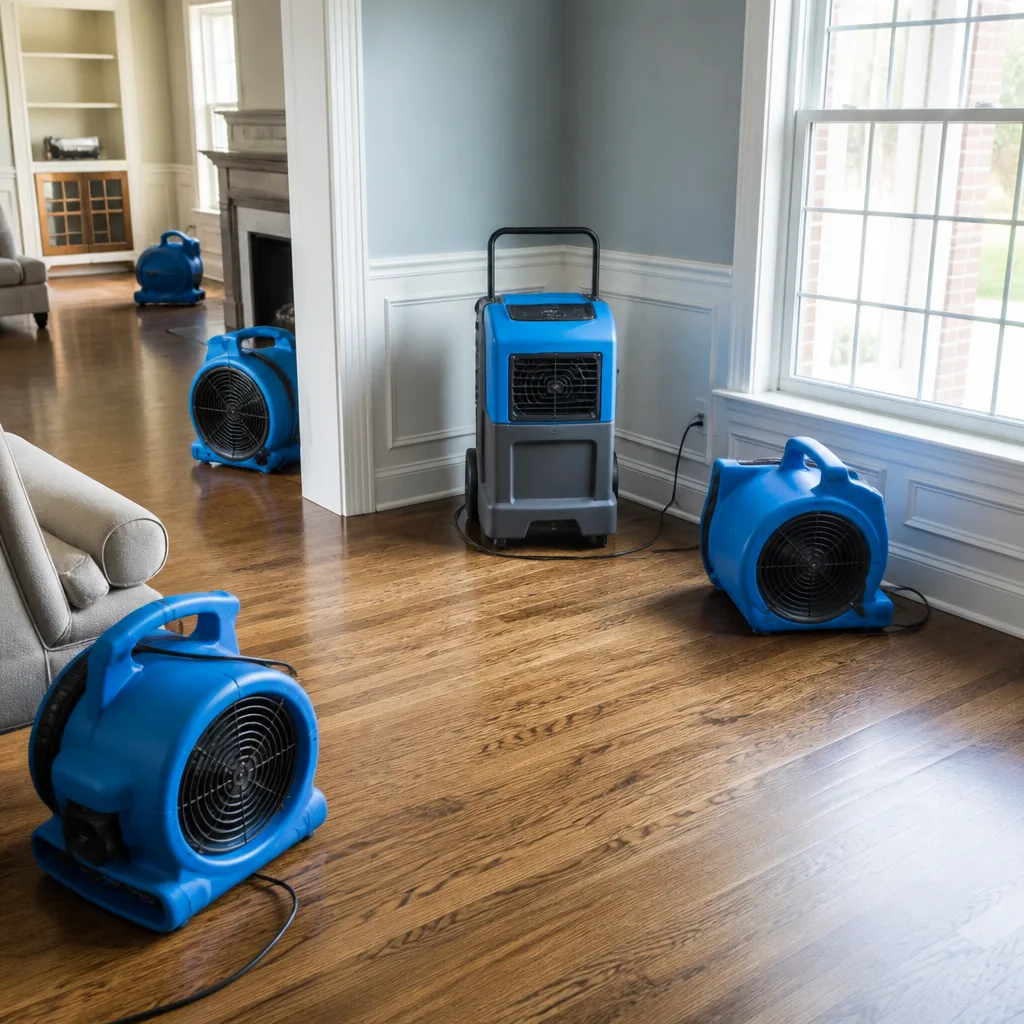 Water damage drying
 Fire & smoke cleanup
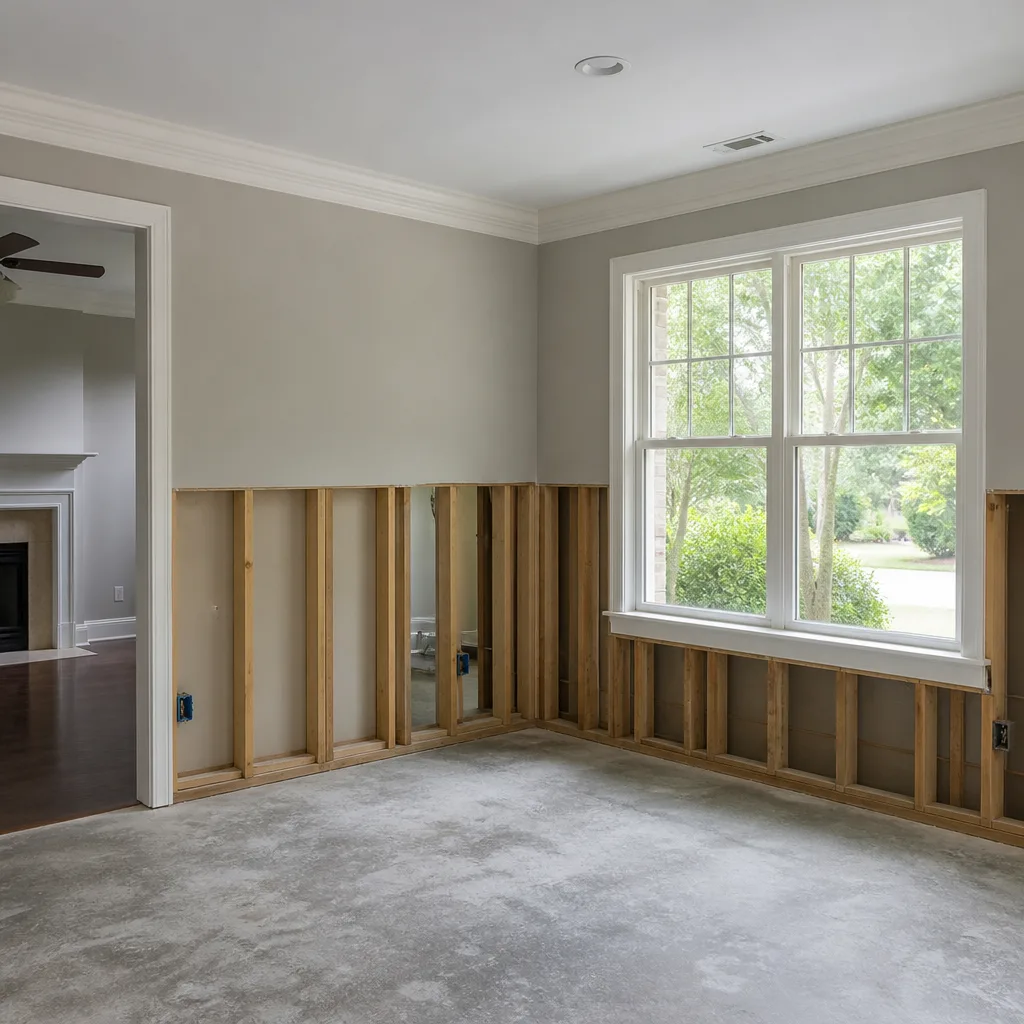 Mold remediation
 Storm response
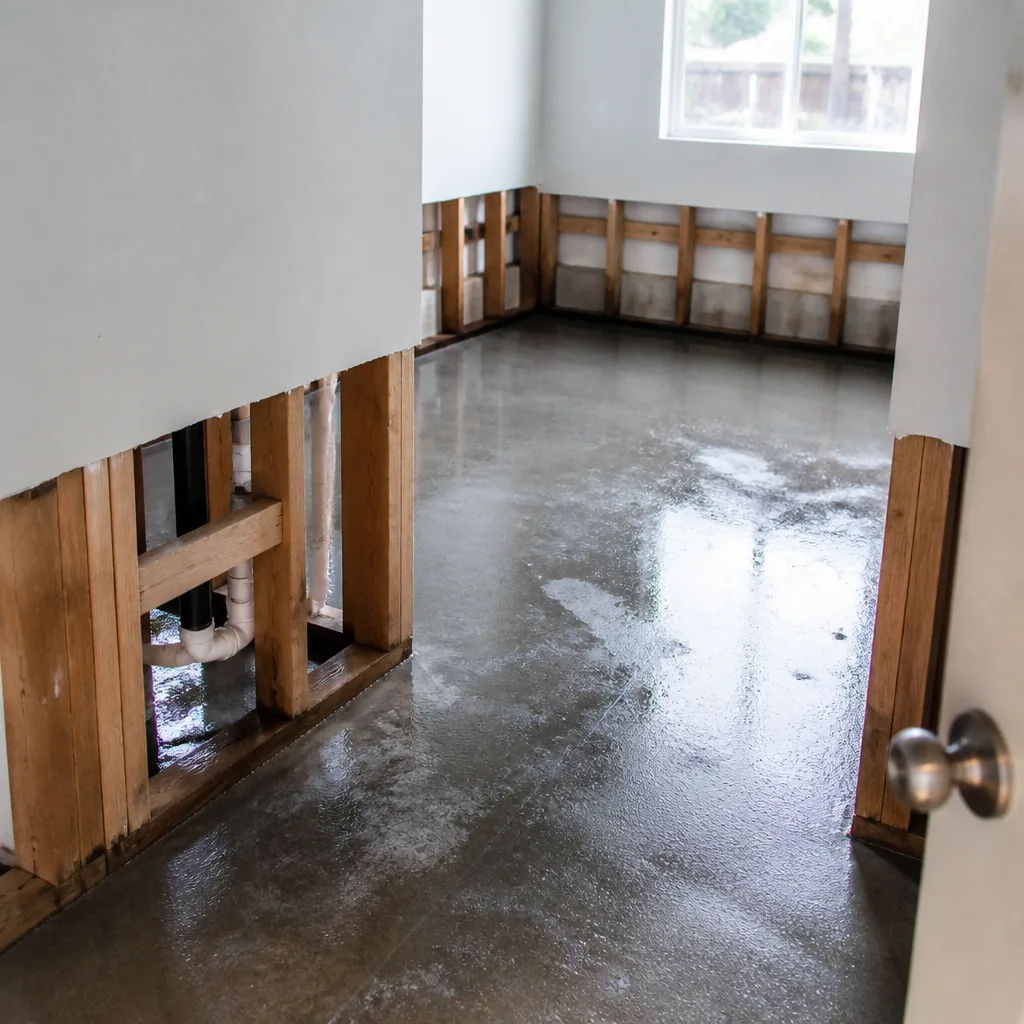 Sewage cleanup
 Reconstruction
Free visual inspection and a written scope of work before any mitigation begins - photos, moisture readings, and drying logs go in your claim file
The scope we write is the scope we bill. Anything new gets shown to you, in writing, before we touch it.
Get your free estimateDamage Restoration Permits, Codes & Inspections in FL: What You Need to Know
Here’s a counterintuitive fact about Fort Lauderdale real estate: a homeowner who replaces flood-damaged drywall without a permit often passes a visual home inspection with flying colors, then fails the title search six months later when they try to sell. Lenders and insurance underwriters increasingly cross-reference Broward County permit records against property disclosure statements, and unpermitted restoration work is now one of the top three reasons residential deals in Fort Lauderdale fall apart before closing. This guide walks you through exactly which restoration scopes trigger permits in Florida and Broward County, what the 50% rule means for your wallet, how inspections actually work, and how to verify your contractor pulled a permit before a single tool comes off the truck. For more guides & resources, see our blog.
Restoration work we handle
Quick Answer
In Florida, damage restoration permits are required whenever the work involves structural repairs, electrical or plumbing exposure, drywall replacement beyond cosmetic patches, or roof decking replacement. Broward County adds its own permitting thresholds on top of the Florida Building Code, and the state’s 50% rule means restoration costs exceeding half your home’s assessed value trigger a mandatory upgrade of the entire structure to current code. Skipping permits risks fines, insurance claim denial, and a failed title search when you sell.
Table of Contents
- When Does Restoration Actually Need a Permit?
- Broward County’s Specific Permit Thresholds
- Florida’s 50% Rule: The Expensive One Nobody Explains
- Certificate of Completion vs. Certificate of Occupancy: What Your Insurance Needs
- How to Verify Your Contractor Pulled a Permit (Before Work Starts)
- Fort Lauderdale Historic Districts: The Extra Review Layer
- What Inspections Look Like During and After Restoration
- What Unpermitted Work Does to Your Insurance
- Common Mistakes to Avoid
- When to Call a Professional
- Frequently Asked Questions
- The Bottom Line
When Does Restoration Actually Need a Permit?
Florida’s building code draws a line between “repair” and “restoration” that surprises most homeowners. Cosmetic repairs, like repainting a water-stained ceiling or replacing baseboards, do not require a permit. Restoration work that touches the building envelope, structural components, or concealed systems almost always does. The trigger isn’t how much damage you can see; it’s what the work exposes. Once you cut into drywall to dry out a wall cavity, you’ve entered permit territory in most Broward County municipalities.
The Florida Building Code (FBC), which became mandatory statewide after Hurricane Andrew’s devastation in 1992 exposed how many homes had been built and repaired to no enforceable standard, requires permits for any work that alters the structure, electrical, plumbing, or mechanical systems. This applies to restoration too. Replacing water-damaged drywall in a bathroom is not the same as patching a hole from a doorknob; the permit process exists because the inspector needs to verify that what’s behind the new drywall, the framing, the insulation, the vapor barrier, was properly dried and treated before being sealed back up.
We regularly see this play out in Fort Lauderdale. A homeowner files an insurance claim after a pipe burst in a second-floor bathroom. The adjuster approves structural drying and drywall replacement in the ceiling below. The homeowner hires a crew that pulls the wet drywall, runs fans for three days, and hangs new board. No permit. Six months later, the homeowner lists the house. The buyer’s lender runs a permit search, finds nothing on file for that bathroom ceiling, and flags the property. The deal stalls while the seller pays a retroactive permit fee plus a double inspection fee, and in some cases, has to open the ceiling back up because the inspector won’t sign off on work they can’t see. That retroactive path costs two to three times what the original permit would have cost.
Here’s a simple rule we give homeowners: if the restoration involves cutting into a wall, ceiling, or floor beyond a small access hole, exposing electrical wiring or plumbing, replacing any structural member, or touching the roof deck, assume you need a permit. When in doubt, call the Broward County Building Code Division. They answer the phone, and they will tell you directly. The call takes five minutes and saves thousands.
Broward County’s Specific Permit Thresholds
Broward County functions as a permitting authority for unincorporated areas and many municipalities within the county, though Fort Lauderdale operates its own building department. The practical result for a Fort Lauderdale homeowner is that you’re dealing with the city’s Building Services Division, not the county office, but the thresholds are nearly identical because both enforce the Florida Building Code with local amendments.
Here’s what triggers a permit in Fort Lauderdale specifically:
- Drywall replacement exceeding 32 square feet (roughly two full sheets). Smaller patches are considered cosmetic repair. Larger areas require a permit because the inspector must verify the wall cavity was properly dried and treated before enclosure.
- Structural drying that requires opening wall cavities. If water intruded behind drywall and the restoration plan involves cutting access holes to dry the framing, that’s a permit-triggering scope in most cases. The permit covers the alteration of concealed space, not the drying itself.
- Electrical panel exposure or replacement. If flood water reached the main electrical panel, or if any wiring was submerged, the repair requires an electrical permit and an inspection by a licensed electrician. This is a hard safety line: water-damaged breakers can fail weeks or months later without warning.
- Roof decking replacement. If a storm lifted shingles and water saturated the roof deck (the plywood or OSB under the shingles), replacing any section of that decking requires a permit. This applies even if you’re only replacing the damaged section, not the whole roof.
- Plumbing repairs beyond fixture replacement. Replacing a supply line under a sink is a repair. Cutting into a wall to replace a section of failed pipe is restoration, and it requires a plumbing permit.
- Mold remediation involving containment and removal of affected materials. If the remediation plan calls for removing drywall, insulation, or other porous materials, the scope crosses into permit territory. Pure surface cleaning with antimicrobial treatment, which is what mold remediation in Fort Lauderdale often involves for minor cases, usually does not.
Here’s the nuance most guides miss: the permit requirement attaches to the replacement of removed materials, not the removal itself. You can tear out water-damaged drywall without a permit. The moment you hang new drywall over that opening, you’ve triggered the permit requirement. We’ve seen homeowners try to game this by removing drywall themselves and then hiring a contractor to “just hang the board.” The inspector sees through that in about five seconds when the permit application lists a scope that doesn’t match the physical evidence.
Fort Lauderdale’s permitting fees for restoration work typically run between $150 and $600 depending on scope, plus inspection fees. A standard drywall replacement permit for a single room usually lands around $250 to $400 total. That’s the cheapest insurance policy you’ll ever buy against a failed home sale.
Florida’s 50% Rule: The Expensive One Nobody Explains
The 50% rule is the single most misunderstood part of Florida restoration law, and it’s the one that produces the most expensive surprises. Here’s how it works in plain terms: if the cost of restoring a damaged structure exceeds 50% of the structure’s assessed value (not including the land), the entire structure must be brought up to current Florida Building Code requirements. Not just the damaged room. The whole house.
This rule originated in FEMA’s National Flood Insurance Program requirements and was adopted into Florida law to prevent communities from repeatedly rebuilding substandard structures in flood zones. In practice, it means a Fort Lauderdale home built in 1985 with a assessed structure value of $180,000 that sustains $95,000 in flood damage crosses the 50% threshold. The homeowner can’t just repair the flooded rooms. They must upgrade the entire structure to current code, which in South Florida typically means:
- Impact-resistant windows or shutters on every opening
- Updated electrical system including GFCI protection in all wet areas
- Elevation if the structure is in a Special Flood Hazard Area and the damage exceeds 50%
- Current roof-to-wall connections and wind mitigation features
That upgrade list routinely adds $60,000 to $150,000 to the project cost beyond the original restoration scope. We’ve walked into homes where homeowners were quoted $40,000 for flood restoration and ended up facing $180,000 because the 50% rule kicked in. The time to calculate this is before you commit to a restoration plan, not after the county appraiser gets involved.
Here’s the calculation method: take the structure’s assessed value from your most recent property tax assessment (the building value only, not the land value). Multiply by 0.5. That’s your threshold. Now add up every dollar of restoration cost, including materials, labor, and any work you’re doing yourself at fair market value. If your number exceeds the threshold, you’re under the 50% rule. Fort Lauderdale’s Building Services Division will help you run this calculation for free before you file a permit. Call them. This is not a conversation you want to have after demo is done.
One important carve-out: the 50% rule applies to substantial damage as defined by FEMA and the Florida Building Code. A roof leak that damages one bedroom ceiling is not substantial damage, even if the repair is extensive. The rule kicks in when the damage is from a covered event, typically flooding from a named storm, and the cost calculation crosses the threshold. Your insurance adjuster, your contractor, and the building department should all be running this calculation independently. If they’re not, that’s a red flag.
Certificate of Completion vs. Certificate of Occupancy: What Your Insurance Needs
After restoration work passes its final inspection, you’ll receive a certificate of completion, not a certificate of occupancy. The distinction matters for insurance paperwork, and confusing the two is a common source of claim delay.
A certificate of completion is issued when permitted work passes its final inspection. It documents that the specific scope of work described in the permit application was completed according to code. For restoration work, this is what you need to close out a building permit. Your insurance company wants this document to confirm that the restoration was done properly and to close the claim file.
A certificate of occupancy, by contrast, applies to new construction or changes in building use. It certifies that an entire structure or unit is safe to occupy. Restoration work on an existing single-family home almost never requires a certificate of occupancy because the occupancy classification doesn’t change. You’re repairing a house to its prior condition, not creating a new use.
Here’s where it matters with insurance: after a major restoration, your adjuster may ask for a “certificate of occupancy” out of habit. What they actually need is the certificate of completion from the final inspection plus, in some cases, a letter from the contractor confirming the scope matches the original damage assessment. If your contractor tells you the city will issue a certificate of occupancy for interior water damage restoration, that’s incorrect, and you should ask pointed questions about their familiarity with Broward County’s process.
Keep both the permit and the certificate of completion in your permanent records. When you sell, the buyer’s lender will ask for them. If you file a future insurance claim, your insurer will check that prior documented restoration work was properly permitted and closed out. A missing certificate of completion is a signal to underwriters that work may have been done without permits, and that’s a signal you don’t want on your property record.
How to Verify Your Contractor Pulled a Permit (Before Work Starts)
This is the step most homeowners skip, and it’s the step that separates a straightforward restoration from a six-month nightmare. Fort Lauderdale’s Building Services Division maintains an online permit portal where you can search by address. Before any restoration work begins on your home, pull up the portal and verify that a permit has been issued for your property. The time to do this is before work starts, not after. Once the work is done and the contractor has your check, your leverage evaporates.
Here’s the process, step by step:
- Go to the Fort Lauderdale Building Services online permit portal.
- Enter your property address in the permit search field.
- Look for an active permit with a scope description matching the restoration work you discussed.
- Verify the contractor named on the permit is the contractor actually doing the work. Subcontracting without updating the permit is common and legally problematic.
- Note the permit number. You’ll reference it on insurance paperwork and future property disclosures.
- If no permit appears and the contractor told you they “handle all that,” call the Building Services Division at their published number and ask directly whether a permit has been applied for at your address.
In our experience in Fort Lauderdale, a legitimate restoration contractor pulls the permit within 48 hours of you signing the work authorization. If a week goes by and no permit exists, that’s a hard stop. Do not let demo start. The story we hear most often is: “They said they’d pull it after they saw what was behind the walls.” That’s not how permitting works. The permit application describes the scope before work starts, and the inspector verifies the work matches the scope after it’s done. A contractor who wants to start cutting before permitting is a contractor who doesn’t intend to permit at all.
Also verify that the permit fee has actually been paid. An open permit application with an unpaid fee is not a permit. The portal will show the status. If the status is “applied” or “pending” rather than “issued,” work should not have started. This distinction matters because some contractors file the application to look legitimate, start work, and then never pay the fee or schedule the inspection. The permit dies on the vine, and you’re left with unpermitted work you paid for.
Fort Lauderdale Historic Districts: The Extra Review Layer
If your home sits in one of Fort Lauderdale’s designated historic districts, like Sailboat Bend or Rio Vista, restoration work carries an additional review layer that most homeowners discover only after their permit application stalls. Even interior water damage restoration can require Historic Preservation Board review if the work touches any character-defining feature of the structure.
Here’s how this works in practice. A homeowner in Rio Vista files for a permit to replace water-damaged drywall in a 1930s bungalow. The permit application includes replacement of original wood window trim that was damaged by the leak. The Building Services Division routes the application to the city’s Historic Preservation program. A preservation officer reviews the scope and determines that the window trim is character-defining, which means the replacement must match the original in material, profile, and finish. The permit is conditioned on that requirement. That’s a minor example, but the principle applies broadly: in a historic district, you’re not just restoring a house, you’re restoring a documented historic resource.
The review also applies to exterior work that restoration often triggers. If water damage requires replacing a section of original wood siding, the preservation review will specify materials, and in some cases, require sourcing from specialty suppliers rather than big-box stores. Costs go up. Timelines stretch. And the contractor needs to know the process, because a contractor who’s never worked in a Fort Lauderdale historic district will submit a permit application that bounces back for preservation review, and every bounce adds two to three weeks to your restoration timeline.
Ask your contractor one question before signing: “Have you done permitted work in Sailboat Bend or Rio Vista?” If the answer is no, and you’re in one of those districts, consider a contractor who has. The preservation review is not a bureaucratic formality; it’s a legally enforceable condition on your permit, and getting it wrong can result in a stop-work order and a requirement to redo completed work at your expense. The Fort Lauderdale Historic Preservation Board meets on a regular schedule, and some reviews must go before the full board rather than receiving staff-level approval. That meeting cycle is unforgiving when you’re living in a house with open walls.
What Inspections Look Like During and After Restoration
Restoration inspections follow a predictable sequence, and knowing the sequence helps you avoid the most common scheduling mistake: closing up walls before the inspector has seen what’s behind them. Here’s how it typically flows in Fort Lauderdale:
- Pre-demolition inspection (sometimes required). For larger restoration scopes, the building department may want to document the damage before demo begins. This protects you too: the official record establishes the pre-existing condition.
- Rough-in inspection. This happens after damaged materials are removed and before new drywall is hung. The inspector verifies that framing is sound, that electrical and plumbing repairs are correct, and that any required drying has been completed. This is the inspection you can’t skip. If you hang drywall before the rough-in inspection, the inspector will require you to open it back up.
- Final inspection. After new drywall, trim, paint, and fixtures are installed, the final inspection verifies the completed work matches the permitted scope. This is the inspection that closes the permit and triggers the certificate of completion.
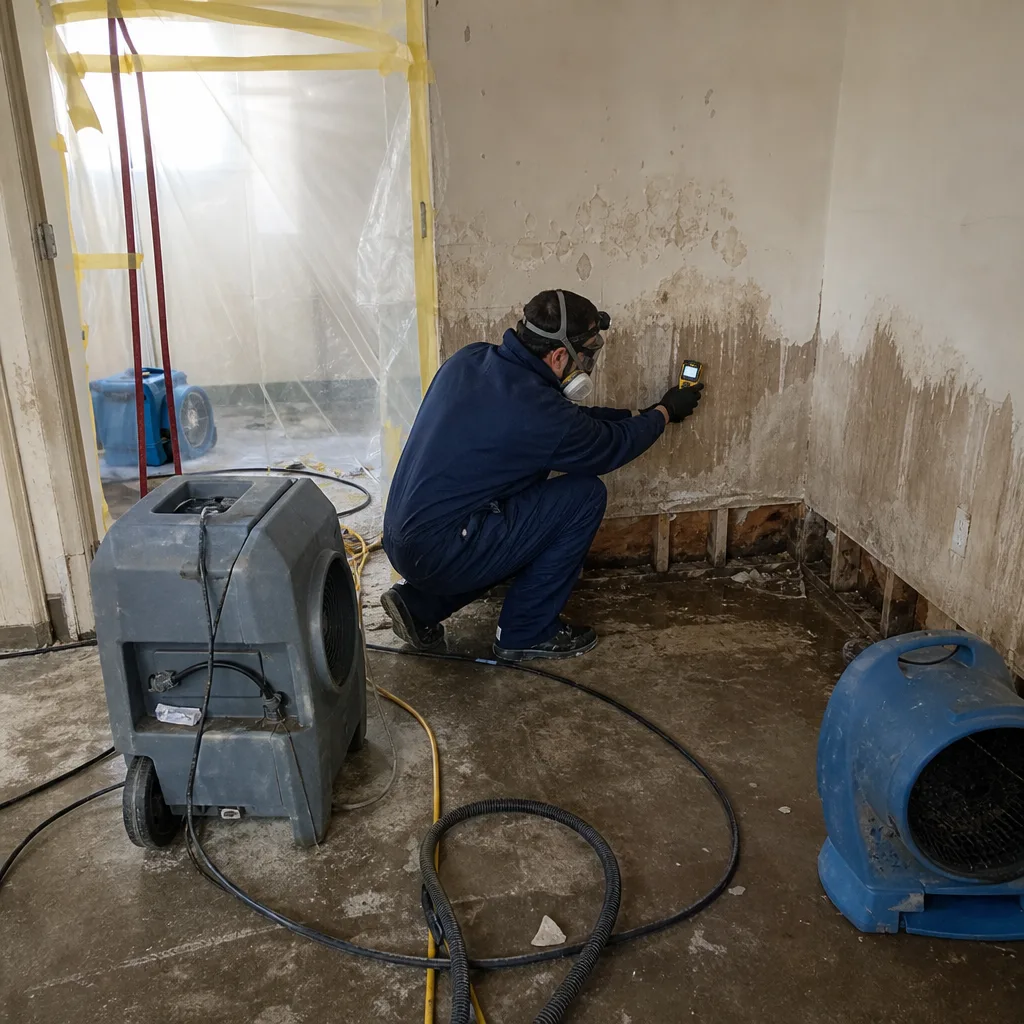
In Fort Lauderdale’s humid climate, the rough-in inspection carries extra weight. The inspector is looking for evidence that the wall cavity was properly dried before enclosure. If moisture readings at the time of inspection suggest the framing is still wet, or if there’s visible mold growth, the inspector can fail the inspection and require reopening. This is where professional restoration protocol matters. Our crews run Dri-Eaz and Phoenix drying equipment with psychrometric monitoring, which is the air’s moisture level tracked over time, until the numbers show the structure is truly dry, not just surface-dry. That documented drying log is what the inspector wants to see at rough-in. If your contractor can’t produce moisture readings from during the drying process, expect a rough-in failure and a delay.
After the final inspection passes, the inspector signs off and the permit closes. You’ll receive the certificate of completion, typically available for download from the same online portal you used to verify the permit. Download it, save it, and send a copy to your insurance company if the restoration was part of a claim. This document is your proof that the work was done to code, and it’s the first thing a buyer’s title company will request when you sell.
What Unpermitted Work Does to Your Insurance
This is the section that matters most to your wallet, and it’s the one most restoration guides gloss over. Unpermitted restoration work can void your homeowner’s insurance coverage in two distinct ways, and both of them play out after you think the hard part is over.
First, the current-claim problem. Your insurance policy requires that you take reasonable steps to mitigate damage and that repairs be completed to code. If you skip permits on restoration work and then file a subsequent claim, your insurer can argue that the prior unpermitted work contributed to the new damage, which gives them grounds to deny coverage. We’ve seen this exact scenario: a homeowner skips a permit on a water damage repair, then a year later, a second leak causes mold growth in the same wall. The insurer’s adjuster pulls the property record, finds no permit for the prior repair, and denies the mold claim on the basis that the prior work wasn’t verified to code. The homeowner is left paying out of pocket for a claim that would have been covered if the original work had been permitted.
Second, the claims-history problem. Insurance companies increasingly run permit searches as part of underwriting when you renew or when you file a claim. A property with a history of damage but no corresponding permits on file is flagged as higher risk. Your renewal may include a premium increase, or in severe cases, a non-renewal notice. In Fort Lauderdale’s flood-prone market, underwriters are particularly aggressive about this. Documented, permitted restoration work with a closed permit and certificate of completion actually helps you: it tells the insurer that the issues were addressed properly and inspected by the city.
The safe play is simple: if the work triggers a permit, pull the permit. It costs a few hundred dollars, adds a week or two to the timeline, and protects you across every future transaction involving your home, insurance, selling, refinancing, even renting it out. Unpermitted restoration work is a liability that compounds over time, and it surfaces at the worst possible moment: when you’re trying to sell, when you’ve filed a claim, or when an inspector shows up because a neighbor complained.
Common Mistakes to Avoid
- Letting demo start before the permit is issued. We covered this, but it bears repeating: an application is not a permit. If the permit status isn’t “issued,” no work should start. Once demo begins, you’ve created unpermitted work that retroactive permitting may not fully resolve.
- Treating all drywall replacement as cosmetic. The 32-square-foot threshold in Broward County means anything beyond two sheets is permit-required work. A water-damaged bedroom with four walls of wet drywall is not a patch job, no matter what the crew tells you.
- Closing up walls before the rough-in inspection. This is the most expensive scheduling mistake in restoration. The inspector legally cannot sign off on work they can’t see. If you hang drywall before rough-in, you’ll open it back up at your own cost.
- Ignoring the 50% rule until it’s too late. Run the calculation before you finalize your restoration plan. If you’re anywhere near the threshold, get a written opinion from the building department before demo. Discovering the 50% rule mid-project is the single most common cause of restoration abandonment in Fort Lauderdale, where homeowners walk away from houses they can’t afford to bring up to code.
- Assuming a certificate of occupancy is required. For interior restoration of an existing home, a certificate of completion is the document you need. Asking the city for a certificate of occupancy will confuse the process and stall your insurance paperwork.
- Working with a contractor who’s never pulled a permit in Fort Lauderdale. The city’s process, particularly around historic district reviews and flood zone requirements, is specific. A contractor unfamiliar with the local process will cost you weeks and may end up requiring you to redo work that failed inspection.
When to Call a Professional
If your restoration scope involves any of the permit triggers we’ve covered, a licensed contractor who understands Fort Lauderdale’s process is not optional. The permit application, the rough-in inspection, the moisture documentation, the historic district review if applicable, these are processes where mistakes on your first try become expensive on your second. If water damage has affected more than one room, if your electrical panel was exposed to water, or if you’re anywhere near the 50% rule threshold, do not attempt this as a DIY project or with a handyman. The permit process exists to protect you, and a professional restoration company navigates it as a matter of routine. At Wendell Restoration Fort Lauderdale, we prepare the permit paperwork, schedule the inspections, and document the drying process so the rough-in inspection passes cleanly. Our customers get their restoration work done under IICRC, RIA, and IFA standards using professional drying equipment from Dri-Eaz, Phoenix, and XPOWER, with the permit closed and the certificate of completion delivered before we consider the job done. If you’re facing water damage restoration in Fort Lauderdale and want the permit process handled correctly, call us at (754) 354-1463 for a free estimate. If you need water damage repair in Fort Lauderdale with a permit-ready scope of work in writing before anything starts, that’s exactly what we deliver.
Frequently Asked Questions
Yes, if the replacement exceeds 32 square feet (about two full sheets of drywall). Smaller patches are considered cosmetic repair and don’t require a permit. Larger replacements require a permit so the city can inspect the wall cavity before it’s closed up. Call (754) 354-1463 if you want help determining whether your scope crosses the threshold.
The 50% rule requires that if restoration costs exceed 50% of your structure’s assessed building value (not including land), the entire structure must be brought up to current Florida Building Code. This often means impact windows, electrical upgrades, and possibly elevation in flood zones. Run the calculation before you finalize your restoration scope to avoid a six-figure surprise.
Your insurance policy requires that repairs be completed to code, which in practice means permitted when the scope triggers it. The adjuster may not ask for the permit at claim time, but a future claim or a future home sale can be denied or complicated by missing permits. Pull the permit and keep the certificate of completion on file.
Standard restoration permits in Fort Lauderdale typically take one to two weeks from application to issuance, assuming the scope is straightforward and no historic district review is required. Larger scopes, flood damage, or properties in districts like Sailboat Bend or Rio Vista add review time. Call us at (754) 354-1463 and we’ll give you an honest timeline for your specific property.
You can sell it, but the transaction may stall or fail when the buyer’s lender or title company finds unpermitted work during the permit search. You’ll likely need to pay for a retroactive permit, open up completed work for inspection, and possibly discount the sale price. The retroactive process always costs more than the original permit would have.
Yes, homes in Fort Lauderdale’s historic districts, including Sailboat Bend and Rio Vista, may require Historic Preservation Board review even for interior restoration if the work touches character-defining features like original trim, floors, or windows. The review adds time and may require matching materials. A contractor experienced with these districts can guide you through the process.
The Bottom Line
Florida’s post-Andrew building code is serious about permits because it was built to prevent the kind of shoddy, unpermitted repair work that magnified hurricane damage for decades. In Fort Lauderdale, where flood risk, strict code enforcement, and aggressive insurance underwriting all intersect, the permit is not red tape. It’s the document that proves your restoration work was done right, protects your insurance coverage, and keeps your home sale from falling apart years later. If your scope triggers a permit, pull it. Verify it’s issued before work starts. Keep the certificate of completion forever. And if the process feels overwhelming, call a professional who navigates it every day. Wendell Restoration Fort Lauderdale provides mold remediation in Fort Lauderdale and full-service water damage restoration with permits handled, inspections scheduled, and a written price before any work starts. Call (754) 354-1463 for a free estimate.
Written by Blake Sorensen, Owner at Wendell Restoration Fort Lauderdale, serving Fort Lauderdale since 2006.
See the difference
 Before
 After
After Before
 After
After Before
 After
After