
Last updated October 16, 2026
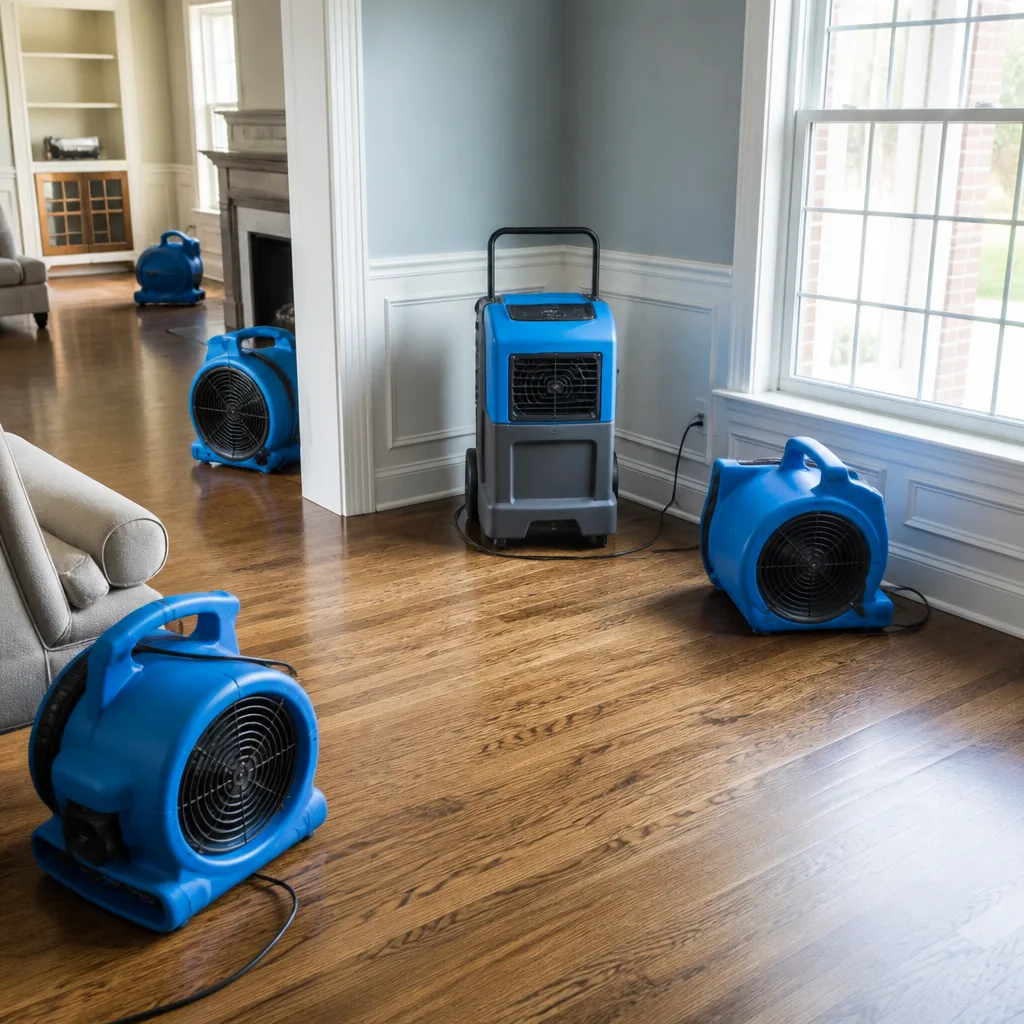 Water damage drying
 Fire & smoke cleanup
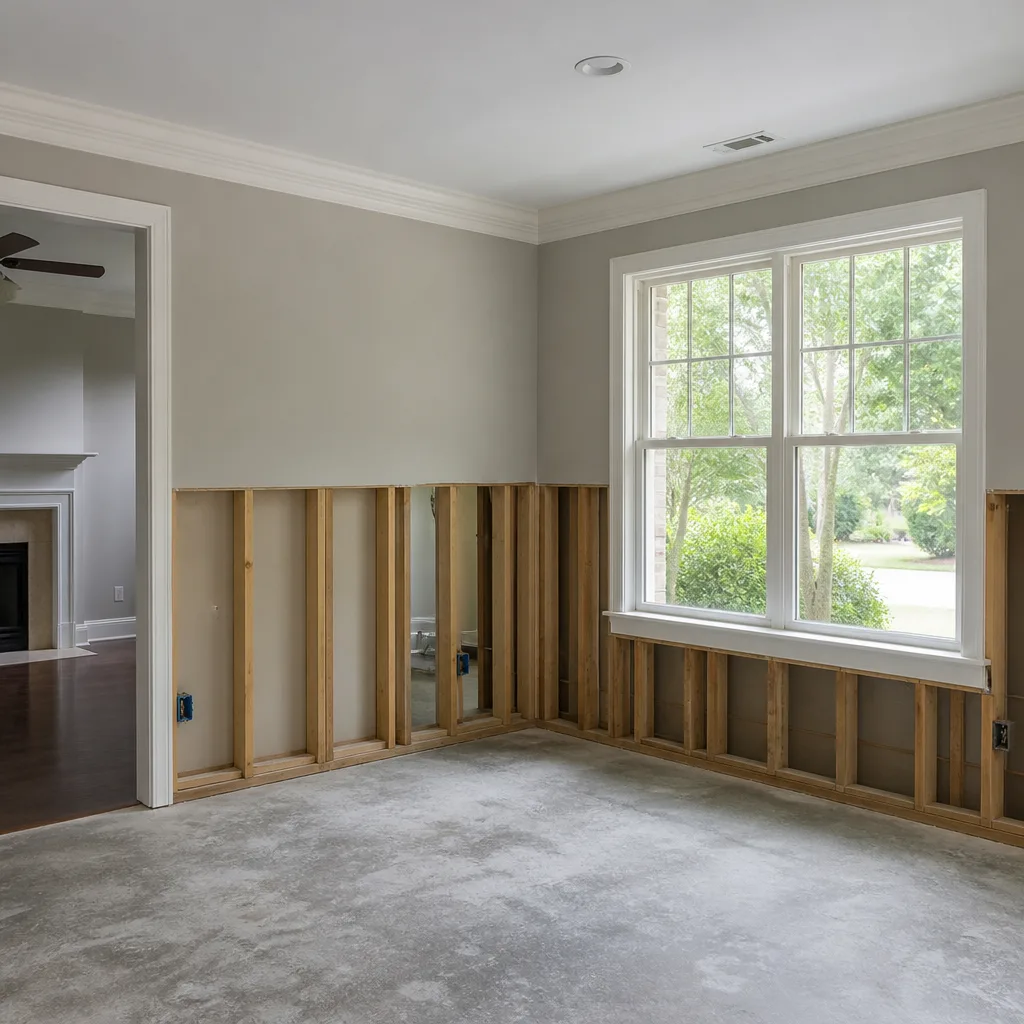 Mold remediation
 Storm response
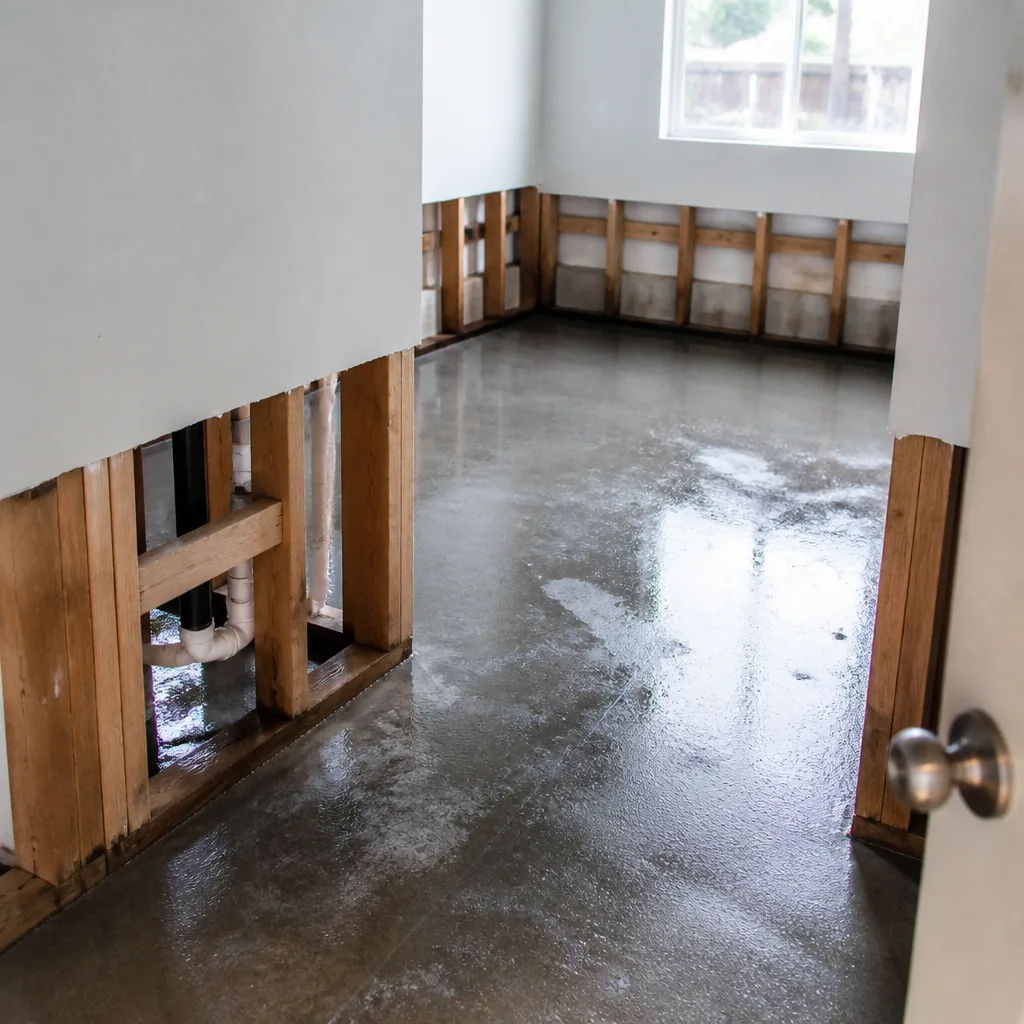 Sewage cleanup
 Reconstruction
Free visual inspection and a written scope of work before any mitigation begins - photos, moisture readings, and drying logs go in your claim file
The scope we write is the scope we bill. Anything new gets shown to you, in writing, before we touch it.
Get your free estimateDamage Restoration Warning Signs: A Fort Lauderdale Homeowner’s Reference Guide
Efflorescence, those white chalky deposits creeping across your concrete block walls, is not a cosmetic blemish. It’s mineral salts being pushed out by water moving through your wall assembly, and in Fort Lauderdale’s heat and humidity, it reliably predicts mold colonization inside the wall cavity within 30 to 90 days. This guide walks you through the warning signs most often dismissed as “normal Florida living,” explains what each one actually signals about moisture intrusion, and gives you a clear triage system for deciding whether to monitor, schedule a visit, or call someone right now. We’ve written it as a reference you can return to seasonally, because Fort Lauderdale homes face moisture pressure year-round, not just during hurricane season-see our Seasonal Damage Restoration Care for Fort Lauderdale: Year-Round Homeowner’s Guide for more.
Quick Answer
The most common water damage warning signs in a Fort Lauderdale home are efflorescence on block walls, cupping or buckling floors, rust stains at baseboard screws, peeling popcorn ceilings, dark grout lines, and a persistent musty smell that doesn’t clear with ventilation. Any of these signals active moisture movement behind a surface, not just humidity in the air, and they should be investigated before mold takes hold or framing begins to rot.
Restoration work we handle
Table of Contents
- Efflorescence on Block Walls: The Mineral Trail
- Cupping Hardwood Floors: When Wood Drinks
- Rust Stains at Baseboard Screws: Leaks You Can’t See
- Peeling Popcorn Ceilings: Water From Above
- Dark Grout Lines: The Shower Pan Conversation
- Condensation vs. Intrusion: Two Completely Different Problems
- Fort Lauderdale CBS Construction: Stucco, Tile, and Rust Ghosting
- Severity Triage: Green, Yellow, Red
Efflorescence on Block Walls: The Mineral Trail
Efflorescence looks like someone dusted your wall with powdered sugar. It’s white, chalky, and wipes off easily, which is exactly why so many Fort Lauderdale homeowners ignore it for months. But that powder is calcium carbonate and other mineral salts dissolved out of your concrete block or mortar by water, then deposited on the surface as the water evaporates. Water doesn’t just sit still inside a block wall. It moves, and it leaves a record.
The sequence works like this. Rain drives against an exterior stucco crack or a failed window seal, water enters the block cavity, and capillary action pulls it through the porous concrete. As the water reaches the interior surface and evaporates in your air-conditioned space, it drops its mineral load. The visible powder is the residue of a process that has been running for weeks or months already.
How to Read Efflorescence
- Fine, uniform powder across a large area usually means slow, diffuse moisture movement through wall material, often from high exterior humidity and a missing or damaged vapor barrier.
- Crystalline, sparkly deposits concentrated in vertical streaks indicate repeated wetting and drying cycles, typically from a specific leak above the deposit.
- Recurring after cleaning means the moisture source is still active. Efflorescence does not return if the wall is dry.
In our experience, Fort Lauderdale homes built before 1990 often lack the exterior moisture barriers required by current Florida Building Code, which makes efflorescence more common in older neighborhoods like Victoria Park, Sailboat Bend, and Riverside Park. The fix is not sealing the interior surface, which traps water inside the block and accelerates deterioration. The fix is finding and eliminating the water source on the exterior. If you’re seeing efflorescence inside a closet or behind furniture, the wall cavity there has been wet for a while. Triage that as serious.
Cupping Hardwood Floors: When Wood Drinks
Cupping is what happens when the bottom of a hardwood board absorbs more moisture than the top. The board’s edges rise, creating a rippled surface you can feel under bare feet before you can see it. In Fort Lauderdale, this gets blamed on humidity constantly, and sometimes that’s fair. But cupping that appears in one room, or along one wall, or forms a defined pattern tells a different story.
Wood is hygroscopic, meaning it absorbs water vapor from the air and liquid water from contact. A board’s moisture content rises from below when the subfloor is wet, and that imbalance forces the classic cup shape. If the entire floor cups uniformly across a wide area, you may have a whole-house humidity problem. If the cupping is localized, you have a leak, and that leak is underneath your floor.
Where to Look First
- Sliding glass door tracks. Fort Lauderdale’s afternoon thunderstorms push water horizontally into door tracks, and failed track drains send it under the adjacent flooring.
- Dishwasher and refrigerator supply lines. A slow drip behind a kitchen appliance migrates under flooring and shows up as cupping ten feet away from the source.
- AC condensate lines. Clogged condensate drains overflow inside wall cavities and under floors, especially in homes with the air handler in a closet.
- First-floor concrete slab moisture. Older Fort Lauderdale slabs without an intact vapor barrier wick ground moisture into engineered wood and laminate, causing swelling you’ll feel before you see.
Cupping is sometimes reversible if you catch it early and dry the subfloor before wood fibers suffer permanent damage. Once the boards stay cupped after the moisture source is gone, the material has lost its structural memory and the floor will need repair or replacement. Mold grows underneath cupped flooring faster than you’d think, usually within 72 hours of sustained moisture in Fort Lauderdale’s climate. For a deeper dive on what a moisture-damaged floor requires, our Water Damage Restoration in Fort Lauderdale page walks through the process and what pricing looks like.
Rust Stains at Baseboard Screws: Leaks You Can’t See
Here’s a symptom almost no one talks about, but it’s one of the most reliable early indicators we see. If you remove a baseboard in a Fort Lauderdale home and the drywall screws attaching it are rusted, or there are rust-colored streaks running down the drywall from behind the baseboard, you have had water inside that wall cavity. Drywall screws are coated steel. They only rust when the air around them held sustained moisture, which means the wall cavity was wet enough and long enough to cause corrosion.
The reason this matters so much is timing. By the time rust reaches the point where it bleeds through paint, the leak has been active for weeks or months. The studs behind that drywall have been sitting in a moist environment the whole time, and mold is a near-certainty behind the baseboard in Fort Lauderdale’s climate.
Why Baseboard Screws Rust in a Tropical Climate
Fort Lauderdale’s indoor relative humidity runs high even with AC running. Drywall, studs, and insulation all hold a certain amount of moisture from the air alone. Add a small plumbing leak, a roof penetration issue, or exterior water wicking up a block wall, and the localized humidity inside that wall cavity spikes. The steel fastener acts like a moisture indicator, rusting as a direct response to the elevated humidity around it.
Check the baseboards in rooms that share a wall with bathrooms, kitchens, or the water heater closet. If you see rust stains at fastener points or along the bottom of the drywall, do not repaint over it. Find the water source first. Paint over rust buys you three months of not seeing it, then the stain returns and so does the repair bill, now larger.
Peeling Popcorn Ceilings: Water From Above
Popcorn ceiling texture that’s peeling, sagging, or showing tan water stains is a direct signal of water that entered from above the ceiling plane. In Fort Lauderdale two-story homes and condos, that means either a roof leak, a bathroom overflow from the floor above, or a condensate problem from an AC unit in the ceiling or attic.
Popcorn texture is gypsum-based and water-soluble. It loses its bond to the ceiling board when it gets wet, which is why you’ll see it flaking in sheets rather than just discoloring. The water stain expands outward as the drywall underneath absorbs moisture, and the texture lifts at the edges of the wet area first.
What Peel Patterns Tell You
- Peeling starting at an exterior wall most often points to a roof flashing issue at the wall-roof intersection, common in Fort Lauderdale homes with flat roofs or low-slope roofs common to mid-century construction.
- Peeling around ceiling vents suggests an AC condensation problem above the ceiling, often a rusted drain pan in the air handler.
- Isolated peeling in a bathroom ceiling typically indicates a leaking toilet flange or tub overflow from the level above.
Address the water source before removing or repairing texture. Otherwise the new texture will peel within months. And if the ceiling drywall is saturated, mold grows on the back side of that board quickly in Fort Lauderdale’s humidity. Removal and replacement of the affected section is usually the right call, not drying in place.
Dark Grout Lines: The Shower Pan Conversation
Grout that stays dark along the floor-to-wall joint of a shower, or in a straight line running across a bathroom floor, is a boundary marker for trapped moisture. Grout is porous. It darkens when it’s saturated, and it stays dark when water is continuously present underneath it.
The shower pan problem deserves special attention in Fort Lauderdale because so many condos and older homes were built with traditional mortar-bed shower pans. These pans are designed to hold water beneath the tile and slowly release it through weep holes at the drain. When the weep holes clog, which they do over time, water accumulates in the mortar bed and wicks up into the grout and wall tile. The dark grout line you see is the visible edge of a saturated mortar bed that never dries out.
Questions to Ask Yourself Before You Call Anyone
- Does the dark grout line stay dark even after 48 hours of no shower use?
- Is there a persistent musty smell in the bathroom that returns after cleaning?
- Does the tile sound hollow when tapped around the dark grout area?
If you answered yes to any of these, the shower pan assembly is almost certainly holding water. Left unaddressed, the water migrates under the bathroom floor and into adjacent rooms through the wall plates. Mold remediation in Florida bathrooms with failed shower pans is one of the most common large-scope jobs we handle. Our Mold Remediation in Fort Lauderdale page explains what a full remediation involves and how containment works.
Condensation vs. Intrusion: Two Completely Different Problems
One of the most important diagnostic distinctions a Fort Lauderdale homeowner can make is whether water on a surface came from condensation or from intrusion. Condensation is water vapor in the air condensing on a cool surface. Intrusion is liquid water entering the structure from outside or from a plumbing failure. They look similar when you’re staring at a wet spot on the wall, but the solutions are entirely different, and treating one like the other wastes time and money.
Condensation forms when warm, humid air touches a surface cooled below the dew point by AC. In Fort Lauderdale, this shows up most often on supply vents, uninsulated cold water pipes, toilet tanks, and those cold walls behind air-handler closets. The water is clean, is widespread, and responds to dehumidification and insulation.
Intrusion leaves mineral deposits, progresses even when the AC runs, and appears in patterns that trace a source: a vertical streak below a window, a circular stain under a pipe, a spreading stain at a wall-to-floor intersection. The water may be dirty, and the affected area smells different than ordinary mustiness, more earthy and persistent.
Simple Tests Before You Call
- Dry the surface completely, then check it again in 6 hours with the AC running. If water reappears on the surface only when the AC runs, it’s condensing from cold-surface contact.
- Dry the surface, then run water in nearby fixtures. If the spot appears after a shower, a toilet flush, or running the washing machine, it’s plumbing-related intrusion.
- Dry the surface and watch the weather. If the spot appears after heavy rain or a few days of rain, it’s exterior intrusion through the roof, walls, or slab.
These tests cost nothing and take a day. They tell you which direction the problem flows from, and they save you from calling a restoration company to fix a ventilation issue, or from buying a bigger dehumidifier to solve a leak. When the tests point to intrusion, then you call someone who can trace the source and dry the affected materials properly.
Fort Lauderdale CBS Construction: Stucco, Tile, and Rust Ghosting
Fort Lauderdale’s dominant residential construction type is CBS, concrete block and stucco. Most homes built here since the 1960s use concrete block exterior walls finished with stucco, and this construction system has its own set of damage warning signs that frame-built homes don’t show. If you live in a CBS home in neighborhoods like Coral Ridge, Imperial Point, or Croissant Park, these are the signals specific to your walls.
Stucco Delamination
Stucco separates from the block underneath when water gets behind it and breaks the mechanical bond. You can spot early delamination by tapping the stucco with a knuckle or a rubber mallet. Healthy stucco sounds solid and dense. Delaminated stucco has a hollow, drum-like sound. Visual signs include hairline cracks appearing in spiderweb patterns, bubbling or blistering in the finish coat, and small areas of stucco that sound different from the surrounding wall.
In Fort Lauderdale’s climate, failed window sealant and missing or cracked caulk at penetrations are the most common entry points for water that ends up behind stucco. Once water gets in, the delamination grows, and the block wall underneath stays wet for long stretches. That trapped moisture transfers to the interior wall surface as efflorescence and eventually as mold on the back of the drywall.
Hollow Spots Behind Wall Tile
Interior tile over a block wall can delaminate in the same way stucco does. Tap the tile. A hollow sound means the tile bond has failed and there is an air gap, which in a wet wall becomes a moisture gap. Water entering the exterior wall migrates through the block and collects behind the tile, hidden from view. Shower walls and kitchen backsplashes on exterior walls are the highest-risk locations in Fort Lauderdale homes.
Rust Ghosting on Exterior Paint
If you see faint rust-colored streaks or ghost-like outlines appearing through your exterior paint, especially around windows, door frames, or along the bottom of the wall, the steel reinforcement or embedded anchors inside the block are corroding. This is called rust ghosting, and it means water has been inside the wall long enough to reach the steel. By the time ghosting appears, the moisture problem has been active for years, not months. This is a red-tier warning sign for your exterior envelope.
Severity Triage: Green, Yellow, Red
Not every warning sign demands immediate action. Some can be monitored. Some need a professional assessment within the week. And some mean you should call before the day is over because the damage is actively spreading. Here’s the triage system we recommend to Fort Lauderdale homeowners.
Green: Monitor and Document
- Minor surface condensation on windows or supply vents during high-humidity stretches
- Light efflorescence dusting on an interior block wall that has not grown in months and wipes clean easily
- Small hairline cracks in stucco with no bubbling, no hollow sounds, and no interior staining
- A musty smell that clears completely with ventilation and does not return
Green items are not emergencies, but they are worth photographing once a month so you have a record of whether the condition is changing. If any green item worsens over 60 to 90 days, it moves up the list.
Yellow: Call Within the Week
- Efflorescence that reappears within days of cleaning
- Cupping flooring in a defined area that has stopped spreading but is not improving
- Rust stains at baseboard screws in one room
- Dark grout lines in a shower that stay dark after 48 hours of no use
- Peeling popcorn texture in a dry, non-growing water stain
Yellow items are active moisture problems that are not spreading rapidly. The damage is real, but the clock is not running at emergency speed. These conditions will not resolve on their own, and waiting three months significantly increases the repair scope. A professional assessment with moisture meters will tell you how far the water has moved behind the surface.
Red: Call Within the Hour
- Water actively running or dripping from any ceiling, wall, or floor
- Sewage backup or any water you suspect may be contaminated from a toilet or drain backup
- Sudden visible buckling of flooring that appears over a few hours
- A water stain on a ceiling that is growing while you watch
- Any water-related condition accompanied by an electrical smell, buzzing, or sparks
Red items mean water is entering the home right now, not slowly accumulating. The damage is compounding by the hour, and the difference between a response today and a response tomorrow can be measured in thousands of dollars of additional demolition and mold remediation. Do not wait on red items. Call a professional immediately, and if you’re in Fort Lauderdale, you can reach Wendell Restoration Fort Lauderdale home dispatch at (754) 354-1463, where a live person answers around the clock.
Common Mistakes to Avoid
- Treating efflorescence as a surface cleaning issue. Wiping the powder off and sealing the interior wall traps water inside the block, accelerating internal deterioration and guaranteeing mold behind the drywall. The moisture source must be addressed from the exterior or the plumbing side.
- Running fans on a visible water stain without checking what’s behind it. Air movement dries surfaces, but it does not dry wall cavities, under-floor spaces, or the inside of a wet shower pan. The surface looks dry while concealed materials stay wet, which is exactly how you get a mold bloom you didn’t see coming.
- Repainting over stains without resolving the leak. Paint is a visual fix, not a moisture fix. The stain returns, the underlying material keeps degrading, and you’ve added another layer for remediation crews to remove later.
- Ignoring a musty smell that “only happens sometimes.” In Fort Lauderdale, intermittent mustiness tied to rain events or AC cycles is almost always a moisture source that wets and dries repeatedly. The smell is microbial activity, and repeated wetting cycles make the problem worse each time.
- Believing “the AC will dry it out.” Air conditioning removes some humidity from air, but it does not dry saturated drywall, insulation, or wood framing. Once materials are wet, they need directed airflow, heat, and dehumidification to reach acceptable moisture levels, a process called psychrometric drying.
- Assuming concrete can’t be damaged by water. Concrete block is porous and absorbs water readily. Sustained water movement through block weakens mortar joints, corrodes embedded steel, and creates the perfect environment for mold on the interior side. CBS walls are tough, but they are not waterproof.
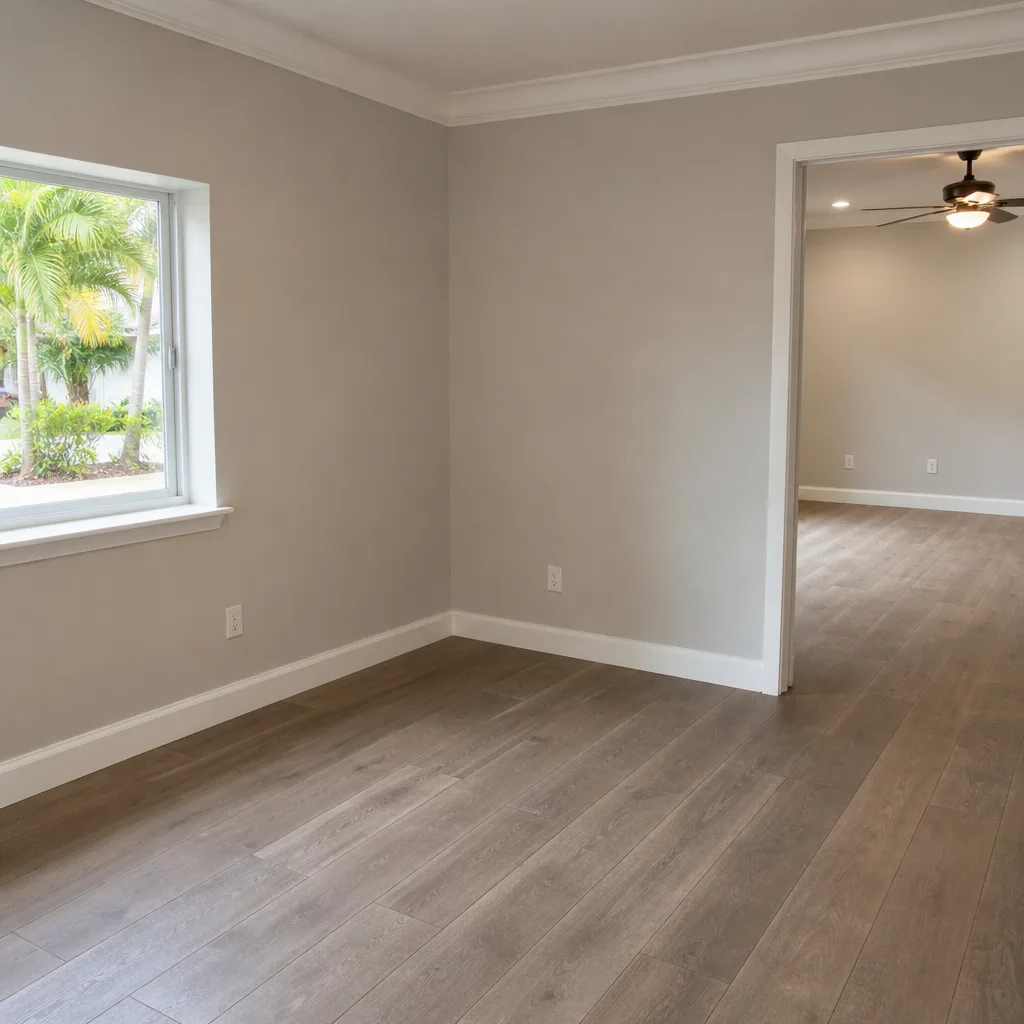
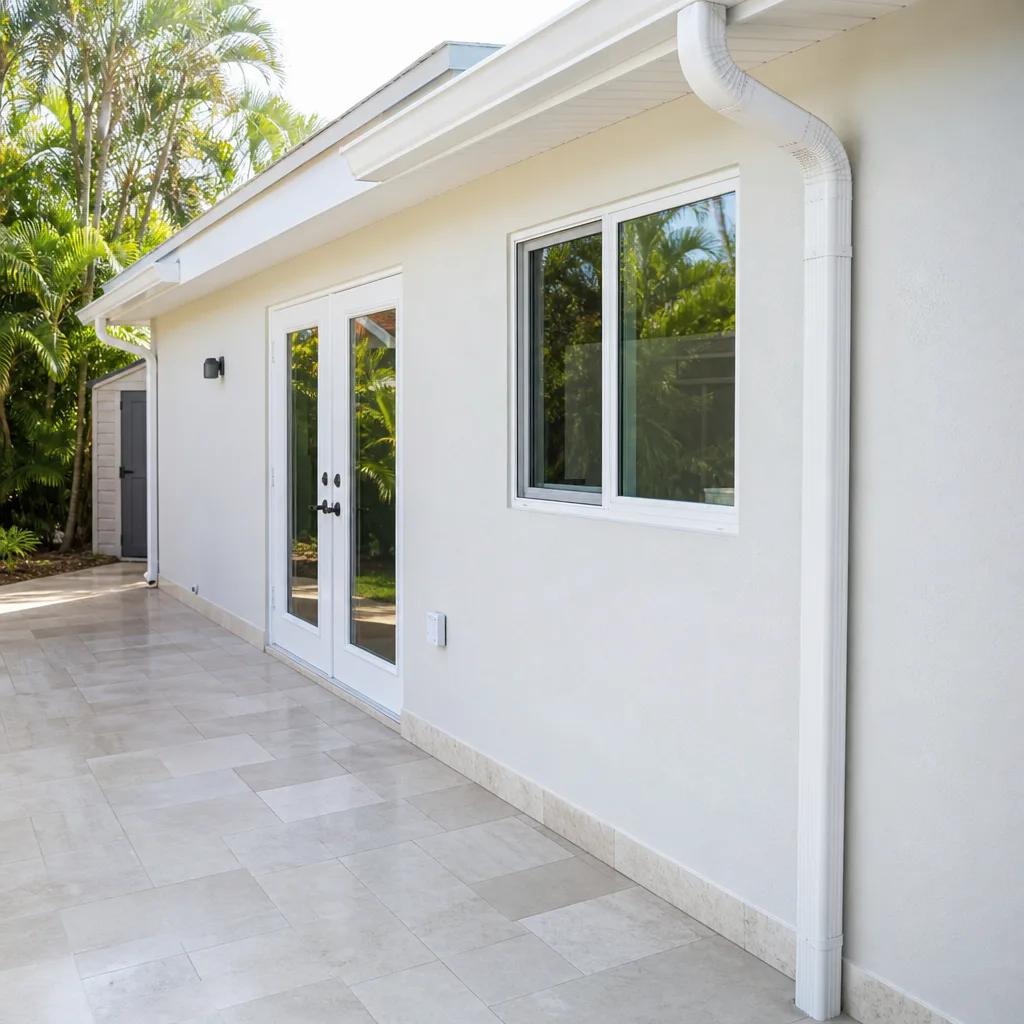
See the difference
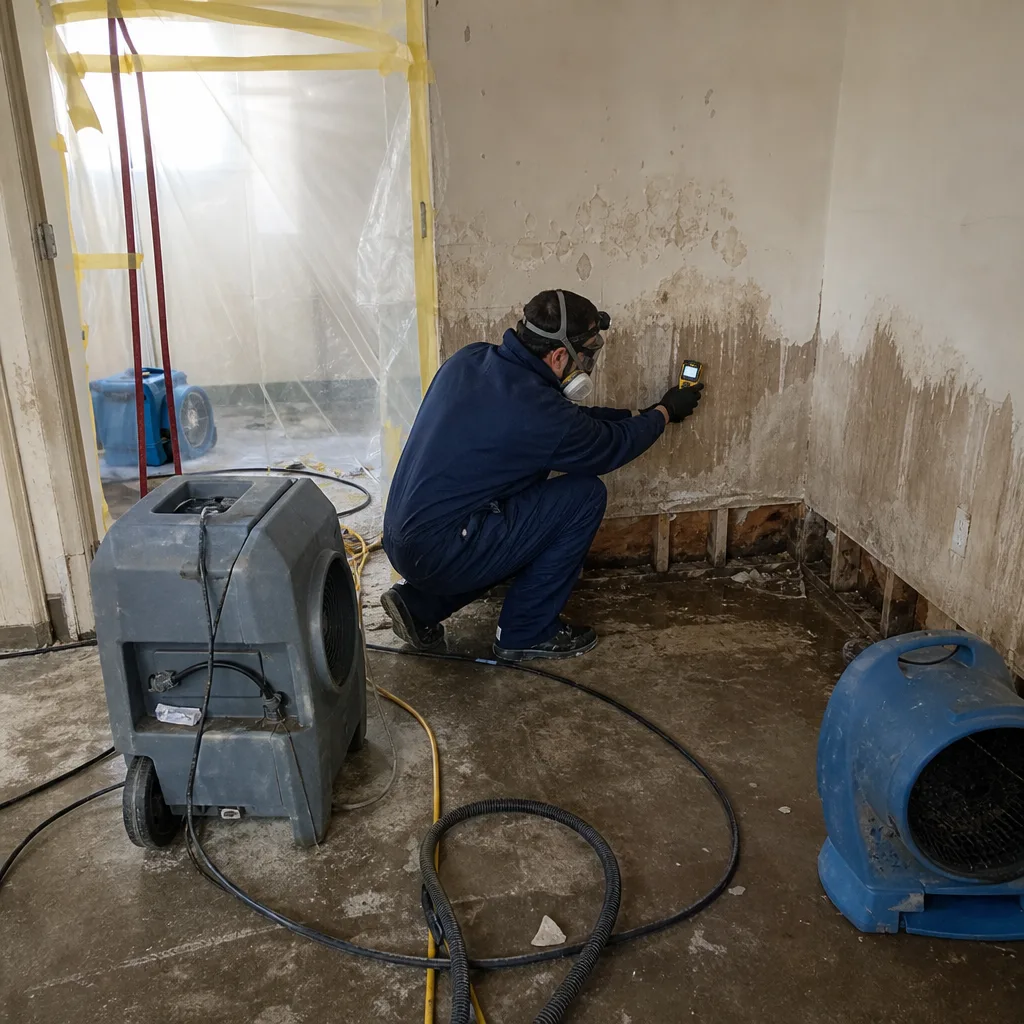 Before
 After
After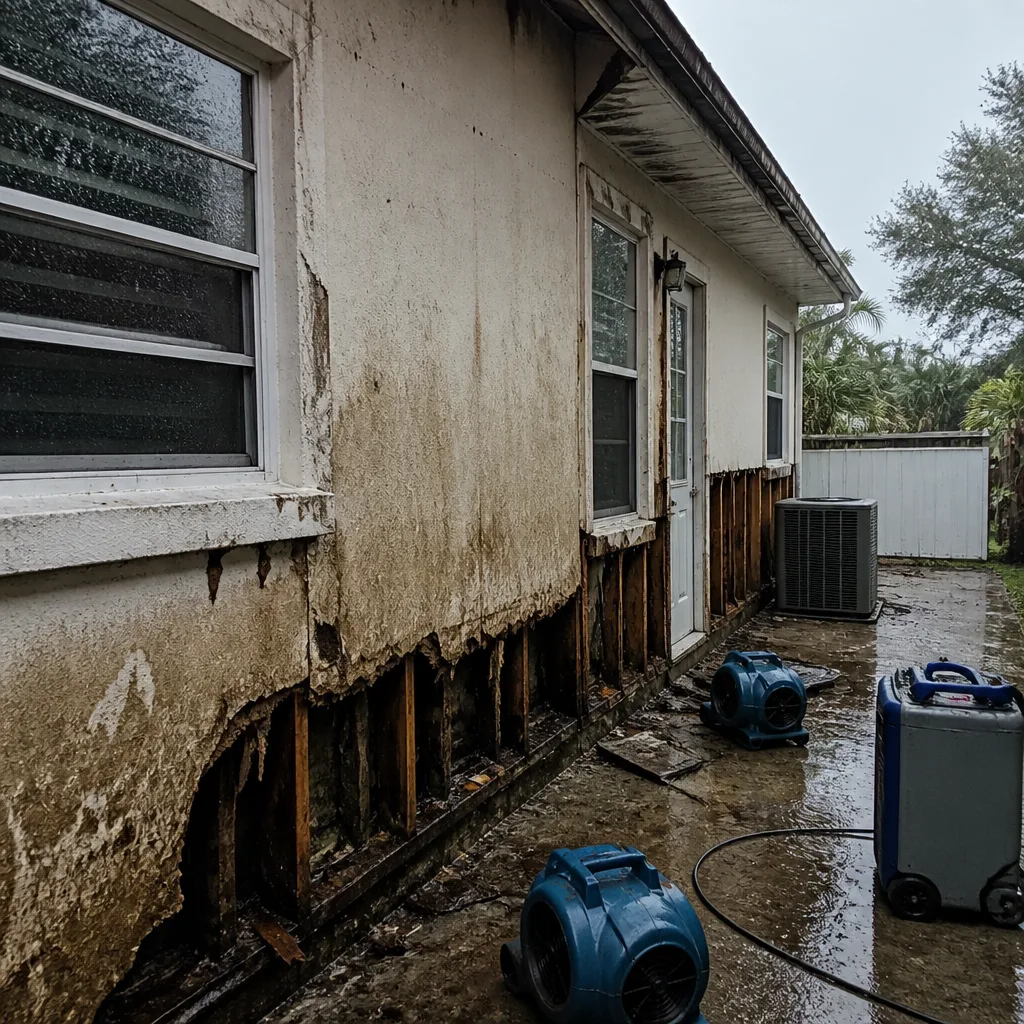 Before
 After
After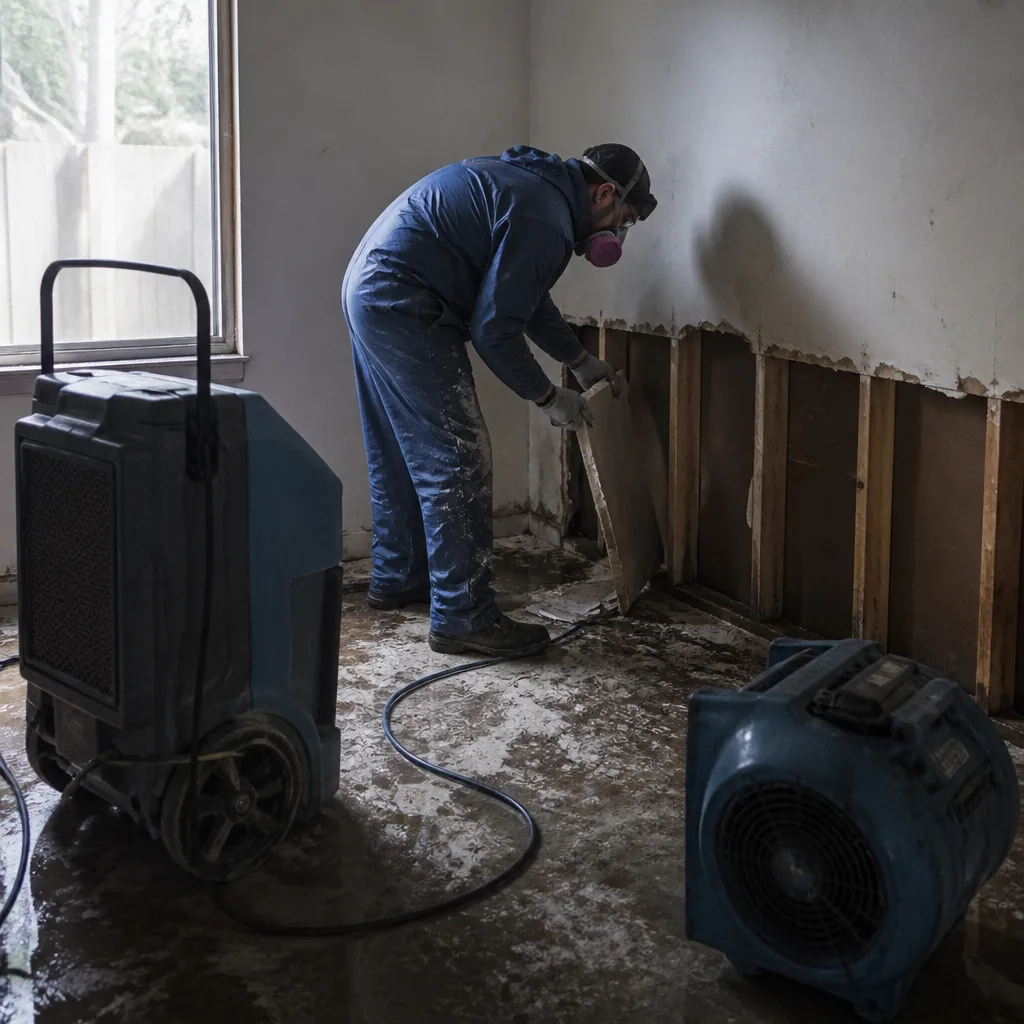 Before
 After
AfterWhen to Call a Professional
Call a professional when the moisture problem is behind a surface you can’t remove yourself, when the water source is not obvious, when the affected area is larger than a few square feet, or when the water involved is from sewage or exterior flooding. Call within the hour for any actively running water, sewage backup, or growing ceiling stain. For anything in the yellow tier, calling within the week prevents a small remediation from becoming a full gut-out. Most homeowners wait too long, not too early, and the cost difference between those two responses in Fort Lauderdale’s climate is substantial. If you’re uncertain what tier your situation falls into, our How to Hire a Damage Restoration Contractor in Fort Lauderdale: A Step-by-Step Guide can help you evaluate who to call and what to ask before you commit to anything.
Water Damage Repair in Fort Lauderdale is available through Wendell Restoration Fort Lauderdale, and we offer free estimates in Fort Lauderdale. Call (754) 354-1463 if you’re seeing any of the warning signs in this guide and want a trained eye on it. A live person answers, not a voicemail tree.
Frequently Asked Questions
Hidden water damage shows up as musty smells that persist after cleaning, rusted baseboard screws, dark grout lines that stay dark, efflorescence on interior block walls, or flooring that cups or buckles in localized patterns. Any of these signals moisture behind a surface, and a moisture meter reading from a trained inspector will confirm how far the water has moved.
A musty smell that clears with ventilation and does not return is often just tropical humidity settling in a closed-up house. A musty smell that persists, returns after cleaning, or spikes after rain or AC cycling is a sign of microbial growth on wet material somewhere in the structure. In Fort Lauderdale’s climate, persistent mustiness is a moisture problem until proven otherwise.
Mold can begin growing on wet drywall, insulation, and wood within 48 to 72 hours in Fort Lauderdale’s heat and humidity. The clock starts the moment materials get wet, not the moment you notice the problem. This is why red-tier conditions deserve immediate response.
Bleach can kill surface mold on non-porous materials, but it does not kill mold growing inside drywall, wood, or insulation, and water-damaged porous materials normally need removal rather than cleaning. Attempting a bleach fix on a porous surface often spreads moisture deeper and makes the remediation more extensive. The underlying moisture source must also be eliminated or the mold returns.
Dark grout that doesn’t lighten after cleaning is saturated from underneath, usually from a failed shower pan weep system or a cracked pan that allows water to accumulate in the mortar bed. The visible grout staining is the top edge of a wet mortar layer, and no amount of surface cleaning fixes the water trapped beneath the tile.
Insurance typically covers sudden and accidental water damage, not gradual deterioration or maintenance issues. If a warning sign has been present for months, carriers may consider the resulting damage to be long-term seepage and deny the claim. Document warning signs early, address them promptly, and photograph everything so you have a clear timeline if coverage becomes a question.
The Bottom Line
Fort Lauderdale’s climate accelerates every water damage problem because heat and humidity keep wet materials from drying on their own. Warning signs that would be minor in a dry climate become mold colonies and rot here within weeks. The signs themselves are readable once you know what you’re looking at: efflorescence traces water movement through block, cupping floors trace leaks underneath, rusted screws trace wall cavity moisture, peeling popcorn traces water from above, and dark grout traces hidden shower pan failure. Learn to read these signals early, triage them honestly, and act faster than feels necessary-our more guides & resources can help you stay ahead of problems. In a tropical climate, the house that gets checked early is the one that avoids the full gut-out.
Written by Blake Sorensen, Owner at Wendell Restoration Fort Lauderdale, serving Fort Lauderdale since 2006.