
Last updated October 16, 2026
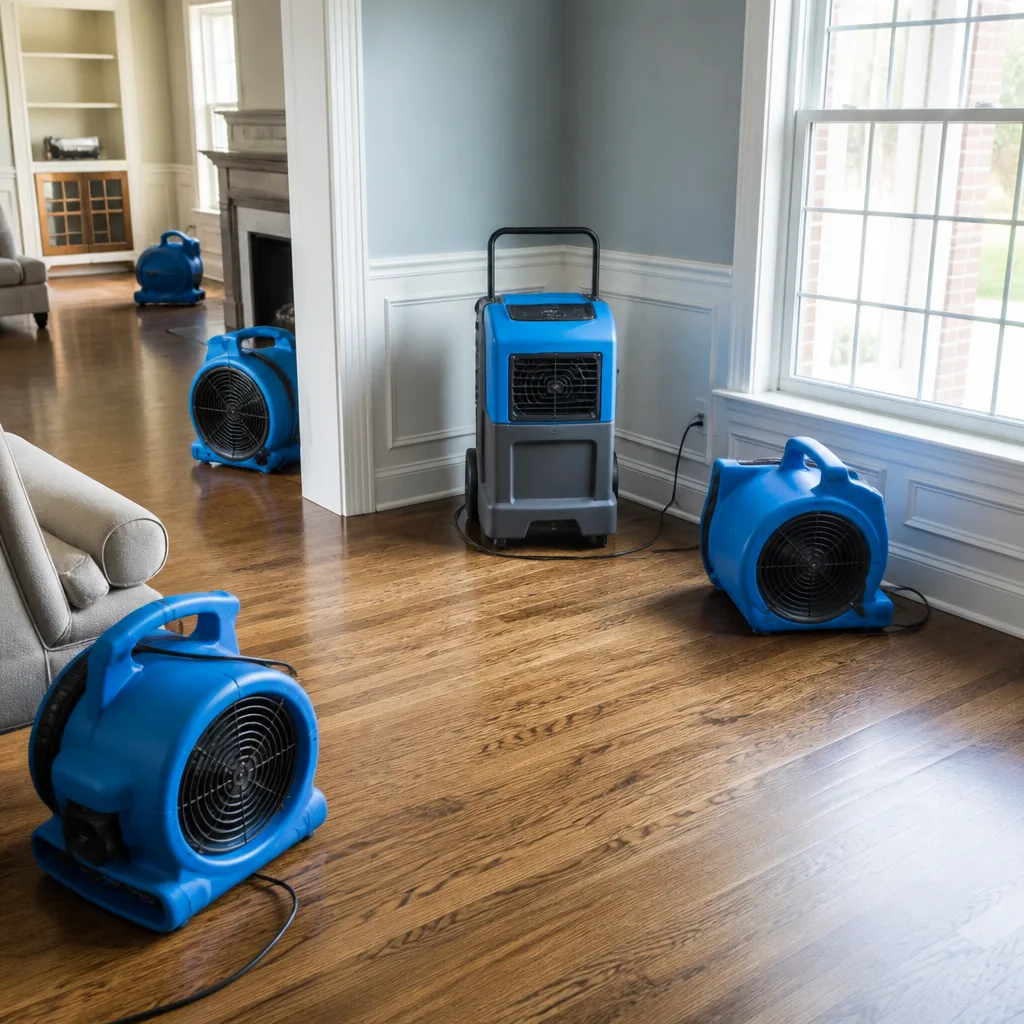 Water damage drying
 Fire & smoke cleanup
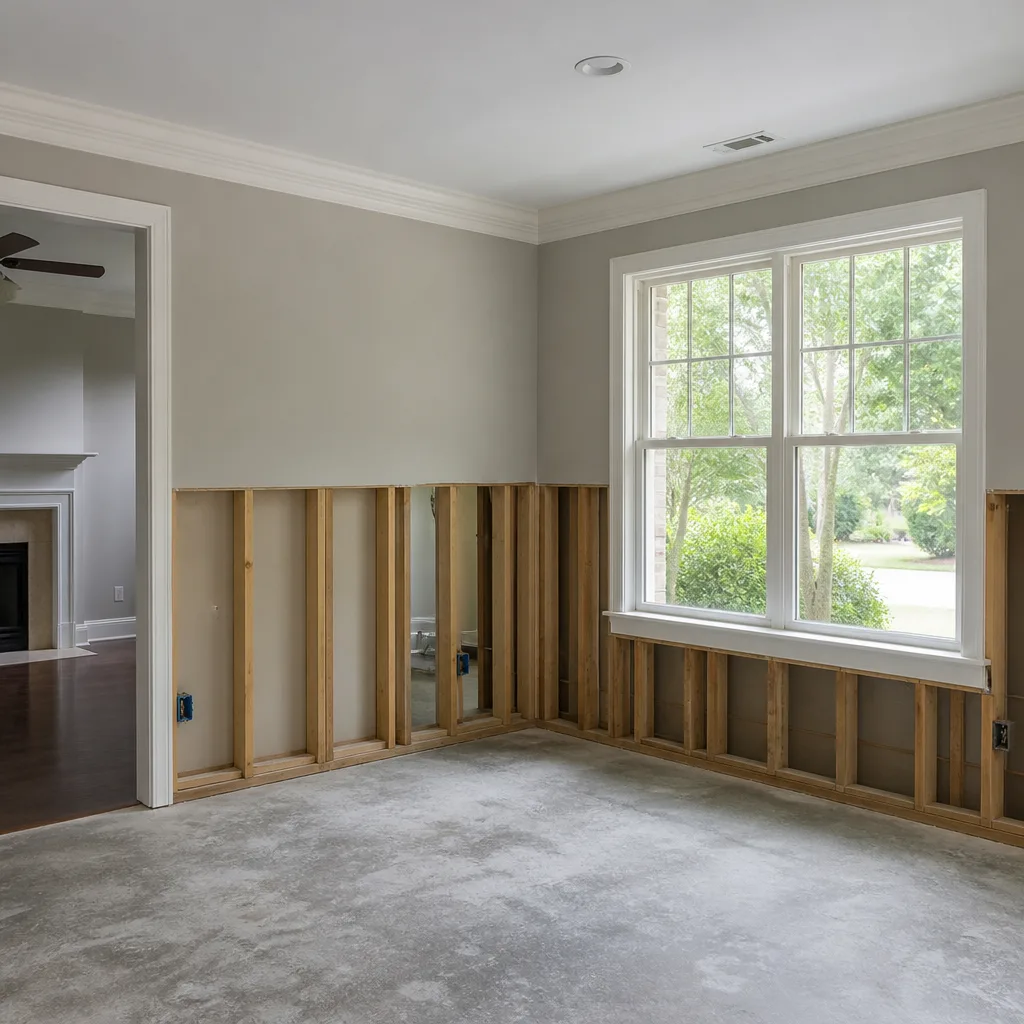 Mold remediation
 Storm response
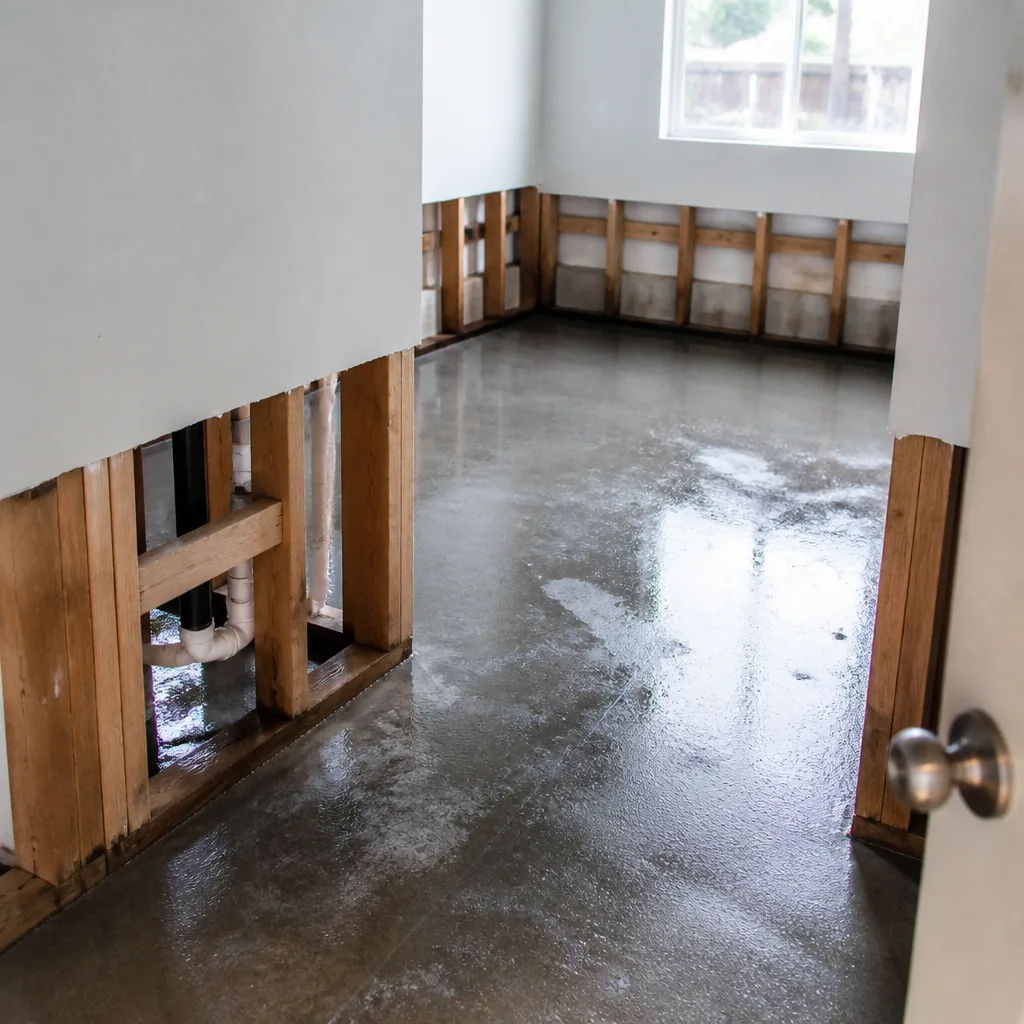 Sewage cleanup
 Reconstruction
Free visual inspection and a written scope of work before any mitigation begins - photos, moisture readings, and drying logs go in your claim file
The scope we write is the scope we bill. Anything new gets shown to you, in writing, before we touch it.
Get your free estimateThe Complete Guide to Damage Restoration in Fort Lauderdale
Fort Lauderdale averages 61 inches of rain per year, nearly double the U.S. average, yet most “complete guides” to restoration are written for climates that dry out on their own. South Florida’s humidity means structures don’t dry; they fester. This guide walks you through damage restoration as it actually works in Fort Lauderdale, from the first call to the final inspection, covering the slab-on-grade foundations, salt-air corrosion, and the six-month hurricane season that make this city’s restoration challenges different from anywhere else in the country. For related reading, see our Damage Restoration Warning Signs: A Fort Lauderdale Homeowner’s Reference Guide.
Quick Answer
Damage restoration in Fort Lauderdale is the process of removing water, drying building materials to an exact moisture standard, treating mold, and repairing what can’t be saved. In our market, it typically costs $2,500 to $8,500 for a standard water loss and $4,000 to $15,000 for mold remediation, depending on square footage and how long the water sat. The single most important step is starting professional drying within 24 to 48 hours, because Fort Lauderdale’s year-round humidity above 80 percent means materials that would air-dry in drier climates simply will not dry here without mechanical intervention.
Restoration work we handle
Table of Contents
- What Damage Restoration Actually Means in Fort Lauderdale
- Fort Lauderdale’s Specific Risks: Slab Foundations, Salt Air, and Humidity
- The Restoration Process, Step by Step
- Psychrometric Drying: Why Fort Lauderdale Homes Don’t Dry on Their Own
- Mold in South Florida: What Happens When Water Sits
- How Much Does Damage Restoration Cost in Fort Lauderdale?
- How to Vet a Restoration Contractor in Florida
- Insurance, Adjusters, and Photo Documentation
What Damage Restoration Actually Means in Fort Lauderdale
Damage restoration is the organized process of returning a structure to its pre-loss condition after water, fire, sewage, or mold has damaged it. In Fort Lauderdale, the term almost always involves water, because water is the root cause of nearly every secondary problem we see: warped flooring, crumbling drywall, rusting fasteners, and mold colonies that establish in as little as 48 hours in our humidity.
The restoration industry separates work into three phases. Extraction is removing standing water using truck-mounted vacuums, submersible pumps, or portable extractors. Drying is the longer, more technical phase, where industrial-grade air movers and dehumidifiers pull moisture from building materials until they reach a target moisture content, usually 8 to 12 percent for wood and below 4 on the moisture scale for concrete. Repair is the reconstruction phase: replacing drywall, flooring, trim, and any structural components that could not be saved.
Here’s the part most national guides miss. In Fort Lauderdale, the drying phase is the hardest to complete correctly. The ambient air outside is often 70 to 85 percent relative humidity, which means opening windows to let things “air out” will make the problem worse. We see it regularly: a homeowner mops up a leak, opens the windows, waits three days, then calls us after noticing a musty smell. By that point, what could have been a $2,500 extraction and drying job has become a $6,000 mold remediation project.
Key takeaways:
- Restoration has three phases: extraction, drying, and repair.
- In Fort Lauderdale, drying requires mechanical dehumidification – windows-open drying works against you.
- Mold establishes in 48 to 72 hours in our climate, which is faster than the national average quoted in most guides.
Fort Lauderdale’s Specific Risks: Slab Foundations, Salt Air, and Humidity
Fort Lauderdale homes are predominantly built on slab-on-grade foundations. That phrase matters more than most homeowners realize. In a crawlspace or basement house, water that penetrates the floor can drop into a ventilated space below, where it evaporates or drains away. In a slab home, the concrete sits directly on the earth. Water that gets under your flooring has nowhere to go except into the slab itself, and from there, it wicks upward through the flooring, the drywall, and eventually the furniture.
We’ve pulled up vinyl plank flooring in the Middle River Terrace and Victoria Park neighborhoods and found standing water trapped between the slab and the underlayment, three weeks after the original leak. The homeowner saw no visible water because the planks floated above it. That’s a scenario unique to this construction style, and it’s why our Water Damage Restoration in Fort Lauderdale process always includes checking moisture levels in the slab itself, not just in the flooring above it.
Then there’s salt air. Fort Lauderdale sits between the Atlantic Ocean and the Everglades, and the air here carries salt particles year-round. Salt is corrosive. It accelerates rust on hidden metal fasteners, door hinges, electrical contacts, and HVAC coil components. After any water event within two miles of the coast, we inspect not just the obvious damage, but the corrosion risk in places you can’t see. A nail that held drywall for 20 years might be rusted to half its thickness because salt air plus water exposure doubles the oxidation rate. We regularly find this in homes in Harbor Beach and Las Olas Isles, where the ocean breeze is constant.
And the humidity. Fort Lauderdale’s average relative humidity ranges from about 58 percent in the driest month, which is still higher than many cities’ wettest months, to nearly 90 percent in late summer. Every material in your home has an equilibrium moisture content, the point at which it stops losing moisture to the air. In humid climates, that equilibrium point is higher, meaning materials retain more inherent moisture even when “dry” by national standards.
This is why guides written for homes in Texas or Arizona fail here. A restoration protocol that works in a dry climate leaves South Florida homes vulnerable to re-wetting, musty odors, and mold regrowth. We follow IICRC standards for structural drying, which account for regional climate conditions rather than assuming one-size-fits-all drying windows. The Wendell Restoration Fort Lauderdale home team has been working in these conditions since 2006, and our drying protocols are built around how moisture actually behaves in Broward County air.
The Restoration Process, Step by Step
Here’s what a professional restoration job in Fort Lauderdale looks like from start to finish. This is the process we follow on every water or mold job, and it’s the same process any reputable IICRC-standard contractor should follow:
- First contact and triage. When you call (754) 354-1463, a live person answers and asks specific questions: Where is the water? How long has it been there? Is the source stopped? Is there standing water, or is it soaked-in? The answers determine whether you need emergency extraction or can schedule a standard assessment.
- On-site assessment with written scope. A technician arrives, maps the affected area, identifies the water category (clean, gray, or black), takes moisture readings from floors, walls, and the slab, and writes a detailed scope of work. You get the price in writing before any work starts. No exceptions.
- Emergency extraction. Standing water is removed using professional extraction equipment. In slab homes, this includes pulling baseboards and drilling small drain holes where trapped water sits between the slab and the flooring.
- Setup of drying equipment. Air movers are placed to create turbulence over wet surfaces, and dehumidifiers are positioned to pull moisture from the air. The equipment count depends on square footage, not on a guess. We use Dri-Eaz and Phoenix units, the same brands used on large commercial loss sites.
- Daily monitoring. Moisture readings are taken every day. Fort Lauderdale’s humidity means drying progress can stall, and we adjust equipment placement and dehumidifier settings daily based on psychrometric data, not on a fixed timeline.
- Antimicrobial treatment. Once materials reach their target moisture content, exposed surfaces are treated with an antimicrobial agent to prevent mold spores that were present before the loss from taking hold.
- Repair and reconstruction. This is the Water Damage Repair in Fort Lauderdale phase: replacing drywall, flooring, trim, and insulation. Every repair includes the 365-Day Done Right Promise in writing.
Throughout the process, you get before-and-after photos by text, a digital invoice you can pay from a link, and a live arrival time you can track. That’s the Relay Visibility Guarantee, and it’s built into every job we do in Fort Lauderdale.
Psychrometric Drying: Why Fort Lauderdale Homes Don’t Dry on Their Own
Psychrometric drying is the science of measuring air temperature, relative humidity, and dew point simultaneously to calculate the exact amount of moisture in the air and in materials. It’s the difference between guessing when a home is dry and knowing when it’s dry. In Fort Lauderdale, where the outside air is saturated for most of the year, guessing is dangerous.
Here’s how it works in plain terms. Air holds moisture. The warmer the air, the more moisture it can hold. The dew point is the temperature at which air becomes fully saturated and water condenses on surfaces. In a Fort Lauderdale home after a water loss, the indoor air might be 78 degrees with 85 percent relative humidity. The dew point might be 73 degrees. That means any surface below 73 degrees will collect condensation. Your AC vents, your tile floors, the interior of your walls near the exterior sheathing, all can become condensation points.
Professional drying uses this data in real time. We measure the air coming into a dehumidifier and the air leaving it. We measure the moisture content of drywall, flooring, and the concrete slab. We calculate how many pints of water each Dri-Eaz dehumidifier can remove per hour at the current temperature and humidity. As the indoor air dries, the materials release their moisture more efficiently, and we adjust the equipment to maintain the optimal drying environment.
What happens when someone skips this step? The surface of the drywall feels dry to the touch, but the interior of the wall cavity is still at 25 percent moisture content. The homeowner says it feels dry. The contractor packs up. A month later, mold is blooming behind the baseboards, and the repair warranty, if there even was one, doesn’t cover it because the contractor declared the job done.
We document moisture readings at every visit and the final drying log is included in your job record. That’s part of the written guarantee: if it’s not done right, we make it right, and we have the data to prove whether it was done right.
Mold in South Florida: What Happens When Water Sits
Mold is a living organism, and Fort Lauderdale provides its ideal environment: warmth, moisture, and organic material. The cellulose in drywall, the paper backing on insulation, and the wood components of your home are all food for mold. Add moisture from a leak, a flood, or even a high-humidity period, and mold spores that are present in every home begin to grow.
The timeline matters. In most climates, mold takes 5 to 7 days to establish visible colonies after a water event. In Fort Lauderdale, we see visible mold growth in 48 hours during the summer months. That’s why speed matters more here than almost anywhere else in the country. A slow leak under a kitchen sink in June can become a cabinet full of mold by the time you notice the smell.
Not all mold situations require full remediation. If the affected area is less than 10 square feet, a cleaning and drying protocol may be appropriate. Anything larger, or any case where the water was contaminated (sewage, flood water, or water that sat for more than 48 hours), typically requires professional Mold Remediation in Fort Lauderdale with containment, negative air pressure, and HEPA filtration.
The biggest misconception we hear is that bleach solves mold. Bleach kills surface mold but does not penetrate porous materials, and it adds water to the equation. The mold comes back. Professional remediation is about removing the moisture source, physically removing colonized material, treating surfaces, and verifying with post-remediation testing that the spore count has returned to normal levels.
We follow IICRC and RIA standards for mold remediation, which means containment barriers, HEPA-filtered air scrubbers, and detailed work plans. Every job starts with a written scope and a written price before any work begins, and every step is documented with photos so you always know what was found, what was removed, and what condition your home is in at the end.
How Much Does Damage Restoration Cost in Fort Lauderdale?
Real numbers, because you deserve a ballpark before you ever tap “call.” Fort Lauderdale restoration pricing depends on the water category, the square footage affected, the materials involved, and how long the water sat. For a detailed breakdown, see our Damage Restoration Cost Breakdown: The Fort Lauderdale Homeowner’s Reference for 2026. Here are the ranges we see across the city, from Sailboat Bend to Coral Ridge:
- Water extraction only (no drying): $800 to $2,500 for a standard single-room loss.
- Extraction plus structural drying: $2,500 to $5,500 for a typical 500 to 1,200 square foot affected area.
- Full water damage restoration: $4,000 to $8,500 when drywall, baseboards, and flooring require replacement.
- Mold remediation: $2,000 to $6,000 for isolated containment, $6,000 to $15,000+ for multi-room or HVAC-contaminated projects.
- Sewage or black water cleanup: $5,000 to $12,000, reflecting the higher safety and disposal requirements.
- Combined water and mold (common in slab homes): $7,000 to $18,000, depending on materials and cabinet removal.
These ranges reflect Fort Lauderdale’s construction costs, labor rates, and the reality that most water events here become water-plus-mold events because of the humidity. Your exact price should be in writing before any work starts, and if a contractor won’t put it in writing, that’s a red flag.
How to Vet a Restoration Contractor in Florida
Florida has specific licensing rules for restoration contractors, and Fort Lauderdale homeowners should know what to ask for. For the full regulatory picture, read Damage Restoration Permits, Codes & Inspections in FL: What You Need to Know. The Florida Department of Business & Professional Regulation (DBPR) oversees contractor licensing in the state. Mold remediation, specifically, requires either a mold remediator license or a mold assessor license, depending on the scope of work. General water damage restoration companies may operate under a general contractor license or a specialty contractor license, but if they’re performing mold work, they need a mold-specific credential.
This differs from neighboring states. Georgia, for example, has no statewide mold remediation license requirement at all, meaning a company that is “licensed” in multiple states may be operating on a patchwork of local rules. In Florida, the DBPR licensing structure gives you a clear standard to demand: ask for the license number, verify it on the DBPR website, and confirm the company is insured and bonded.
Beyond licensing, here’s what to look for:
- Do they put the price in writing before work starts? If the answer is no, find another contractor. Written pricing is standard in this industry, and any company that won’t commit to a number before touching a tool is not operating in good faith.
- Do they follow IICRC, RIA, or IFA standards? These are the industry bodies that publish the technical standards for water damage restoration and mold remediation. A contractor who can’t name the standard they follow is not a restoration professional, they’re a cleaning crew.
- Do they document their work? Before-and-after photos, daily moisture readings, and a final drying log should be available to you. If the contractor won’t show you the data, they probably don’t have it.
- Do they offer a written guarantee? Our 365-Day Done Right Promise is stated in writing on every repair: if it’s not done right, we make it right. A guarantee that is verbal only is not a guarantee.
Blake Sorensen has worked in Fort Lauderdale restoration since 2006, and the company was built around the idea that restoration customers deserve the same level of transparency as any other service they book. Live-answer phones, written pricing, tracked arrival times, and photo updates are not premium features. They’re the baseline.
Insurance, Adjusters, and Photo Documentation
Most Fort Lauderdale homeowners file an insurance claim when they experience water or storm damage. The insurance process adds a layer of complexity, but a professional restoration company should make it simpler, not more complicated.
The key is documentation. Insurance adjusters work from evidence. If the water damaged the lower three feet of drywall in a bedroom, the adjuster needs to see that drywall before it’s removed. If mold was found behind a vanity, the adjuster needs photos of the mold in place. We photograph every affected area before, during, and after the work, and we coordinate directly with adjusters so you’re not the middleman in a paper shuffle.
Some questions to ask your contractor about insurance:
- Do you document the full scope before demolition begins? If materials are removed before photos are taken, the insurance company may dispute the claim.
- Do you work directly with the adjuster? Direct coordination saves weeks of back-and-forth.
- Can you provide a line-item estimate in the format insurance companies use? Xactimate is the standard software, and most insurance-approved restoration companies use it.
- Do you handle direct insurance billing? Not every company does, but it’s worth asking.
If you’re in the middle of an emergency and haven’t filed a claim yet, call (754) 354-1463 first. We can advise you on whether the damage is worth a claim or better handled directly, and we’ll document everything from the first visit so nothing is lost.
Common Mistakes to Avoid
- Waiting to call. In Fort Lauderdale’s humidity, 48 hours is the difference between a drying job and a mold remediation project. The call costs nothing; the delay can cost thousands.
- Opening windows to dry. When the outside air is above 70 percent humidity, you’re adding moisture to the space, not removing it. Mechanical dehumidification is the only way to dry a structure here.
- Hiring a general handyman for water damage. A handyman can fix a leaky faucet. A water-saturated wall in a slab home requires moisture meters, psychrometric calculations, and an understanding of how moisture moves through concrete. This is a specialized trade.
- Accepting a verbal estimate. Any contractor who won’t commit to a written price should not be allowed to open a wall. Written pricing protects you from surprise charges and protects the contractor from scope disputes.
- Treating mold with bleach. Bleach doesn’t kill mold roots in porous materials, and the added moisture makes the problem worse. Mold remediation requires containment, physical removal, and antimicrobial treatment.
- Skipping the slab moisture check. In a Fort Lauderdale slab-on-grade home, moisture under the flooring is invisible but real. Drying the floor surface without checking the slab below it leaves water trapped, and the flooring will fail later.
- Ignoring salt-air corrosion. After any water event near the coast, hidden metal fasteners and electrical contacts should be inspected. Rust doesn’t show until the drywall comes down, and by then repairs are more expensive.
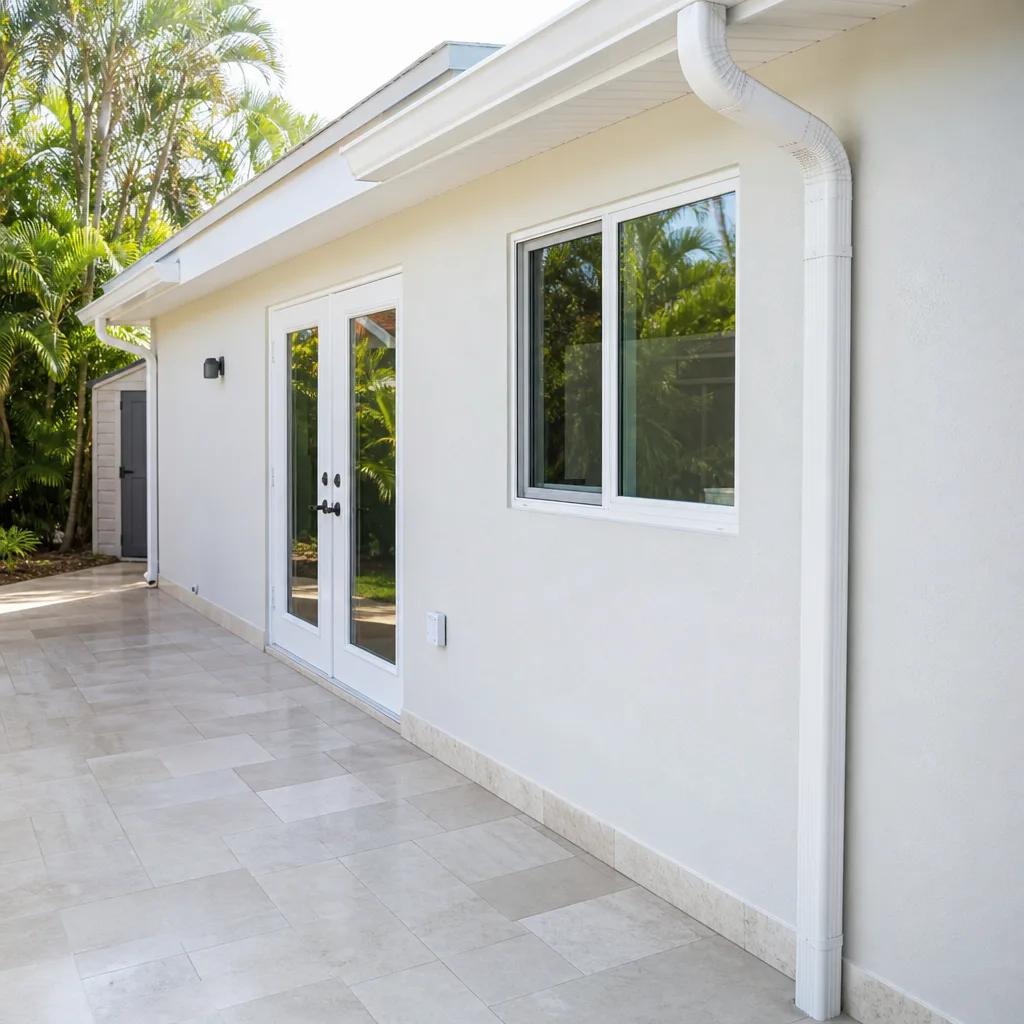
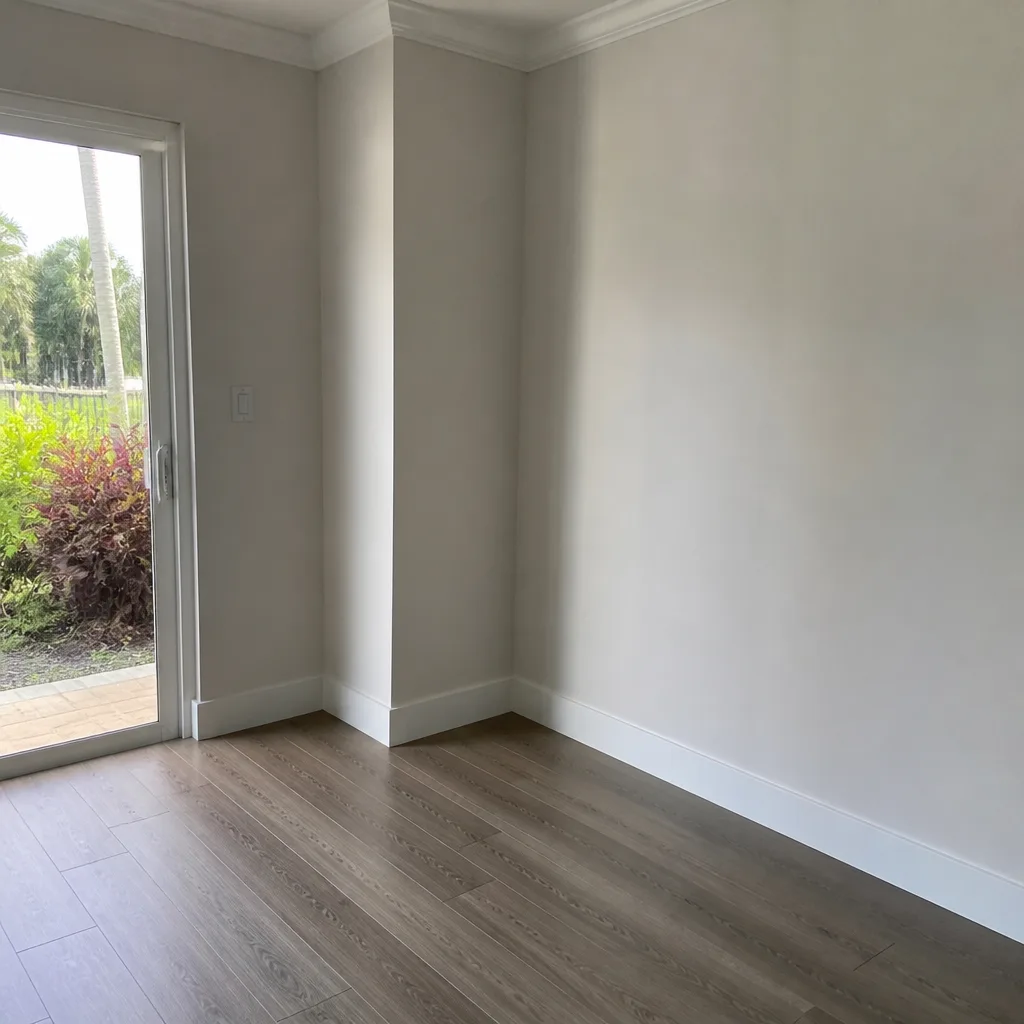
See the difference
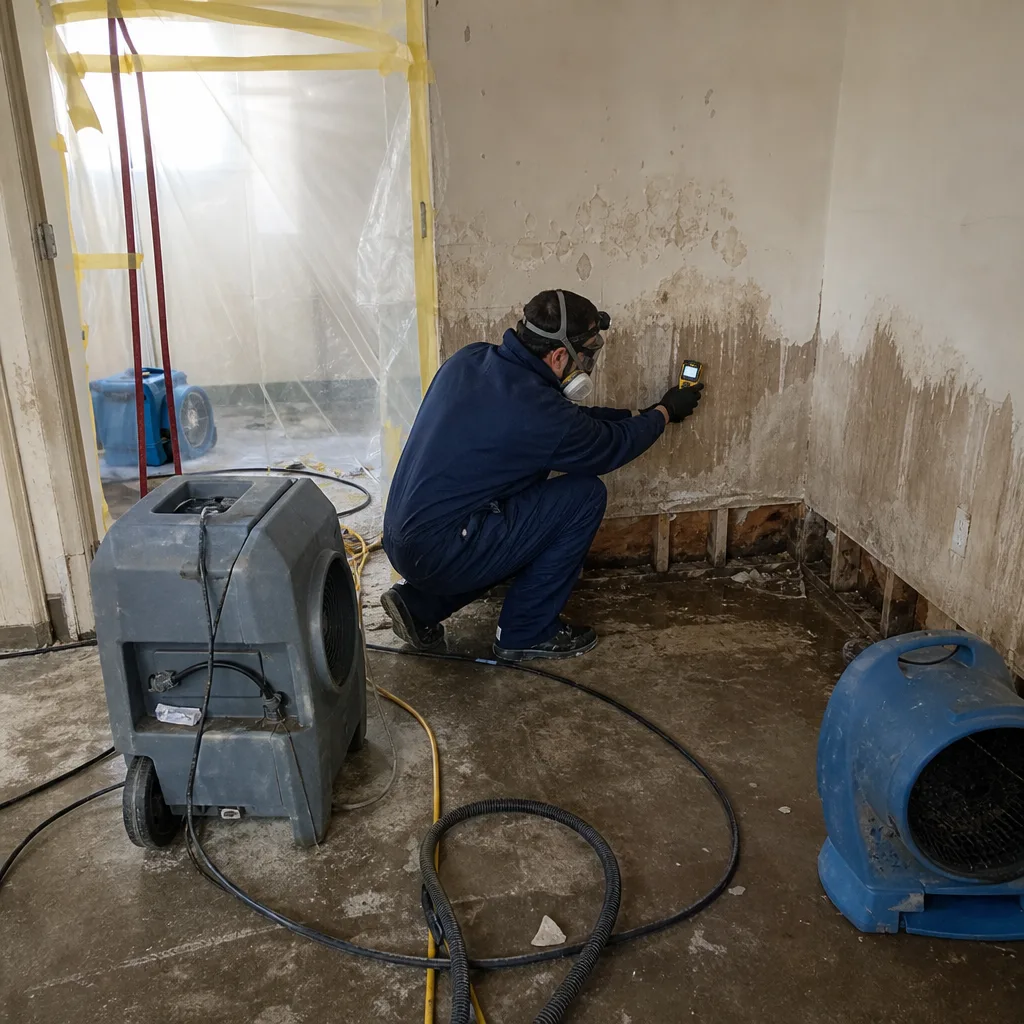 Before
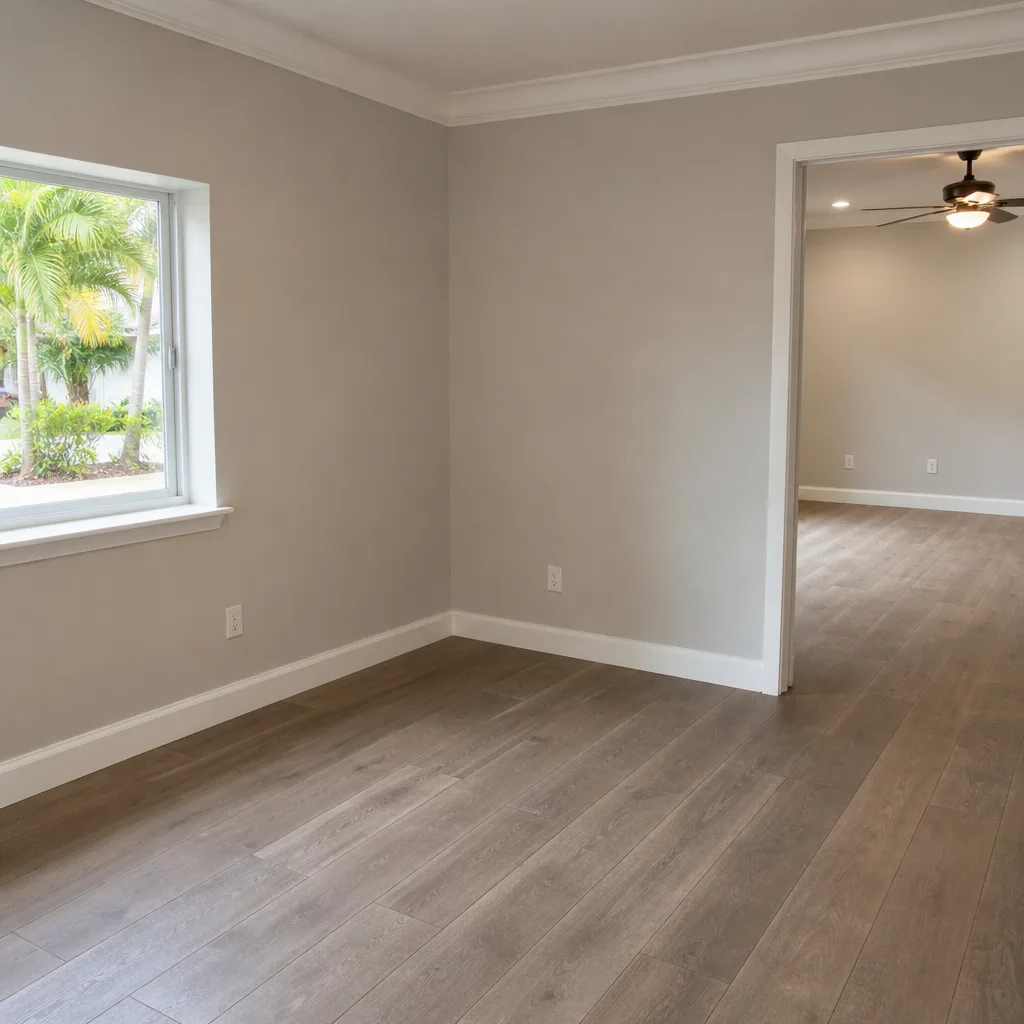 After
After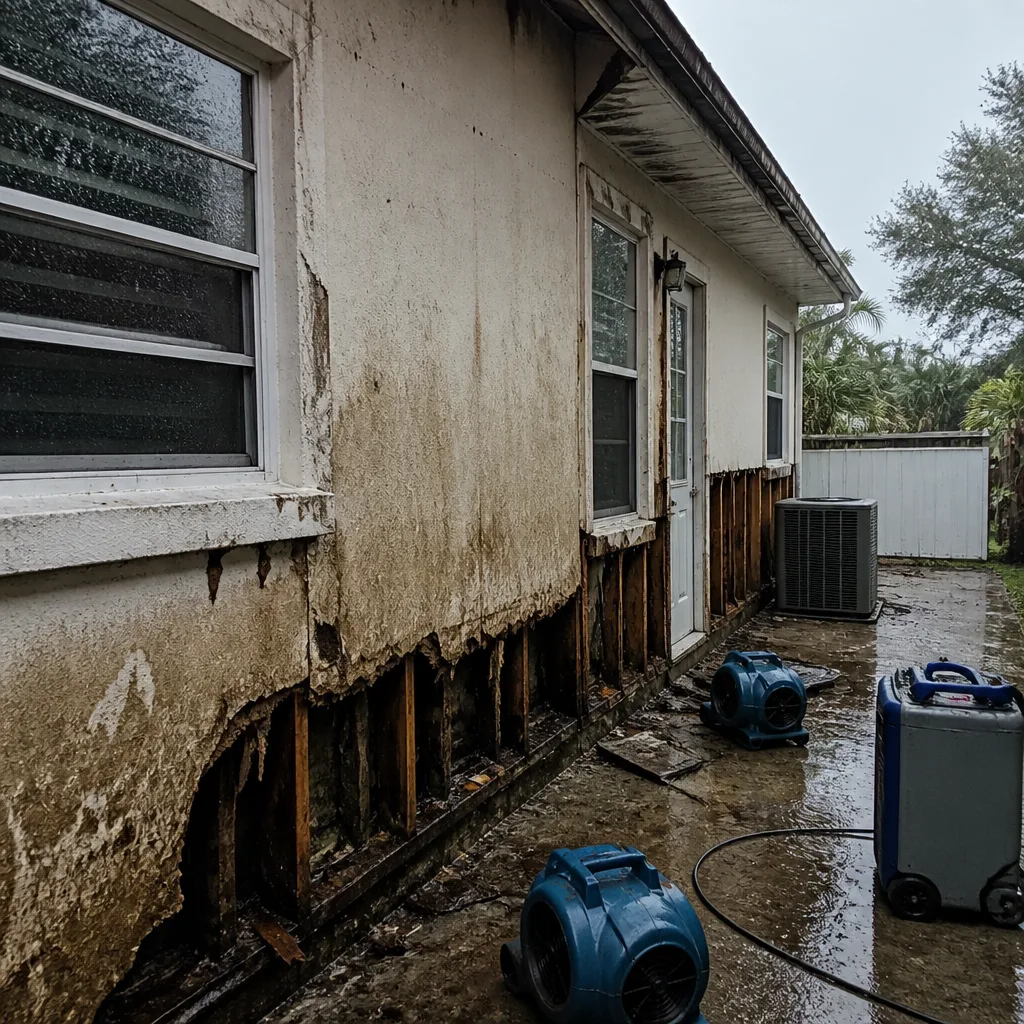 Before
 After
After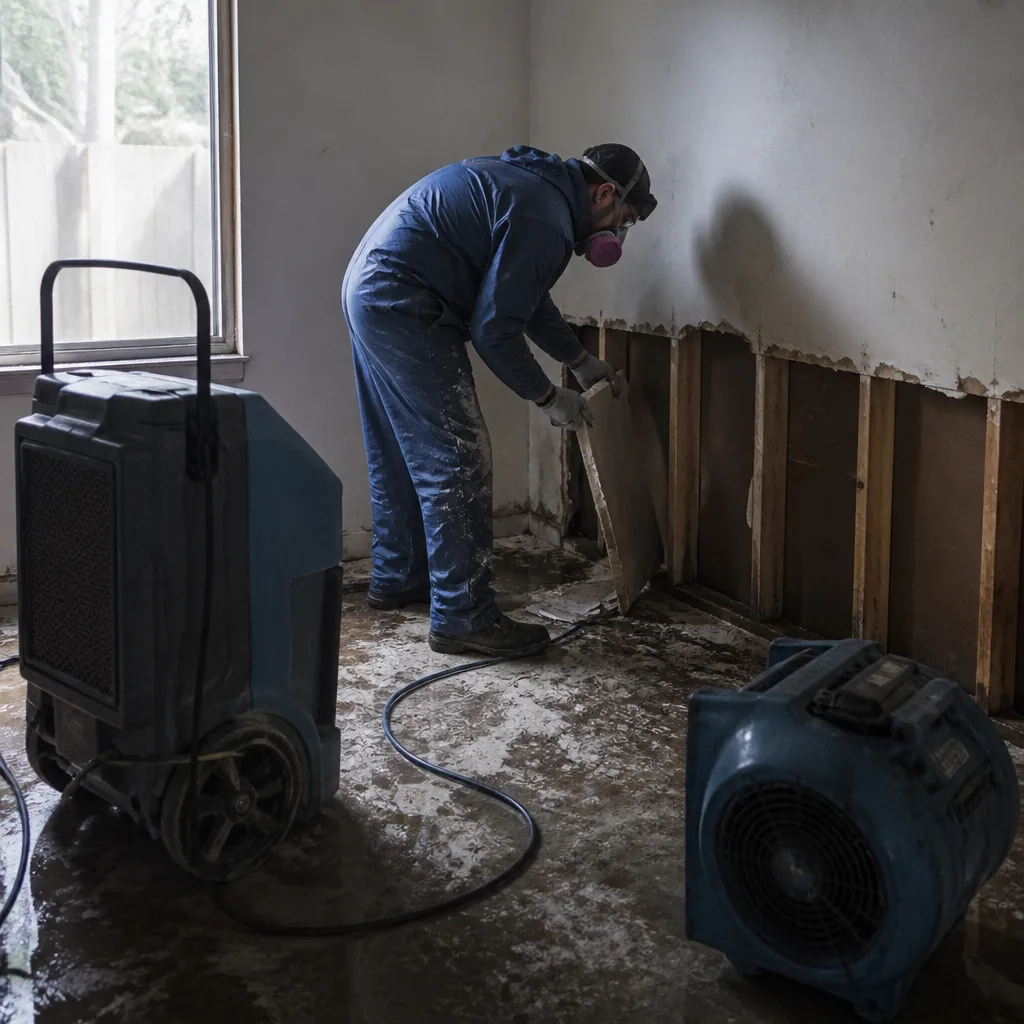 Before
 After
AfterWhen to Call a Professional
Call a restoration professional when water has affected more than a single towel-dryable spill, when water has been sitting for more than a few hours, when water came from a contaminated source like a toilet or a storm drain, or when you smell mustiness that wasn’t there before. Also call if you see visible mold growth larger than a dinner plate, if your flooring is buckling or swelling, or if your walls feel cool and damp to the touch. In a Fort Lauderdale slab home, any water event that wets flooring, drywall, or cabinetry should trigger a call. Wendell Restoration Fort Lauderdale offers free estimates in Fort Lauderdale. Call (754) 354-1463 and a live person will answer, day or night.
Frequently Asked Questions
Most reputable Fort Lauderdale restoration companies can dispatch a technician within hours of your call, not days. Wendell answers calls 24/7 with a live person, and you get a live arrival time you can track, not a vague four-hour window. In an active water emergency, the first priority is stopping the source and beginning extraction.
Most homeowner policies cover sudden and accidental water damage, like a burst pipe or a supply line failure, but they often exclude damage from gradual leaks, flood events, or neglect. A restoration company that documents the loss thoroughly and works directly with your adjuster gives you the strongest chance of full coverage. Call (754) 354-1463 to discuss your specific situation.
In our climate, structural drying typically takes 3 to 7 days, depending on the materials, the water volume, and how long the water sat before extraction. Concrete slab homes take longer to dry than wood-framed homes because the slab retains moisture and releases it slowly. Daily moisture readings determine when drying is complete.
Visible mold often indicates a larger hidden colony, especially in Fort Lauderdale where mold growth is rapid and aggressive. If the affected area is small (under 10 square feet) and the source of moisture is resolved, surface cleaning may be adequate. Anything larger, or any mold caused by contaminated water, requires professional containment and remediation.
Restoration is the emergency phase: extraction, drying, and antimicrobial treatment to stop the damage from spreading. Repair is the structural phase: replacing drywall, flooring, trim, and any materials that couldn’t be salvaged. In Fort Lauderdale, most jobs involve both, and they should be handled by the same company for continuity.
Yes. Florida requires mold remediators and assessors to hold DBPR-issued licenses, and general restoration contractors must hold some form of state or local contractor license. Always ask for the license number and verify it on the DBPR website. A company that can’t produce a license number should be avoided.
The Bottom Line
Damage restoration in Fort Lauderdale is not the same as damage restoration in dry climates. Our slab-on-grade homes trap moisture, our salt air accelerates corrosion, and our humidity turns small leaks into mold colonies in a weekend. The answer is speed plus science: call early, insist on psychrometric drying rather than guesswork, demand a written price before work starts, and verify that your contractor follows IICRC, RIA, or IFA standards. The right company makes the process transparent: live-answer phones, tracked arrival times, photo updates at every milestone, and a written guarantee on every repair. Explore more guides & resources to protect your home. That’s the standard Wendell Restoration Fort Lauderdale has operated under since 2006, and it’s what every homeowner in this city should expect.
Written by Blake Sorensen, Owner at Wendell Restoration Fort Lauderdale, serving Fort Lauderdale since 2006.