
Last updated October 16, 2026
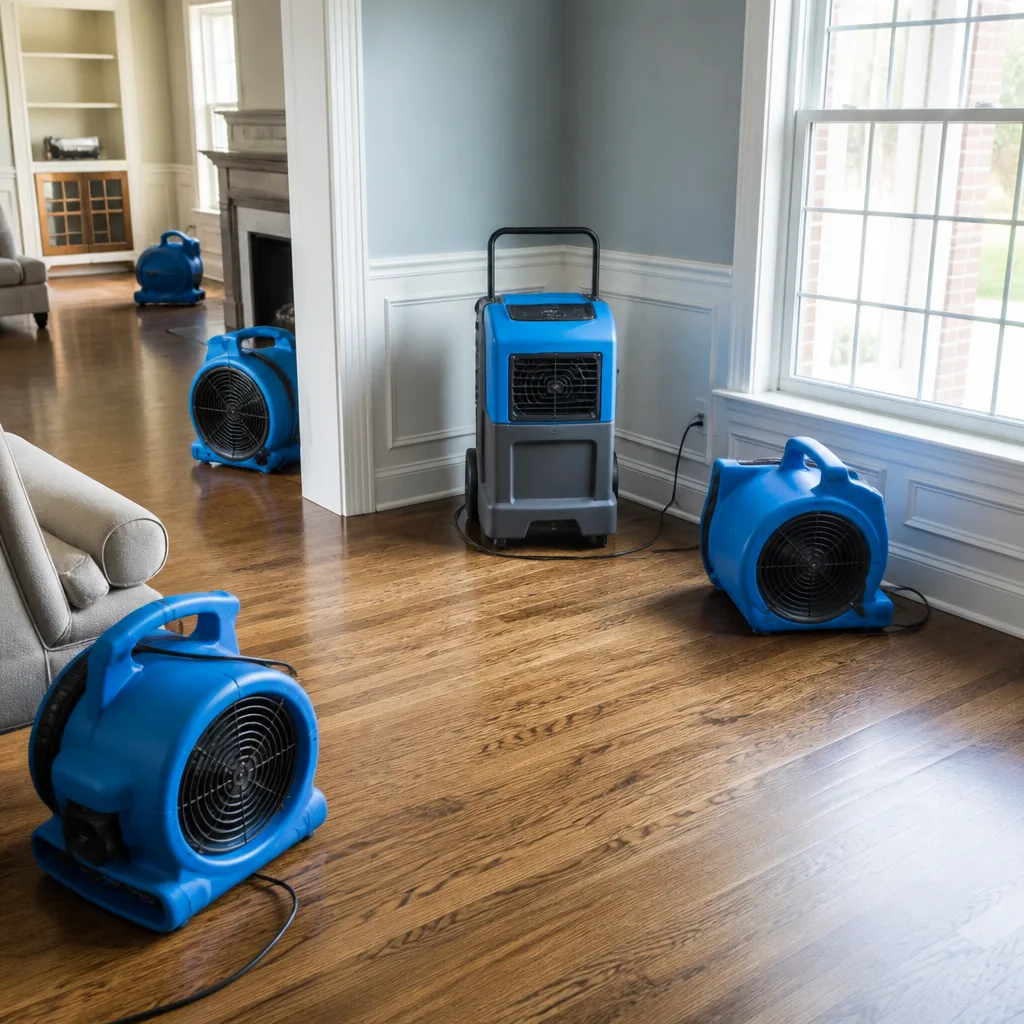 Water damage drying
 Fire & smoke cleanup
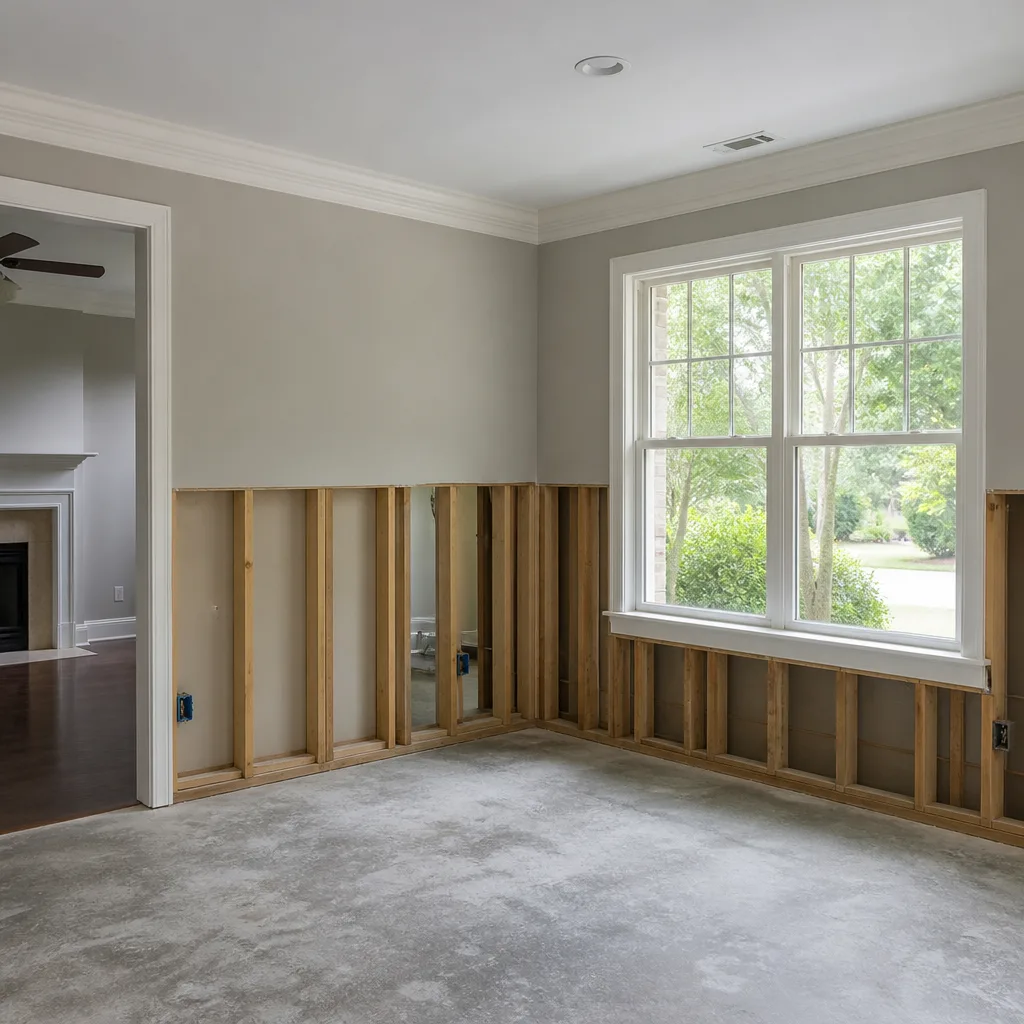 Mold remediation
 Storm response
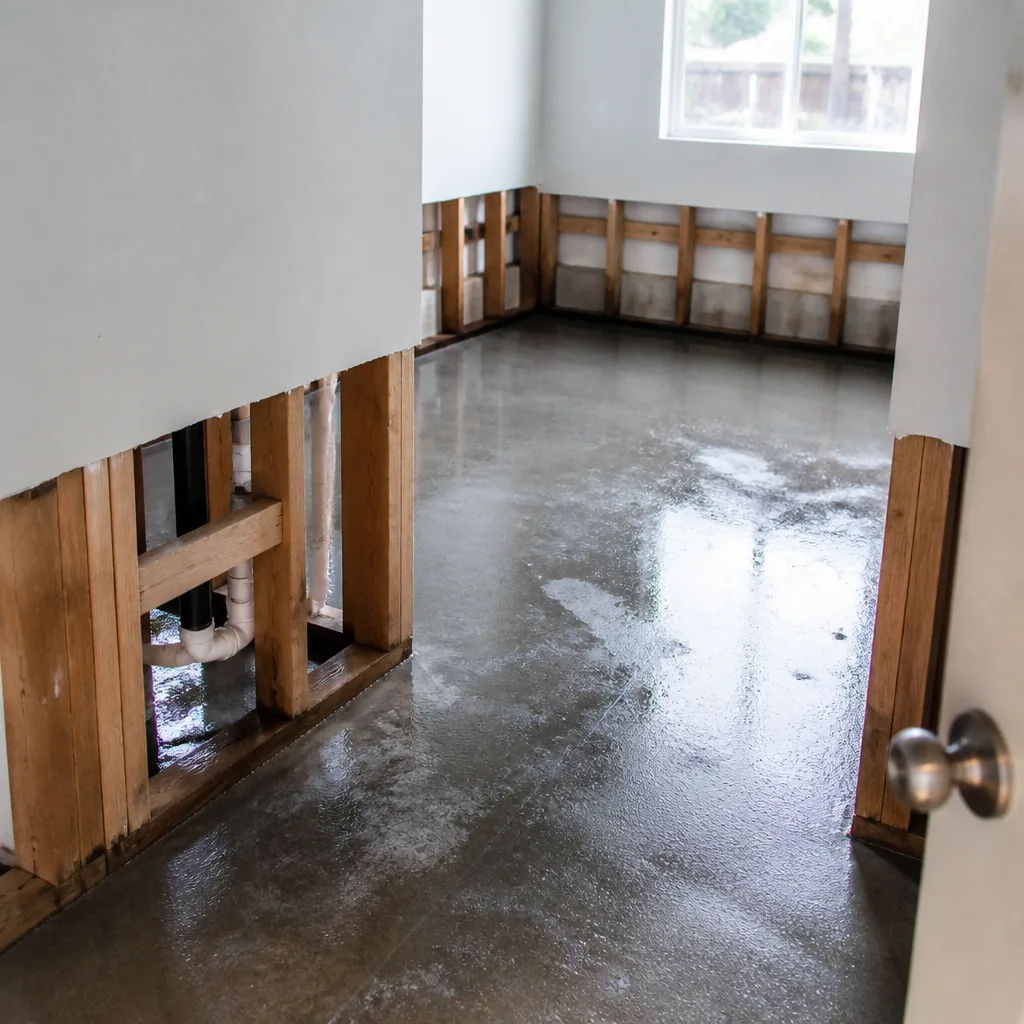 Sewage cleanup
 Reconstruction
Free visual inspection and a written scope of work before any mitigation begins - photos, moisture readings, and drying logs go in your claim file
The scope we write is the scope we bill. Anything new gets shown to you, in writing, before we touch it.
Get your free estimateDIY vs Professional Damage Restoration: The Fort Lauderdale Homeowner’s Decision Guide
Here’s a number that surprises most Fort Lauderdale homeowners: a consumer-grade dehumidifier rented from a big-box store removes roughly 10-15 pints of water per day under ideal conditions. A single commercial low-grain refrigerant (LGR) dehumidifier used by restoration pros pulls 130-190 pints per day in the same space. In Fort Lauderdale, where ambient humidity hovers between 65 and 80 percent for most of the year, that gap isn’t a convenience difference. It’s the difference between a dry home in three days and a hidden mold colony inside your walls in three weeks. This guide-along with our Water Damage Restoration Maintenance Checklist for Fort Lauderdale Homeowners-explains when you can genuinely handle water damage yourself, when you can’t, and why the answer in South Florida hinges less on your handyman skills than on physics, Florida law, and what your insurance adjuster will want to see in writing.
Restoration work we handle
Quick Answer
DIY water damage restoration is only reasonable in Fort Lauderdale for clean-water spills under roughly 10 square feet that you catch within two hours on non-porous surfaces. Anything larger, anything involving drywall or wall cavities, any gray or black water, or any event where humidity has been above 60 percent for more than 48 hours needs professional equipment and documentation. The deciding factors aren’t effort or skill: they’re Florida Statute 489.1455, your insurance policy’s documentation requirements, and the psychrometric reality that Fort Lauderdale’s air makes amateur drying almost always incomplete.
Table of Contents
- The Humidity Problem: Why Fort Lauderdale Breaks the Rules
- Psychrometric Drying, Explained Without the Jargon
- Florida Statute 489.1455: The Law Most DIYers Never Hear About
- The Insurance Paper Trail: What Your Adjuster Actually Wants
- The 3 Scenarios Where DIY Is Genuinely Reasonable
- What Professional Restoration Actually Involves
- Common Mistakes to Avoid
- When to Call a Professional
- Frequently Asked Questions
- The Bottom Line
The Humidity Problem: Why Fort Lauderdale Breaks the Rules
A flooded room in Phoenix, Arizona dries in about two days with open windows and a box fan. A flooded room in Fort Lauderdale does not. The reason is simple: outside air in South Florida already contains so much moisture that opening windows often makes the problem worse, not better. When outdoor humidity sits at 75 percent, the air you’re bringing in has no drying capacity left. It’s like trying to dry a towel by hanging it in a steam room. The towel stays wet because the air around it is already saturated. Your drywall behaves the same way.
This is why Fort Lauderdale homeowners who try to dry out water damage with rental dehumidifiers and box fans frequently end up with a second, more expensive problem: hidden mold inside wall cavities and under baseboards. The visible surface dries. The wood framing behind the drywall does not. And because Florida’s building materials tend to be gypsum, porous stucco, and engineered lumber, all of which trap moisture, the window for mold growth in Fort Lauderdale is measured in days, not weeks. Mold spores that remain dormant in dry conditions become active colonies within 24 to 48 hours of sustained moisture above 60 percent relative humidity. In a wall cavity that never dried properly, that threshold is crossed without anyone seeing it happen.
The takeaway: in Fort Lauderdale, the DIY-versus-professional decision is not about how handy you are. It’s about whether the water you can’t see is being dried by equipment you don’t have. Most of the time, the answer is no. The National Institute of Standards and Testing publishes drying curves that consistently show incomplete evaporation when ambient humidity exceeds 60 percent and air movement is under 300 cubic feet per minute. South Florida’s climate violates both conditions for most of the year.
Psychrometric Drying, Explained Without the Jargon
Psychrometric drying is the science of removing moisture from air and materials by controlling temperature, humidity, and airflow. Restoration technicians use it to calculate exactly how much drying capacity a space needs. The term sounds academic, but the concept is straightforward: water in your walls and floors only evaporates into the air if that air has capacity to hold it. Once the air in a room becomes saturated, evaporation stops. No amount of towel-squeezing on your part changes that physics.
In practical terms, here’s the math that matters in Fort Lauderdale:
- Grain depression is the key variable. A “grain” is a unit of humidity. Drying professionals measure grains of moisture per pound of air. Effective structural drying requires the air inside your home to have a significantly lower grain count than the air outside. In Fort Lauderdale, outdoor air often carries 110 to 130 grains per pound. A commercial dehumidifier reduces indoor air to 30 to 40 grains per pound, creating the “dry pull” that strips water from structural materials.
- Consumer dehumidifiers can’t reach those numbers in high-humidity environments. A rental dehumidifier rated at 30 pints per day drops to roughly 10-15 pints in real-world conditions where ambient humidity is already high. It simply doesn’t have the coil temperature or airflow capacity to create meaningful grain depression.
- Equipment capacity is calculated per cubic foot. The restoration standard is roughly 1 pint of dehumidification per 50 cubic feet of affected space, plus separate air mover capacity per affected wall area. A standard 12×12 bedroom with 8-foot ceilings (1,152 cubic feet) needs about 23 pints per day of moisture removal at minimum for structural drying. Most homeowner-grade rental units top out at 30 pints in perfect conditions, which Fort Lauderdale air rarely provides.
Professionals use equipment designed for this specific problem. LGR (low-grain refrigerant) dehumidifiers from brands like Dri-Eaz and Phoenix pull 130 to 190 pints per day while maintaining air temperatures that accelerate evaporation without over-drying surfaces. Air movers create airflow of 3,000 to 5,000 cubic feet per minute across affected walls, which is dozens of times what a box fan produces. And moisture meters read the moisture content of wall cavities, not just the visible surface, so technicians know when the structure is actually dry, not just when it looks dry.
The methods follow standards set by the IICRC (Institute of Inspection, Cleaning and Restoration Certification), the RIA (Restoration Industry Association), and the IFA (International Federation of Airline Dispatchers, a less common but recognized peer standard for environmental assessment). When a restoration company says it works to IICRC standards, it means the drying process follows a documented, measurable protocol rather than someone showing up with fans and hoping for the best.
Florida Statute 489.1455: The Law Most DIYers Never Hear About
Most Fort Lauderdale homeowners don’t learn about Florida Statute 489.1455 until after they’ve already done the work. This statute governs mold remediation in the state of Florida, and it has a specific provision that directly affects DIY projects. Any mold remediation affecting an area of 10 square feet or more must be performed by a licensed mold remediator. The statute defines remediation as the removal, cleaning, sanitizing, or demolition of mold-contaminated materials. So even if you’re just cutting out a patch of drywall that has visible mold on it, if that patch is larger than 10 square feet, you’re legally required to hire a licensed professional.
The homeowner exemption exists, but it’s narrower than most people assume. Florida law allows a homeowner to perform mold remediation on their own primary residence without a license, but only if the affected area is under 10 square feet. Above that threshold, the exemption does not apply. The law also requires that anyone performing mold remediation as a commercial service hold a specific mold remediator license issued by the Florida Department of Business and Professional Regulation. That license requires proof of training, insurance, and adherence to IICRC or equivalent standards.
What this means in practice: if you have a water event in Fort Lauderdale that affects a 12-square-foot section of drywall, and that drywall grows mold before you dry it, you cannot legally cut out and replace that drywall yourself without violating Florida Statute 489.1455. If you do it anyway and the work causes or fails to prevent cross-contamination, your homeowners insurance may decline a subsequent mold claim on the grounds that unlicensed work was performed. We’ve seen this happen more times than we can count, and the resulting conversation with the insurance company is not a pleasant one.
The law also matters for sellers. If you sell a home in Fort Lauderdale and a buyer’s inspection later discovers mold from an undocumented DIY remediation, you can be held liable for failing to disclose a known defect. Professional remediation gives you a paper trail that shows the work was done to a legal standard. A DIY job leaves you with nothing but a patch and a prayer.
The Insurance Paper Trail: What Your Adjuster Actually Wants
When you file a water damage claim in Fort Lauderdale, your insurance company is not just evaluating whether you had a problem. They’re evaluating whether you mitigated the problem. That’s the key legal concept. Under standard homeowners insurance policies, you have a duty to mitigate further damage after a loss. If the insurer believes you failed to mitigate, they can reduce your payout by the amount of additional damage that resulted from your inaction or your incomplete DIY efforts.
Here’s the scenario we hear about most often from Fort Lauderdale homeowners who later call us: a pipe bursts behind a bathroom wall. They rent a dehumidifier, run fans, and after three or four days the visible areas look dry. They file a claim for the water damage, the adjuster visits, approves repairs, and everyone moves on. Sixty days later, a musty smell appears. They pull back the baseboard and find mold inside the wall cavity. They file a second claim, or reopen the first. The adjuster asks for documentation of the drying process. They have none. The insurer’s position, which is often successful: the homeowner’s incomplete drying caused the mold, meaning it’s a maintenance issue, not a covered loss. The claim is denied or sharply reduced.
Professional restoration prevents this by creating a documentation trail that has real dollar value if your claim is ever disputed. That trail typically includes:
- Initial moisture mapping, showing where water had penetrated before drying began. This proves the scope of the original problem.
- Daily psychrometric logs, recording temperature, humidity, and grain depression measurements at set intervals. These logs show the drying process was working and that the structure reached documented dryness standards.
- Before-and-after photos, taken with time stamps, showing the affected areas at the start and finish of the job. This is your visual proof that the work happened and was completed properly.
- A final moisture content report, showing that wall cavities and structural materials were within normal moisture content ranges at the time the job was closed.
Wendell Restoration Fort Lauderdale sends before-and-after photo updates by text during every job, and the final invoice comes through as a digital link you can pay from your phone. That’s not just convenience; that’s your documentation trail, already in your messages app if you ever need to send it to an adjuster. We also provide a written price before any work starts, so there’s no argument later about what was authorized.
The 3 Scenarios Where DIY Is Genuinely Reasonable
We’re not going to tell you that every water event requires a professional. That’s not true, and it would be bad advice. There are three specific situations in Fort Lauderdale where a competent homeowner can handle the work themselves without creating legal or insurance risk, though for larger projects you may want to read our How to Hire a Damage Restoration Contractor in Fort Lauderdale: A Step-by-Step Guide.
1. Surface-only spills under 10 square feet, caught within two hours, on sealed concrete or tile. If you knock over a mop bucket on a tile floor and get it cleaned within two hours, with no water touching drywall or baseboards, DIY drying is fine. The rule is simple: if the water never had a chance to penetrate a porous material, there’s no hidden risk. This covers the vast majority of everyday spills, pet accidents, and similar events. You don’t need us for that, and we’ll tell you as much.
2. RV, vacation property, or detached-garage scenarios where the affected structure is either uninsulated or already mold-resistant. if your RV has a small leak and it’s sitting in your Fort Lauderdale driveway, DIY drying with a rental dehumidifier and good airflow is often workable. The same applies to an uninsulated concrete-block detached garage with no drywall. The risk profile is fundamentally different when there’s no wall cavity to hide moisture in. What you’re really doing is surface drying, and that’s within reach of consumer equipment.
3. Clear-water events caught within two hours, where the only affected material is solid hardwood or sealed concrete with proper underlayment. If a supply line bursts while you’re home, you shut the water off within minutes, and the bleeding is limited to a sealed concrete floor or a solid hardwood floor with no subfloor penetration, a diligent DIYer with a shop vacuum and strong airflow can genuinely complete the job. The key is honesty about the two-hour window. After two hours in Fort Lauderdale’s humidity, water has begun wicking into baseboards, door casings, and the gaps between materials.
One thing to note: the two-hour cutoff is not arbitrary. Water migrates upward through wall materials by capillary action at roughly 1 inch per hour in standard drywall. In two hours, a puddle at the base of a wall has climbed 2 inches into the drywall. In six hours, it’s 6 inches up. By the time you come home from work and discover the problem, you’re typically dealing with a six-to-eight-hour event that has already entered wall cavities and under-floor spaces.
What Professional Restoration Actually Involves
The gap between professional and DIY isn’t just better equipment, though that’s part of it. The real difference is process: a systematic protocol that identifies, contains, dries, and verifies every affected area using measurable standards. Here’s what a Water Damage Restoration in Fort Lauderdale professional actually does on a typical job:
- Inspection and moisture mapping. Technicians use penetrating and non-penetrating moisture meters to map where water has traveled. This includes areas you can’t see: inside wall cavities, under baseboards, beneath flooring, and in the subfloor. A moisture map is a floor plan with moisture readings marked at regular intervals, showing exactly where drying is needed.
- Extraction. Standing water is removed using truck-mounted or portable extraction equipment that removes hundreds of gallons per hour. A shop vacuum removes less than 10 gallons per hour and doesn’t create enough suction to pull water from carpet padding. This is one of the biggest hidden failure points in DIY work: carpet that feels dry on top but has a gallon of water trapped in the padding underneath.
- Containment and controlled demolition. If materials can’t be dried (flood-saturated drywall, wet insulation, carpet with contaminated padding), they’re removed. The key detail is containment: professionals seal off affected areas with plastic sheeting and negative air pressure so that mold spores and contaminants don’t spread to rest of the house during removal. This is the part DIYers almost never do, and it’s why many DIY projects end with a house-wide mold problem.
- Structured drying. Commercial LGR dehumidifiers and high-velocity air movers are positioned to create the moisture gradient needed to pull water out of structural materials. Technicians calculate drying capacity based on room volume and moisture readings, then adjust daily as drying progresses. They also use specialized tools like Injectidry systems, which force air into wall cavities through small holes, drying the inside of walls directly rather than waiting for moisture to migrate outward.
- Antimicrobial application. Once drying is complete, an antimicrobial treatment is applied to affected areas to prevent mold growth. This is an important step because spores are present in all indoor air; the treatment creates an environment where they can’t colonize even if residual moisture conditions occur later.
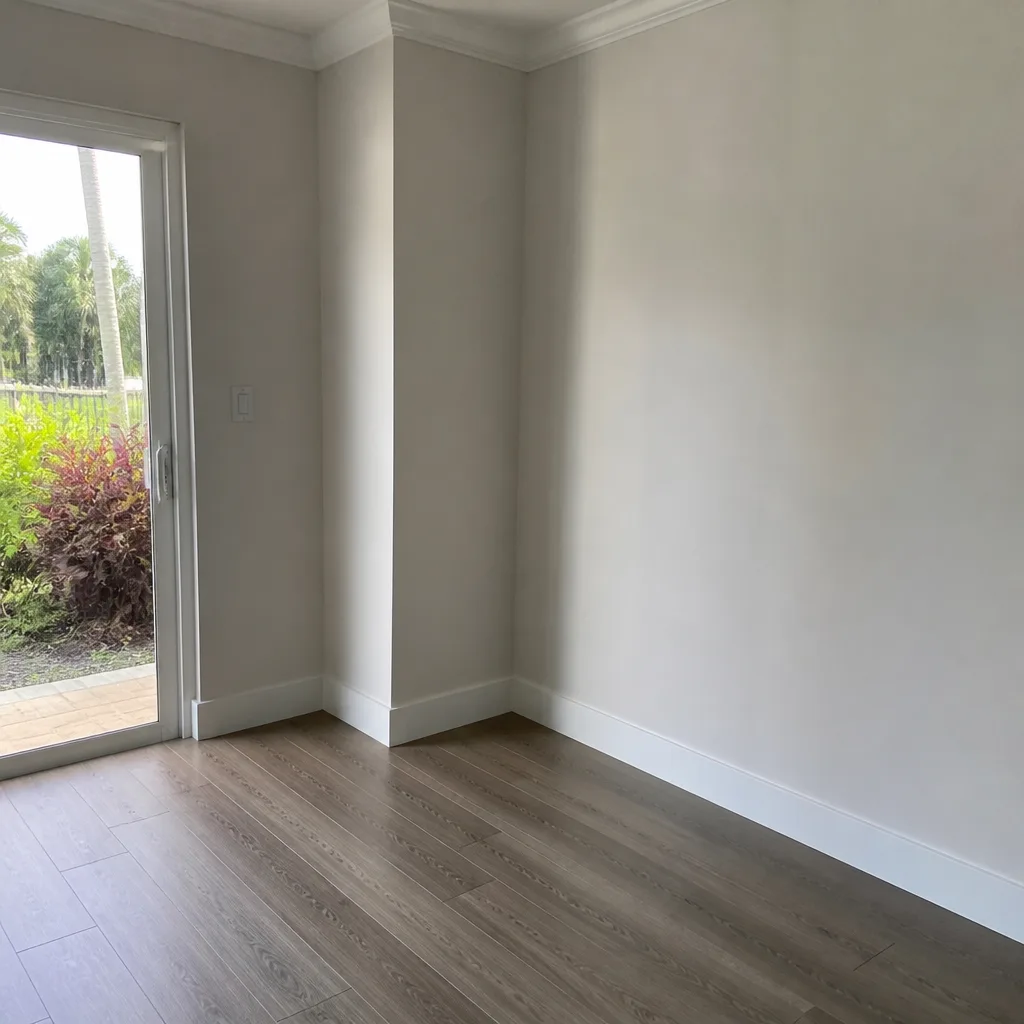
- Verification and documentation. The final step is measuring moisture content again and confirming that all affected areas are within normal ranges. This is when the psychrometric log gets its final entry, and when before-and-after photos are compiled. The job isn’t “done” until the numbers say so, not until the floor feels dry to the touch.
This process, when done properly, typically takes 3 to 5 days for a standard room. The drying equipment stays in place and running the entire time. We deploy Dri-Eaz and Phoenix LGR dehumidifiers, XPOWER and B-Air air movers, and other professional systems calibrated for Fort Lauderdale’s humidity. When we’re done, we hand you a documented paper trail that stands up to any adjuster’s scrutiny.
Common Mistakes to Avoid
- Waiting until the weekend to deal with it. In Fort Lauderdale, water damage is a same-day problem. Every 24 hours of delay adds roughly one day of drying time and increases mold risk. If water has been standing for 48 hours, assume mold spore counts are already elevated even if you can’t see it.
- Using a consumer dehumidifier in a high-humidity space. As covered earlier, consumer units can’t hit the grain depression targets needed for structural drying in South Florida air. The equipment runs, the room feels slightly less humid, and the wall cavities stay wet. This is the single most common DIY failure we see in Fort Lauderdale.
- Pulling out wet drywall without containment. Cutting out water-damaged drywall releases damp dust and potential mold spores into your home’s air. Without plastic containment and negative air pressure, you’re spreading the contamination you’re trying to remove. This is how a contained 10-square-foot problem becomes a whole-house air quality issue.
- Assuming “dry to the touch” means “dry throughout.” Drywall, wood studs, and subflooring retain moisture long after the visible surface has dried. A moisture meter reading of 15-17 percent in a wood stud may still feel dry and look fine, but that’s above the threshold for mold growth. Only a penetrating moisture meter can tell you what’s happening inside the material.
- Disposing of materials before documenting the damage. Your insurance company needs visual proof of the damage to process your claim. If you tear out soaked drywall and haul it to the curb before taking photos, you’ve destroyed evidence. Take photos before you remove anything, and keep them on your phone.
- Forgetting about the water that traveled. Water doesn’t stay where it started. A burst pipe behind a first-floor bathroom wall in a Fort Lauderdale home will typically travel: down into the subfloor, across the bottom plate of wall framing, into adjacent rooms through the gap under the baseboard, and sometimes into ceilings below on multi-story homes. DIYers dry the visible spot and miss the migration path.
- Tackling mold over 10 square feet without a license. This violates Florida Statute 489.1455 and can complicate both your insurance claim and a future home sale. If you’re looking at a mold patch larger than a standard ceiling tile, call a licensed Mold Remediation in Fort Lauderdale professional before you touch it.
When to Call a Professional
Call a restoration professional immediately if any of these apply: water has touched drywall or baseboards and more than two hours have passed; you have standing water that covers more than 10 square feet; the water is gray or black (from a toilet, dishwasher, washing machine, or any outdoor source); you smell mustiness that wasn’t there before; you see visible mold growth of any size; or your insurance company has told you to begin mitigation before they’ll process your claim. Fort Lauderdale’s climate makes all of these time-sensitive in a way that homeowners from drier climates often underestimate. Wendell Restoration Fort Lauderdale offers free estimates in Fort Lauderdale, and our team answers calls live, 24/7. For water damage, Water Damage Repair in Fort Lauderdale professionals can be at your door with commercial drying equipment on the same day you call. Reach us at (754) 354-1463 for a free estimate.
Frequently Asked Questions
You can rent commercial-grade equipment from some specialty suppliers in Fort Lauderdale, but the equipment alone doesn’t recreate a professional drying protocol. Commercial LGR dehumidifiers still need proper placement, negative air pressure management, moisture mapping to identify all affected areas, and daily psychrometric readings to know when drying is actually complete. Most rental companies won’t provide moisture meters or teach you how to read them. And if the drying log doesn’t meet the standard an insurance adjuster expects, your claim may still be challenged. The equipment is one part of a system; the training and documentation are the other parts.
Most standard water damage jobs in Fort Lauderdale take 3 to 5 days of active drying, followed by repairs if materials need replacement. The drying phase depends on the affected area’s size, the materials involved, and how long the water sat before extraction began. A clean-water event caught same-day on tile and concrete may dry in 48 to 72 hours. A multi-room event with drywall and carpet that sat overnight typically needs 4 to 5 days of drying. Structural repairs after drying add days or weeks depending on scope. Your restoration company should give you a written timeline before work begins.
Standard homeowners insurance covers sudden and accidental water damage from events like burst pipes, appliance failures, and roof leaks. It does not cover gradual damage, long-term leaks, or flood damage from rising water, which requires separate flood insurance. The key to coverage is mitigation: your policy requires you to take reasonable steps to prevent further damage. Professional restoration with documented drying logs satisfies that requirement. DIY drying with no paper trail creates an opening for the insurer to argue that additional damage was your fault. Most restoration companies, including Wendell, can work directly with your insurance company and provide the documentation they require.
Water damage restoration in Fort Lauderdale typically ranges from $1,200 to $4,500 for a single-room event, $4,500 to $12,000 for multi-room damage, and $12,000 to $30,000 or more for whole-home or black-water events involving demolition and reconstruction. These ranges cover extraction, drying, antimicrobial treatment, and basic repairs. Mold remediation adds $2,000 to $8,000 on top of drying costs. The final number depends on the affected square footage, the materials involved, and how long the water sat before treatment began. Wendell puts the price in writing before any work starts, so there’s no surprise at the end.
Most reputable Fort Lauderdale restoration companies can dispatch a crew within 2 to 4 hours of your call. Wendell Restoration Fort Lauderdale answers every call with a live person, 24/7, and provides a live arrival time you can track like a rideshare, not a vague four-hour window. In a city where traffic on I-95 and Andrews Avenue can add unpredictability to any service call, knowing exactly when your technician will arrive matters. The goal is same-day extraction and drying equipment deployment because every hour in Fort Lauderdale humidity increases the mold risk.
If water has penetrated drywall or flooring, cleaning and painting over the visible area does nothing for the moisture trapped inside the wall cavity or subfloor. That moisture will continue to support mold growth behind the paint, and you’ll be dealing with the same problem in two to six months, often with more extensive mold contamination. The same applies to visible mold: wiping it with bleach kills surface spores but doesn’t address the colony inside porous materials. The honest answer from a Fort Lauderdale restoration professional: if a moisture meter shows elevated readings inside the wall, no amount of surface cleaning will solve the problem. Full drying is the only fix.
The Bottom Line
The Fort Lauderdale DIY-versus-professional decision comes down to physics, law, and documentation. Physics: your walls hold moisture in ways South Florida’s humidity makes nearly impossible to dry with rental equipment. Law: Florida Statute 489.1455 requires a licensed remediator for mold work over 10 square feet, and your homeowner exemption runs out fast. Documentation: your insurance company wants proof of proper mitigation, and that proof is a professional drying report, not a receipt from Home Depot. For the small stuff, DIY is fine and we’ll always tell you so. For the serious stuff, call a pro who puts the price in writing before starting and shows you the numbers at the end. You can also explore more guides & resources on our blog. Wendell Restoration Fort Lauderdale does exactly that, and you can reach us anytime at (754) 354-1463.
Written by Blake Sorensen, Owner at Wendell Restoration Fort Lauderdale, serving Fort Lauderdale since 2006.
See the difference
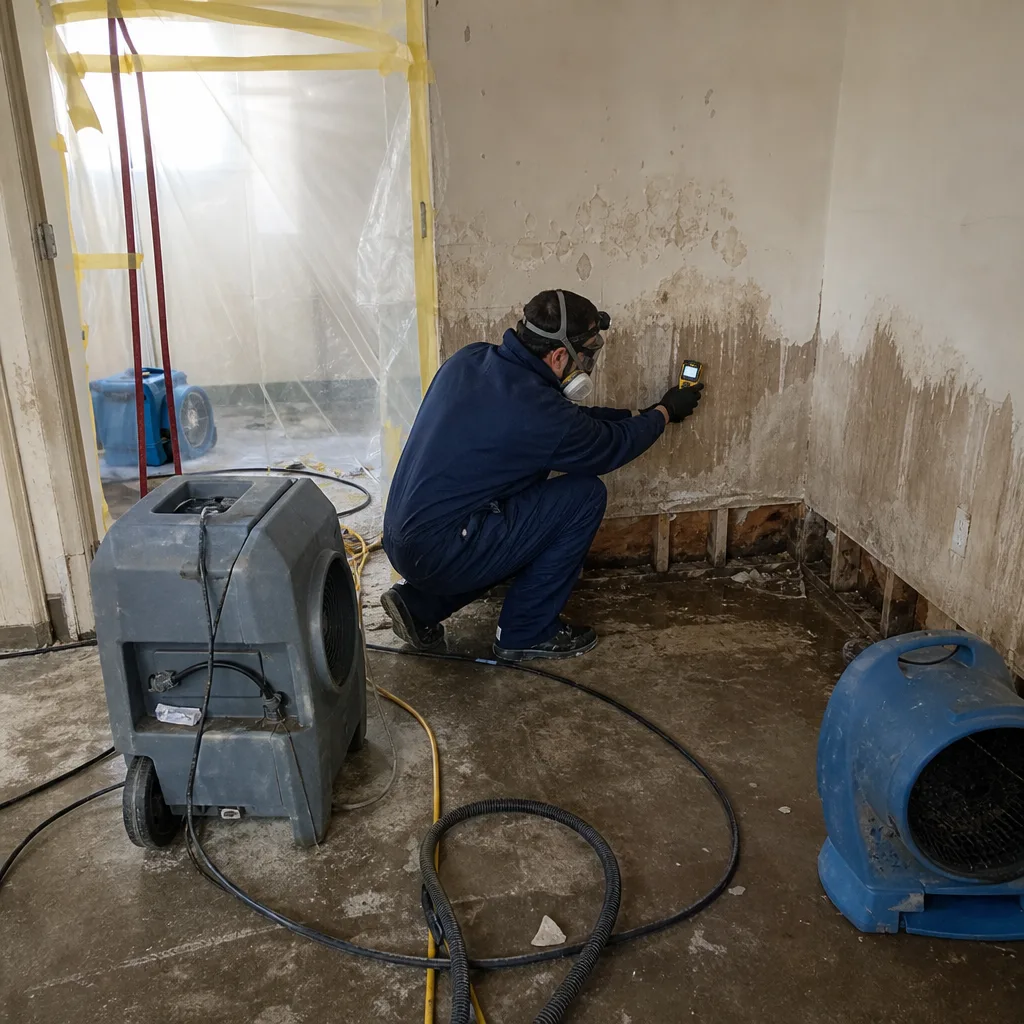 Before
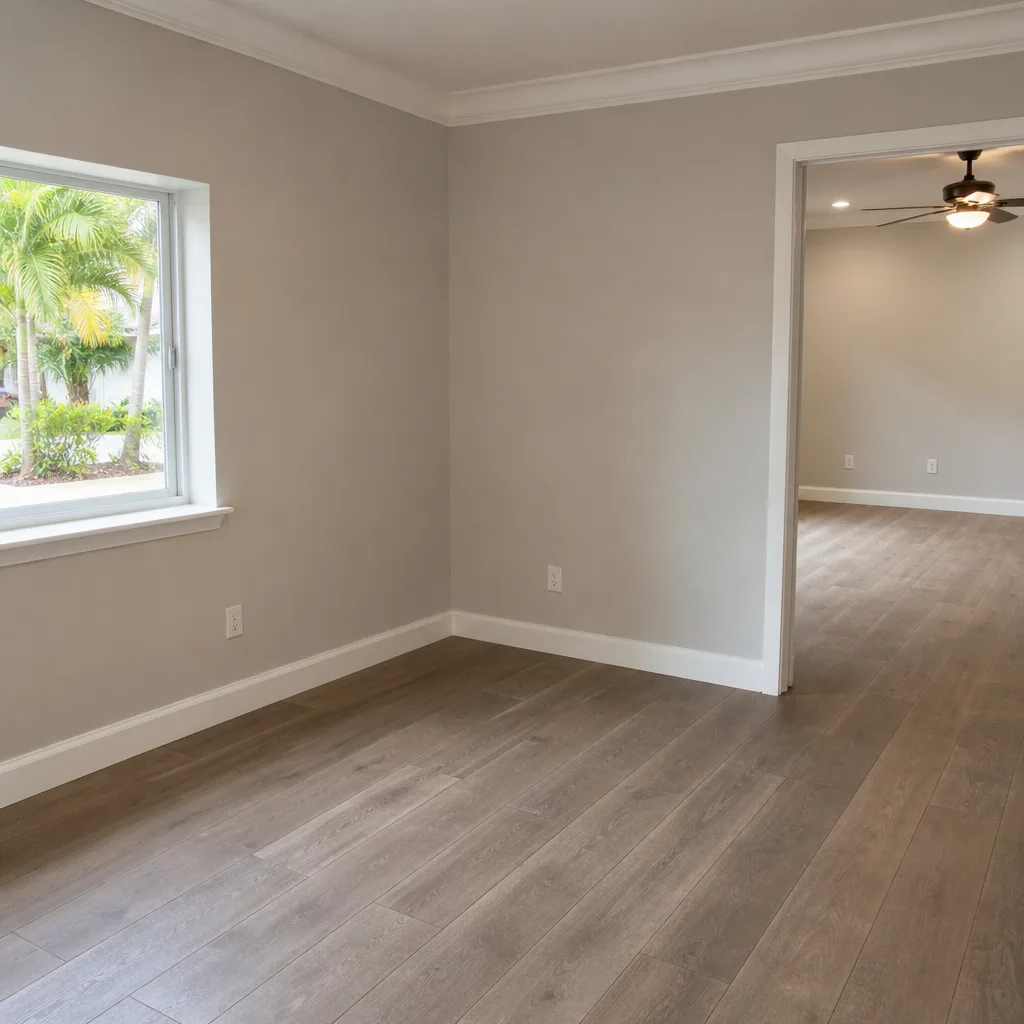 After
After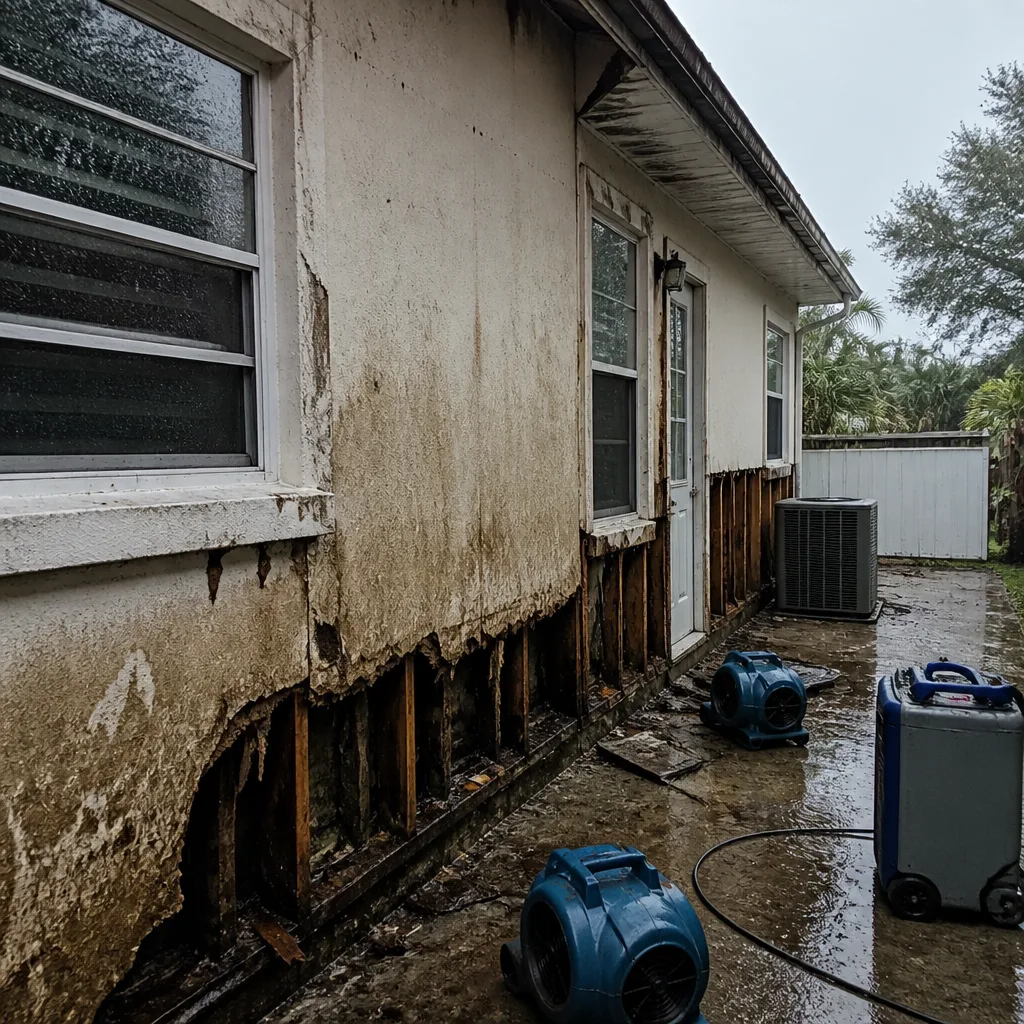 Before
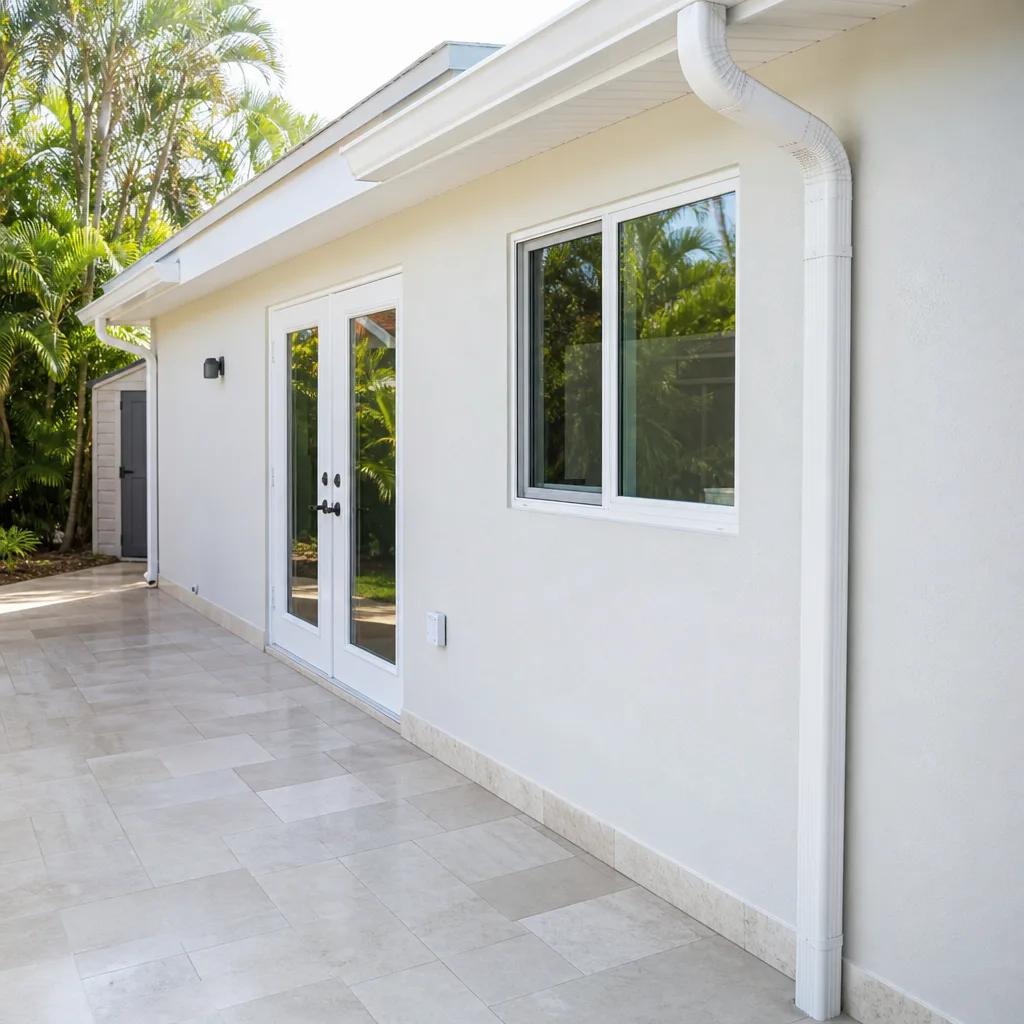 After
After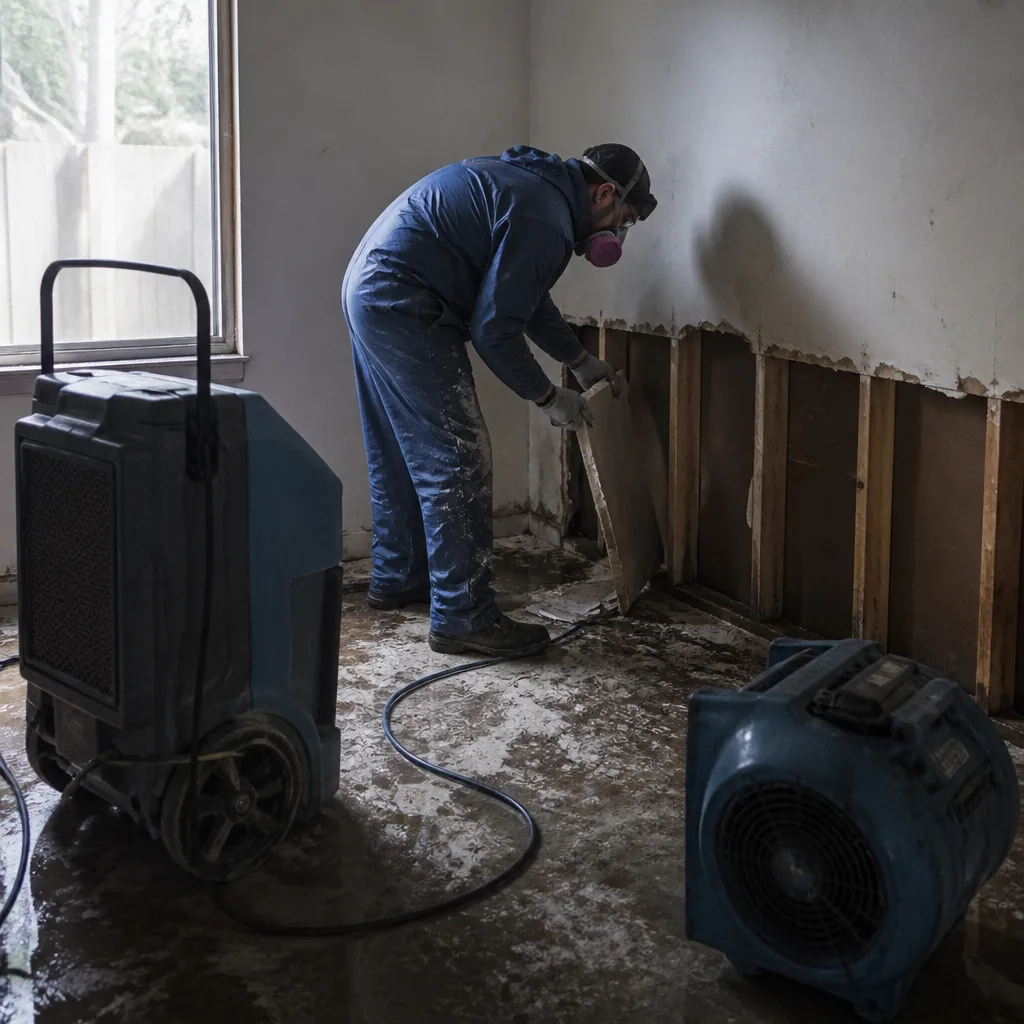 Before
 After
After