
Last updated October 16, 2026
 Water damage drying
 Fire & smoke cleanup
 Mold remediation
 Storm response
 Sewage cleanup
 Reconstruction
Free visual inspection and a written scope of work before any mitigation begins - photos, moisture readings, and drying logs go in your claim file
The scope we write is the scope we bill. Anything new gets shown to you, in writing, before we touch it.
Get your free estimateSeasonal Damage Restoration Care for Fort Lauderdale: Year-Round Homeowner’s Guide
January is Fort Lauderdale’s most underrated risk month for plumbing damage. Cold snaps drop temperatures below 40°F several nights a year, and pipes in un-insulated garages and exterior walls that have never been winterized suddenly freeze in homes built for tropical heat. Most homeowners here don’t think about freezing pipes until a wall is already soaked. This guide replaces the generic four-season maintenance calendar with a two-season framework built for South Florida: a wet season that floods from above and a dry season that cracks from thermal shock. For a deeper dive, see our Complete Guide to Damage Restoration in Fort Lauderdale. You’ll learn what to do each month, what actually matters, and what you can safely skip.
Restoration work we handle
Quick Answer
Fort Lauderdale doesn’t have four seasons. It has two damage seasons: a wet season (May through October) that brings daily thunderstorms, hurricane threats, and humidity-driven mold growth, and a dry season (November through April) that brings cool snaps, thermal expansion cracks, and hidden pipe stress. Your maintenance calendar should pivot on two dates: April 15 (wet season prep) and November 1 (dry season reset). The biggest hidden water damage source in Fort Lauderdale is your AC condensate drain line, which runs 10 to 12 months a year and overflows quietly when it clogs.
Table of Contents
- The Two-Season Framework: Why Fort Lauderdale Needs Its Own Calendar
- Wet Season Prep (April 15 Target): A 7-Step Checklist Before the First Big Storm
- The Afternoon Thunderstorm Pattern: Small Leaks, Big Cumulative Damage
- Thermal Cycling and Concrete Block: Why South Florida Caulk Fails Faster
- AC Condensate Drain Maintenance: The #1 Hidden Water Source
- Dry Season Reset (November 1 Target): Catching Thermal Damage Early
- 72 Hours After a Named Storm: What to Do Before a Restoration Contractor Arrives
- Common Mistakes to Avoid
- When to Call a Professional
- Frequently Asked Questions
- The Bottom Line
The Two-Season Framework: Why Fort Lauderdale Needs Its Own Calendar
Forget everything you’ve read about spring and fall maintenance. Those calendars were written for houses with basements, furnaces, and snowmelt. Fort Lauderdale homes sit on slab foundations, run air conditioning nearly year-round, and face water threats that come from the sky in summer and from the walls in winter. The right framework has two pivot points.
The wet season runs roughly May through October. Daily afternoon thunderstorms, tropical systems, and 70-plus percent humidity create constant, repetitive water exposure. Water intrusion during this period tends to be low-severity but frequent: a window seal that leaks during every 3 p.m. downpour, a patio door threshold that lets water seep in when wind drives rain sideways, a roof valley that dribbles during heavy squalls. None of these events is dramatic. Together, over five months, they saturate drywall, warp baseboards, and feed mold inside wall cavities.
The dry season runs roughly November through April. Rain drops off, humidity dips, and temperatures swing between warm days and cool nights. This is when water damage restoration in Fort Lauderdale calls often shift from storm intrusion to plumbing failures: hairline cracks in supply lines from thermal expansion and contraction, pinhole leaks in copper, and pipe joints that fail under pressure changes. The dry season is also when hidden wet season damage becomes visible, because lower humidity reveals staining, warping, and musty odors that high humidity masked.
Here’s the schedule that actually fits South Florida:
- April 15: Wet season prep. Inspect and seal, clear drains, service the AC drain line.
- May through October: Monthly quick checks. After every major storm, do a 15-minute walkthrough looking for wet spots, new stains, or musty smells.
- November 1: Dry season reset. Inspect for thermal damage, check pipe stress points, flush the water heater, and repair caulk that failed during wet season heat.
- December through March: Monitor cold snap forecasts. Wrap exposed pipes, drain exterior hose bibs, and know where your main water shutoff is.
This two-season rhythm eliminates the calendar clutter of northern templates and focuses your attention on the damage mechanisms that actually occur in Fort Lauderdale.
Wet Season Prep (April 15 Target): A 7-Step Checklist Before the First Big Storm
April is the month to do the work that prevents five months of slow, cumulative damage. In our experience, the homes that come through wet season with minimal issues are the ones that spent an afternoon on this checklist. Here’s the full seven-step sequence, in priority order.
- Clean and test the AC condensate drain line. Pour a cup of white vinegar or a professional-grade condensate line cleaner into the drain access point near your indoor air handler. If water backs up, you have a clog that will overflow the drip pan the moment humidity spikes. This is the single most common source of hidden ceiling and closet water damage in Fort Lauderdale.
- Inspect every window and door seal. Run a bead of paintable silicone or polyurethane caulk along any gap where trim meets stucco or concrete block. Pay special attention to east-facing windows, which catch the strongest afternoon storm winds.
- Clear gutters and downspouts, even if you have only a short run. Fort Lauderdale’s oak trees and tropical landscaping shed leaves and pollen constantly from March through May. A clogged downspout sends water directly down the wall and into the soffit instead of away from the foundation.
- Check your roof flashing and pipe boots. The rubber boot around roof vent pipes degrades in UV and heat within 5 to 7 years in South Florida. A cracked boot is a slow drip that rots the roof deck and shows up as a ceiling stain months later.
- Test your sump pump (if you have one). Pour a bucket of water into the pit and confirm the pump kicks on and discharges outside and away from the slab. Fort Lauderdale’s high water table means some homes in areas like Riverland and Sailboat Bend have sump pits that run after heavy rain even without flooding.
- Seal cracks in exterior stucco and around hose bibs. Hairline stucco cracks have a way of turning into water channels when wind-driven rain hits them at 30 mph. Fill them with an elastomeric sealant, which flexes with the building rather than cracking again.
- Document your baseline. Take photos of ceilings, walls around windows, baseboards, and under sink cabinets on your phone. When water does intrude, having a “before” photo makes it easier to prove what changed and file an insurance claim if needed.
If you do these seven things by the middle of April, you’ve removed the easiest paths for water to enter your Fort Lauderdale home during the five wettest months of the year. If you skip them, you’re rolling the dice during every single afternoon thunderstorm.
The Afternoon Thunderstorm Pattern: Small Leaks, Big Cumulative Damage
Fort Lauderdale’s signature weather pattern, the 3 p.m. thunderstorm, is a daily occurrence from June through September. These storms form when the sea breeze from the Atlantic collides with the inland breeze from the Everglades, creating a line of convection that dumps an inch or two of rain in under an hour, often with 30 to 40 mph wind gusts. Then it’s gone. The sun comes out. The pavement steams. Nothing looks wrong.
Here’s what other guides miss: these repetitive, low-severity storms cause more cumulative structural damage than a single named storm. Here’s why.
A hurricane is a one-time event. It’s severe, it’s obvious, and it triggers insurance claims, contractor visits, and immediate repairs. A daily thunderstorm is a drip that repeats. The same small gap in a window seal that leaks a teaspoon of water during one afternoon storm will leak a teaspoon again the next day, and the next, and the next. Over a 120-day storm season, that’s a quart or more of water entering the same spot. That’s enough to saturate a section of drywall, delaminate a cabinet side panel, or grow mold behind a baseboard.
The damage also hides. Afternoon storm water enters at the top of a wall and runs down inside the cavity. It doesn’t pool on the floor. It doesn’t smell right away, because humidity keeps everything damp and musty smells take weeks of sustained moisture to develop. By the time a homeowner notices a stain, the damage has been underway for weeks or months.
The fix is not complicated. It’s a commitment to a 15-minute walkthrough after any storm that drops more than an inch in an hour. Check these spots:
- Window sills and the drywall directly below windows, especially on the east and south sides
- Baseboards along exterior walls
- Ceiling corners in rooms directly under the roof deck, including closets
- The garage ceiling below any second-floor plumbing or roof penetrations
- Door thresholds where exterior doors meet the slab
If you find a wet spot, don’t wait. Use towels to dry the surface, run a fan on the area for 24 hours, and if staining persists or returns after the next storm, call Wendell Restoration Fort Lauderdale at (754) 354-1463. Repetitive leaks rarely fix themselves, and they get more expensive by the week.
Thermal Cycling and Concrete Block: Why South Florida Caulk Fails Faster
Here’s a fact that surprises homeowners new to South Florida: concrete block homes experience caulk failure around windows and doors faster than wood-frame homes in northern climates. The mechanism is thermal cycling.
Concrete block expands and contracts with temperature changes. During the Fort Lauderdale dry season, daytime highs in the upper 70s to low 80s give way to nighttime lows in the 50s, and occasionally the 40s. That’s a 25 to 35 degree daily swing, repeated across 150 dry season nights. Concrete moves with these changes. Caulk, even high-quality silicone, has a finite flex tolerance. Over thousands of expansion and contraction cycles, caulk beads separate from the substrate, hairline by hairline. The bond fails, the gap opens, and the next rainstorm finds it.
In wood-frame homes up north, the same caulk would last longer because wood expands less with temperature and the structures are designed for different movement patterns. In Fort Lauderdale, a window that was sealed in January might show a hairline separation by August. Not because the caulk was applied wrong, but because the wall moved under it.
What this means for your maintenance calendar:
- Inspect window and door perimeter caulk twice a year: once in April before wet season, once in November before dry season temperature swings begin.
- Use high-quality polyurethane or hybrid polymer caulk, not acrylic latex. Acrylic caulk is too rigid for concrete block movement and will crack within one season.
- When re-caulking, cut out the old bead completely before applying new. A new bead over failed caulk will fail within months.
- Check the caulk joint between the window frame and the stucco, and the joint between the door threshold and the slab. These are the two highest-failure zones in Fort Lauderdale homes.
This is also the least exciting maintenance item on the list. It’s easy to skip. But on days when a winter front blows through with rain and wind, failed caulk is the difference between a dry wall and a wet one.
AC Condensate Drain Maintenance: The #1 Hidden Water Source
If there’s one paragraph in this guide to pay the most attention to, it’s this one. In Fort Lauderdale, air conditioners run 10 to 12 months a year. That’s not the case anywhere else in the continental United States. The same AC unit that produces 10 to 20 gallons of condensate water per day during humid summer months is running nearly continuously year-round. All that water flows through a 3/4 inch PVC drain line that, without regular cleaning, clogs with algae, mold, and dust.
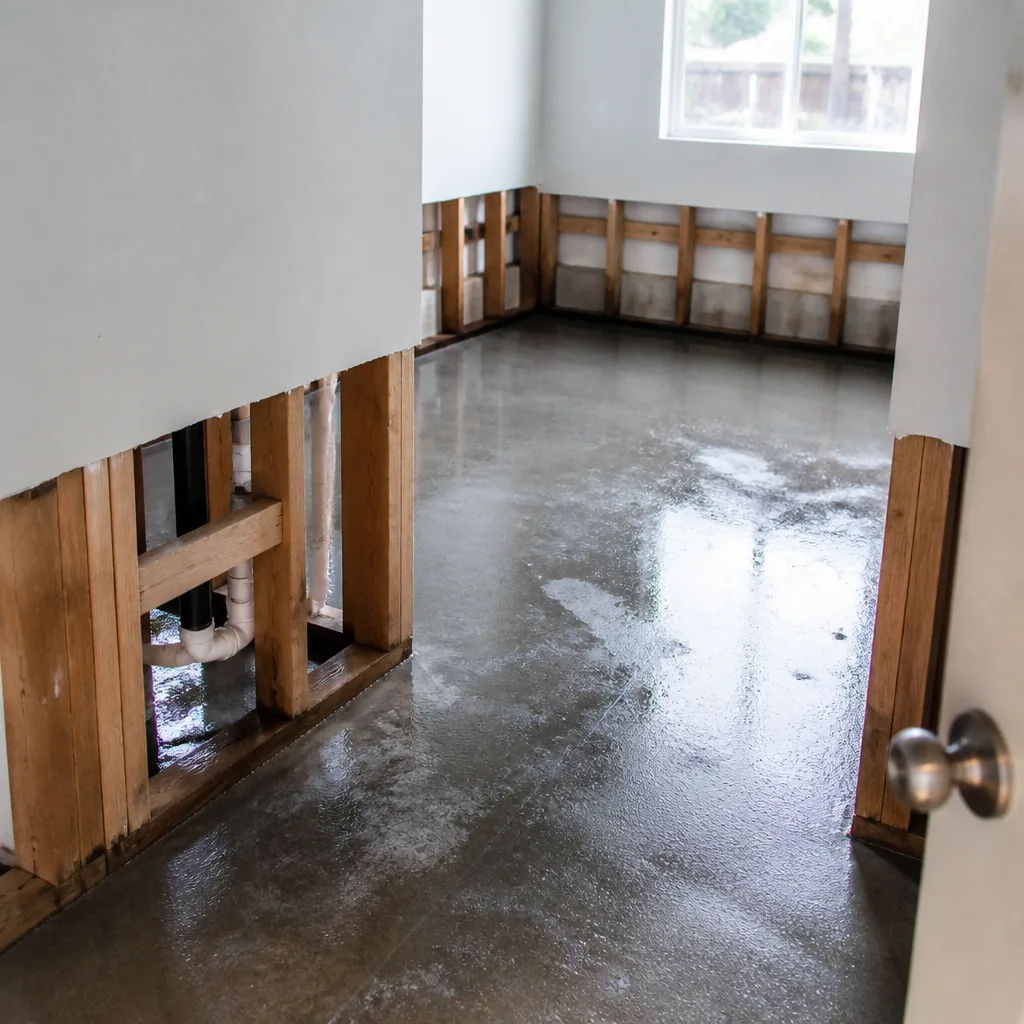
The clogged condensate line is the number one hidden water damage source in Fort Lauderdale homes. Typically, the line clogs slowly. The drain pan under the air handler (often in a closet, attic, or utility room) fills with water. The overflow doesn’t trigger a dramatic event. It soaks the ceiling below, or the wall behind the closet, or the floor around the utility room door. Water finds the lowest point and sits there. Drywall wicks it. Mold follows.
Here’s the maintenance schedule that works for a system running year-round:
- Once every 2 months: Pour one cup of white vinegar or a condensate line cleaning solution into the drain line access point. Vinegar dissolves the algae biofilm before it becomes a blockage.
- Once every 6 months: Inspect the drain pan under the indoor air handler. It should be dry. If there’s standing water, the line is partially clogged and needs a deeper clean or a professional clear.
- Annually (ideally in March, before peak AC season): Have an HVAC technician perform a full drain line flush with compressed air or nitrogen, and check the drain pan for cracks. Cracked drain pans fail suddenly and dump the full pan volume onto whatever is below.
- If you notice the AC running longer than usual, or you hear dripping inside a wall cavity, or you see a water stain on a ceiling below the air handler: Turn off the AC and call a professional. The longer water sits, the more expensive the repair.
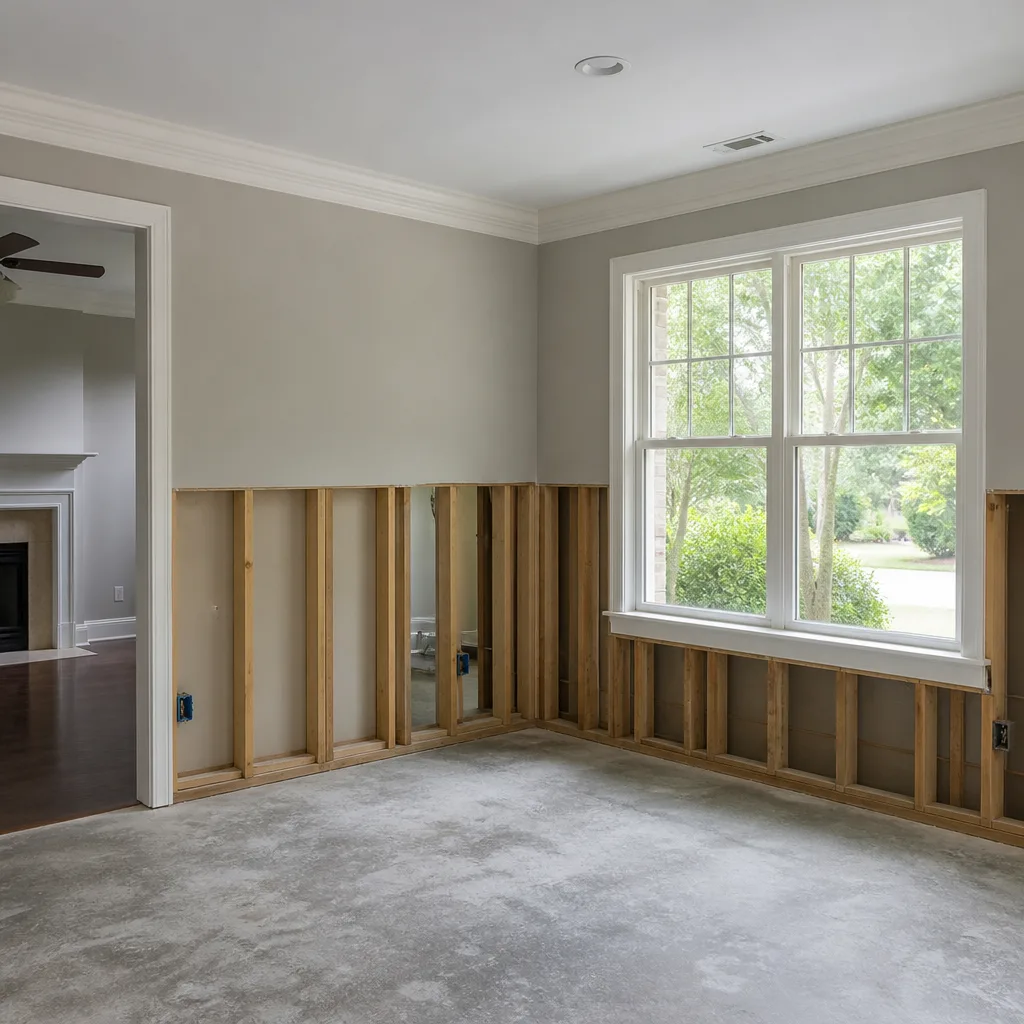
This is also a case where water damage repair in Fort Lauderdale gets more complicated the longer it waits. A small ceiling stain from a pan overflow can be dried, treated, and repainted in two days if caught early. A soaked ceiling cavity that’s been wet for three weeks often needs drywall removal, insulation replacement, and antimicrobial treatment before drying even matters.
Dry Season Reset (November 1 Target): Catching Thermal Damage Early
November is the inflection point in Fort Lauderdale’s damage calendar. The daily storms have stopped, humidity has dropped, and the first real cool fronts are starting to push through. This is the month to survey what wet season did to your house and prepare for the cold snaps that come between December and February.
Start with a whole-home visual inspection. The lower humidity of November makes water stains, musty smells, and warped materials easier to detect than they were in September. Walk every room and check:
- Ceilings for yellowish or brownish rings around light fixtures and corners
- Baseboards for swelling, warping, or paint bubbling
- Window sills and frames for soft spots or staining
- Under every sink for signs of a slow drip, rust, or cabinet delamination
- The garage floor for water tracks that indicate where wet season rain came in under the door
Then turn your attention to cold weather prep. Fort Lauderdale experiences several nights per winter where temperatures drop below 45°F, and every few years, below 40°F. Homes here are not built for those temperatures. Pipes in un-insulated garages, exterior walls, and attics are vulnerable, especially in older homes in neighborhoods like Victoria Park, Poinsettia Heights, and Rio Vista that predate modern insulation requirements.
Your dry season pipe checklist:
- Locate your main water shutoff valve. If a pipe does freeze and burst, the time it takes to find the shutoff valve is the difference between a soak and a flood. Know where it is before you need it.
- Insulate pipes in unconditioned spaces. Foam pipe insulation sleeves cost a few dollars per 6-foot section and fit most residential pipes in under an hour. Focus on pipes in the garage, any pipes in exterior walls you can access, and pipes running through the attic.
- Drain exterior hose bibs and disconnect hoses. A hose left connected to a bib can freeze and push the ice plug back into the wall pipe, causing a split that doesn’t leak until the ice thaws.
- When a cold snap is forecast, open cabinet doors under kitchen and bath sinks at night. This lets warm indoor air circulate around the pipes. It’s a simple trick that has saved thousands of Florida homes from frozen supply lines.
- Check the water heater. Flush it annually (November is the right time) to remove sediment that accelerates tank corrosion. Sediment buildup is the leading cause of rust-related tank failures, and tank failures are never convenient.
November is also the right month to schedule any mold remediation in Fort Lauderdale that wet season revealed. Mold growth slows in dry season, but it doesn’t die. If you noticed a musty smell in a closet or a dark patch on a wall during September and October, dry season is the time to address it, before spring humidity reactivates the spores.
72 Hours After a Named Storm: What to Do Before a Restoration Contractor Arrives
When a named storm passes through Broward County, the first 72 hours are critical. Water that sits in drywall, insulation, and flooring for more than three days creates the conditions for mold growth, and the damage expands quickly. Here’s the actionable checklist for the window between the storm passing and a restoration contractor arriving.
- Document everything before touching anything. Take photos and video of every wet area, every stain, every piece of damaged property. This is your insurance record. Do it before you move furniture or start cleanup.
- If water is pooling, stop the source if you can do so safely. If it’s coming from a roof leak, place buckets. If it’s coming from a plumbing failure, shut off the water at the main. Do not enter standing water in a room where the electrical outlets are below the water line.
- Cut power to affected areas. If water has reached outlets, switches, or appliances, trip the breaker to those circuits. Water and live electricity don’t mix, and drywall that looks dry can still be conducting current below the surface.
- Remove standing water with a wet/dry vac. If the water is less than 2 inches and you have access to a wet/dry vac, remove what you can. This is the single most effective thing a homeowner can do to limit damage before professional equipment arrives.
- Move furniture, rugs, and belongings off wet floors. Lift what you can, slide plastic sheeting or aluminum foil under furniture legs to prevent water wicking up into wood, and move rugs to a dry area if possible.
- Open windows and run fans if the outside humidity is lower than inside. In Fort Lauderdale’s post-storm environment, the outside air is often as humid as inside, so this only helps if the air outside feels drier. If it doesn’t, skip this step. Running fans without dehumidification in a high-humidity environment just moves moisture around.
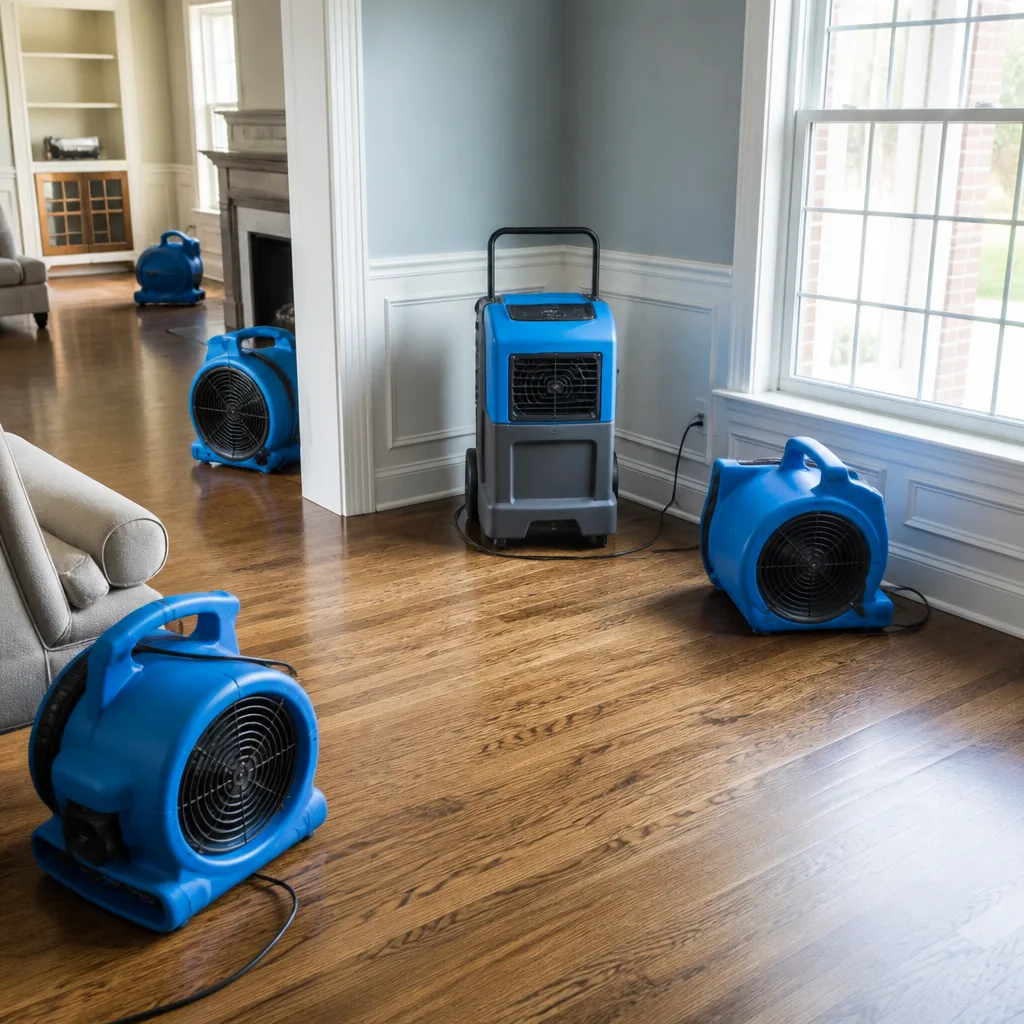
- Call a professional restoration company. If water has penetrated drywall, soaked carpet padding, or entered wall cavities, the drying process requires professional equipment: commercial dehumidifiers, high-volume air movers, and psychrometric monitoring. This is not a box fan and time situation.
Beware one specific Fort Lauderdale pitfall: the visible surface dries fast in the sun and breeze after a storm passes. The drywall feels dry. The tile feels dry. But the wall cavity behind the drywall is still holding moisture, and that moisture is doing damage you can’t see. This is exactly why Wendell Restoration Fort Lauderdale home uses psychrometric drying (tracking the air’s moisture level so we know when your home is truly dry, not just surface-dry) with professional-grade equipment from Dri-Eaz and Phoenix. The tools tell us when the cavity is dry, not just the surface.
Common Mistakes to Avoid
- Treating every water stain as a one-time event. A stain that appears after a storm and fades is a leak that’s still there. It will come back. Until the entry point is fixed, the stain is just a symptom.
- Using a household fan to dry a wall after water intrusion. A box fan moves air across the surface. It does not pull moisture from inside a wall cavity. In Fort Lauderdale’s humidity, surface-drying without dehumidification can make things worse by creating a warm, moist environment inside the wall.
- Running the AC with a clogged condensate line. The AC doesn’t stop working when the drain line clogs. It keeps producing water, the pan keeps filling, and the overflow keeps soaking whatever is below. Check the drain line before the problem becomes a ceiling collapse.
- Waiting until a cold snap is forecast to buy pipe insulation. When the forecast calls for 38°F, every hardware store in Broward County sells out of foam pipe sleeves. Buy them in November, not January.
- Ignoring small caulk failures around windows because “it’s just a hairline gap.” A hairline gap is exactly the size that wind-driven rain can penetrate. Small gaps become big water bills.
- Skipping the pre-season photo documentation. After a big storm or a pipe burst, having “before” photos is the difference between an insurance claim that gets approved quickly and one that gets questioned. Take the photos in April before the storms start.
- Assuming mold will go away when it dries out. Mold spores go dormant in dry conditions. They don’t die. When humidity returns, the growth resumes. Dry is not the same as remediated.
When to Call a Professional
Some things are homeowner-scale. Caulking a window, cleaning a condensate line, and insulating a pipe are weekend projects. Other things are not. Call a professional restoration company if water has penetrated drywall or entered wall cavities, if you see mold growth larger than about 10 square feet, if a ceiling is sagging or staining from a roof leak or an air handler overflow, or if a pipe has burst inside a wall or the slab. These scenarios require commercial drying equipment, moisture mapping, and antimicrobial treatment that a homeowner cannot do correctly with towels and a fan. Wendell Restoration Fort Lauderdale offers free estimates in Fort Lauderdale. Call (754) 354-1463 and a live person will answer, 24/7, not a voicemail queue. We’ll put the price in writing before any work starts, send a technician with a live arrival time you can track, and text before-and-after photos so you can verify the job was done right.
Frequently Asked Questions
Fort Lauderdale has a wet season from May through October, marked by daily afternoon thunderstorms and hurricane threats, and a dry season from November through April, marked by lower humidity, cool snaps, and thermal expansion damage. Prep for wet season by April 15 and for dry season by November 1.
The AC condensate drain line is the most common hidden water damage source, because air conditioners run 10 to 12 months a year in South Florida and drain lines clog with algae and dust, causing drain pan overflows that soak ceilings and walls. Clean the line every 2 months and inspect the drain pan every 6 months.
Inspect and re-caulk twice a year, in April before wet season and in November before dry season temperature swings. Concrete block expands and contracts with daily temperature changes, causing caulk to fail faster than in wood-frame homes, especially during the dry season’s 25 to 35 degree daily swings.
Document everything with photos, stop the water source if safe, cut power to wet areas, remove standing water with a wet/dry vac, move furniture and rugs off wet floors, and call a professional restoration company if drywall or wall cavities are wet. Surface-drying alone is not enough in Fort Lauderdale’s post-storm humidity.
No. Mold spores go dormant when conditions dry out, but they reactivate when humidity returns. Dormant mold is not dead mold. Proper mold remediation requires removing the affected material or treating it with antimicrobial solutions, then verifying that moisture levels in the wall cavity are within safe ranges.
Minor repairs like replacing a section of water-stained drywall or re-caulking windows typically run $300 to $800. Moderate repairs like drying a wall cavity after a pan overflow or fixing a repetitive window leak typically run $1,200 to $3,500. Extensive repairs like full mold remediation, ceiling replacement, or post-hurricane restoration typically run $5,000 to $15,000 or more. See our Damage Restoration Cost Breakdown: The Fort Lauderdale Homeowner’s Reference for 2026 for detailed pricing. Call (754) 354-1463 for an exact quote. Estimates are free, and the price is put in writing before any work starts.
The Bottom Line
Fort Lauderdale homeowners need a maintenance calendar that matches the actual damage mechanisms of this city, not a generic four-season template from up north. The two-season framework, wet season prep by April 15 and dry season reset by November 1, covers the risks that actually exist here: repetitive afternoon storm intrusion, thermal cycling caulk failure, AC condensate overflows, and cold snap pipe stress. The homeowner who does these tasks on schedule will catch small problems before they become restoration projects. The one who waits will discover water damage the hard way: a ceiling stain, a warped baseboard, or a musty smell that won’t go away. For more guides & resources, visit our blog. Either way, Wendell Restoration Fort Lauderdale answers the phone 24/7 at (754) 354-1463 with a written price before any work starts and a 365-Day Done Right Promise on every repair.
Written by Blake Sorensen, Owner at Wendell Restoration Fort Lauderdale, serving Fort Lauderdale since 2006.
See the difference
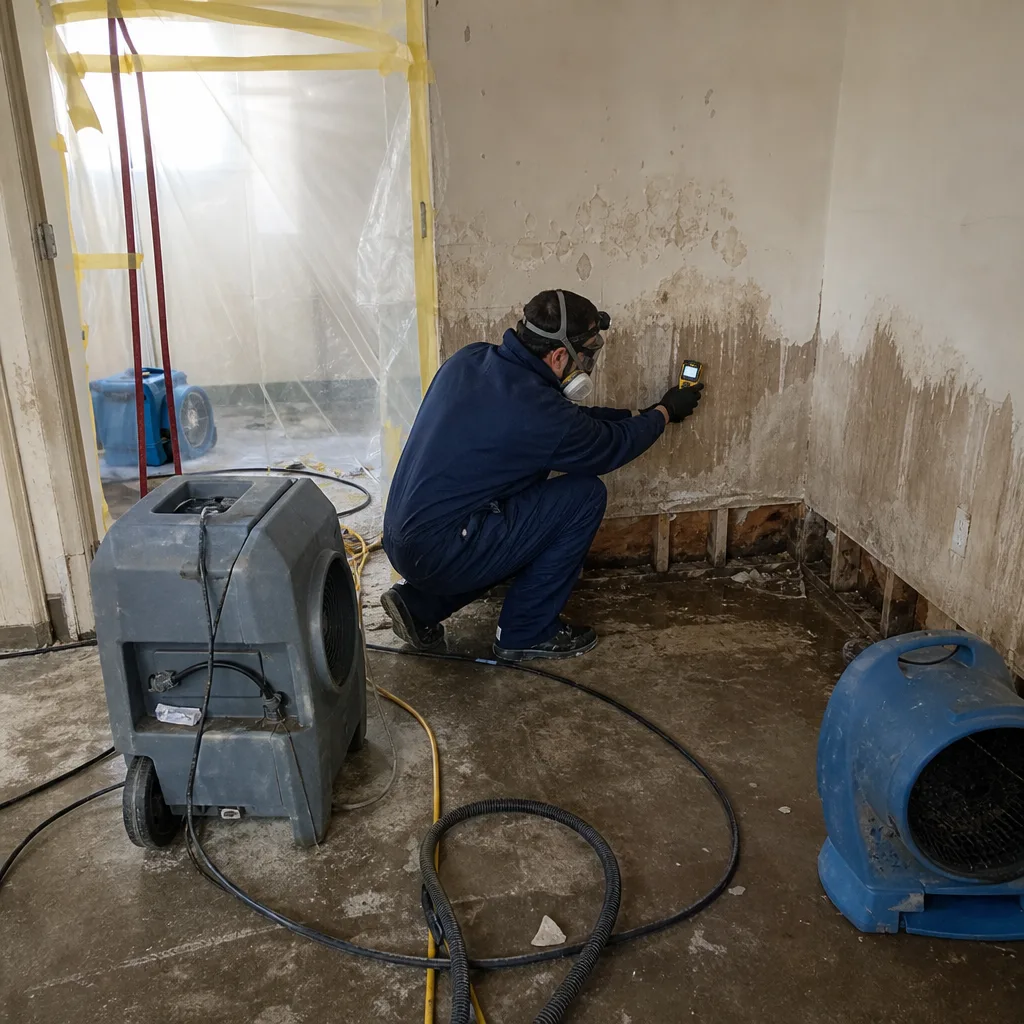 Before
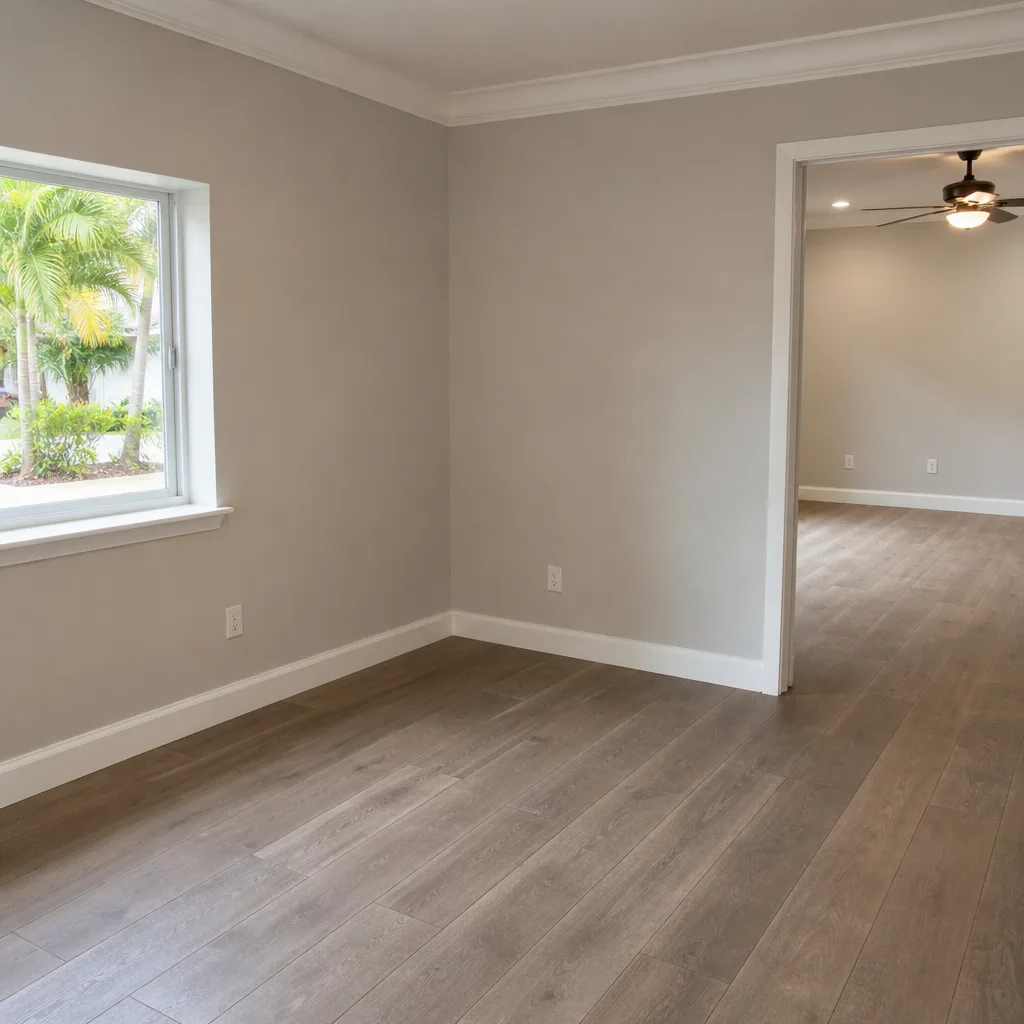 After
After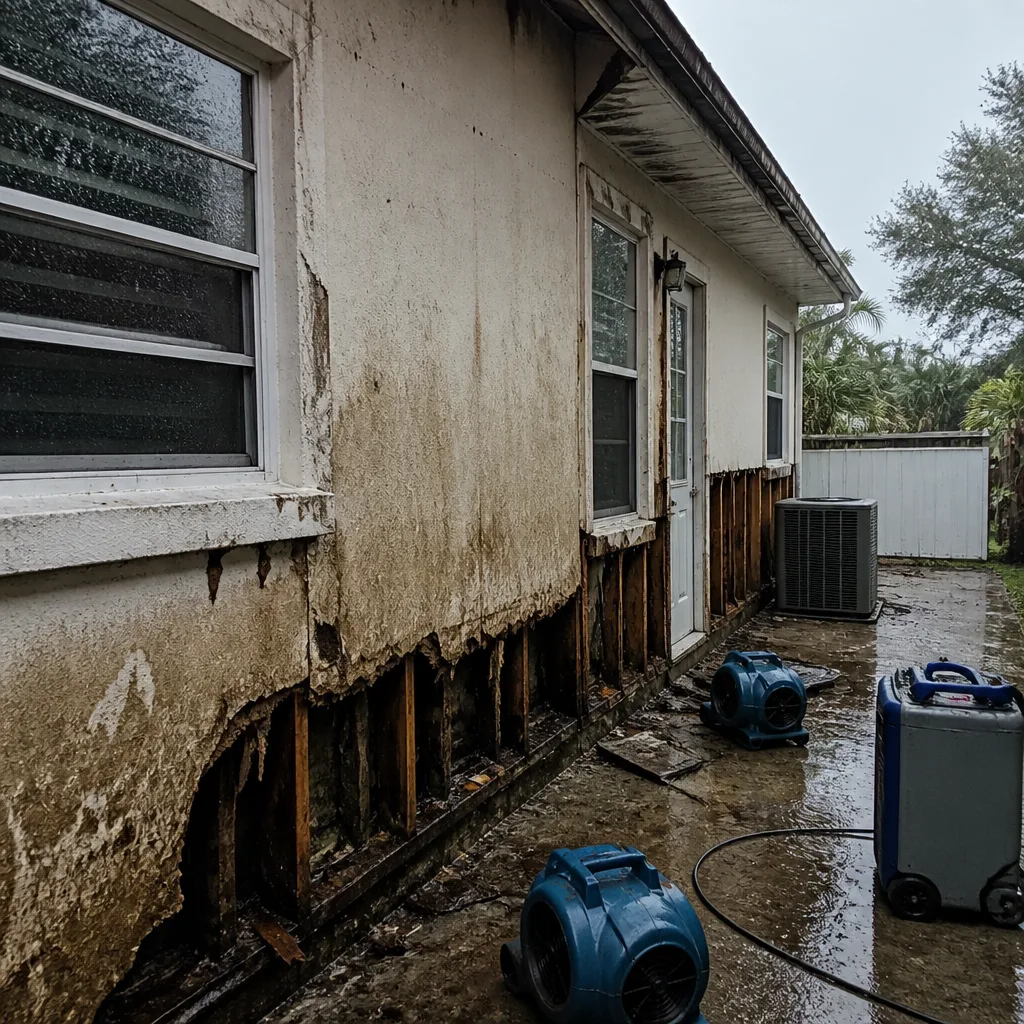 Before
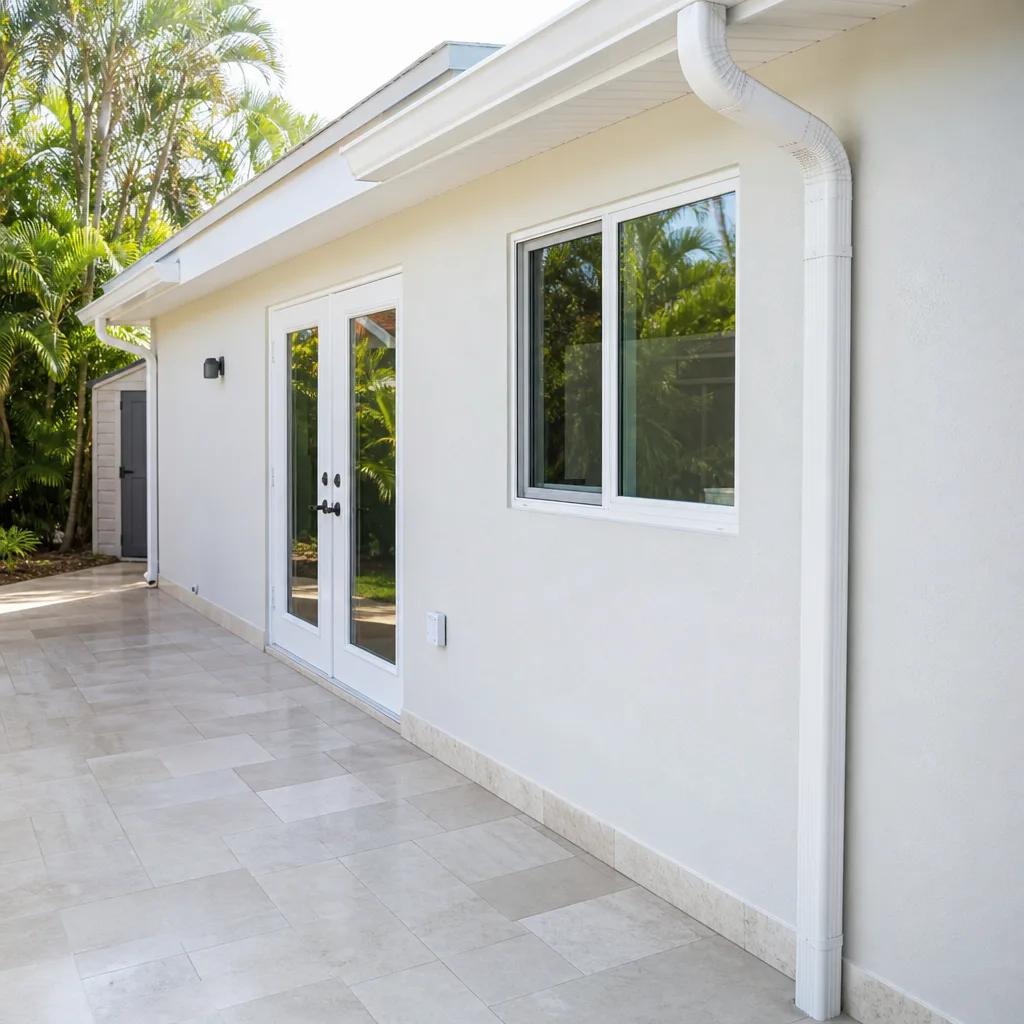 After
After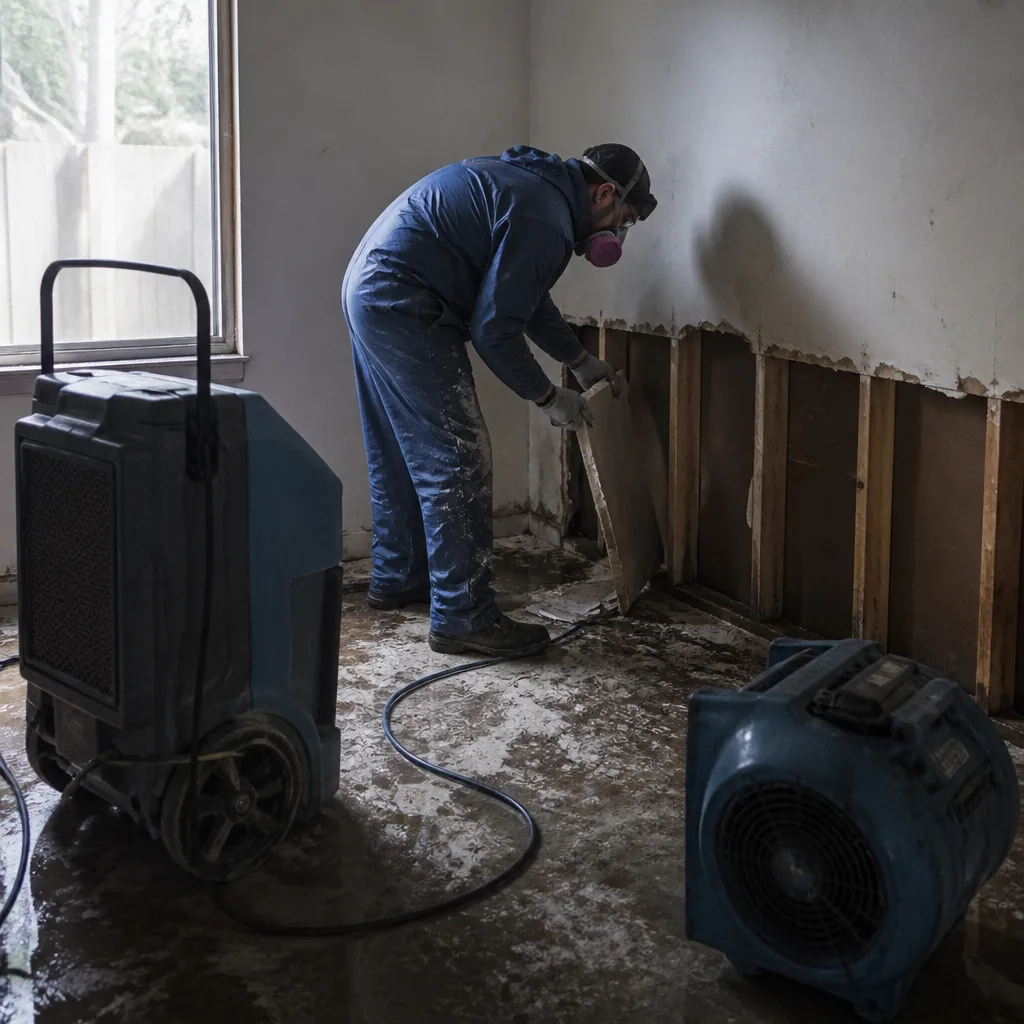 Before
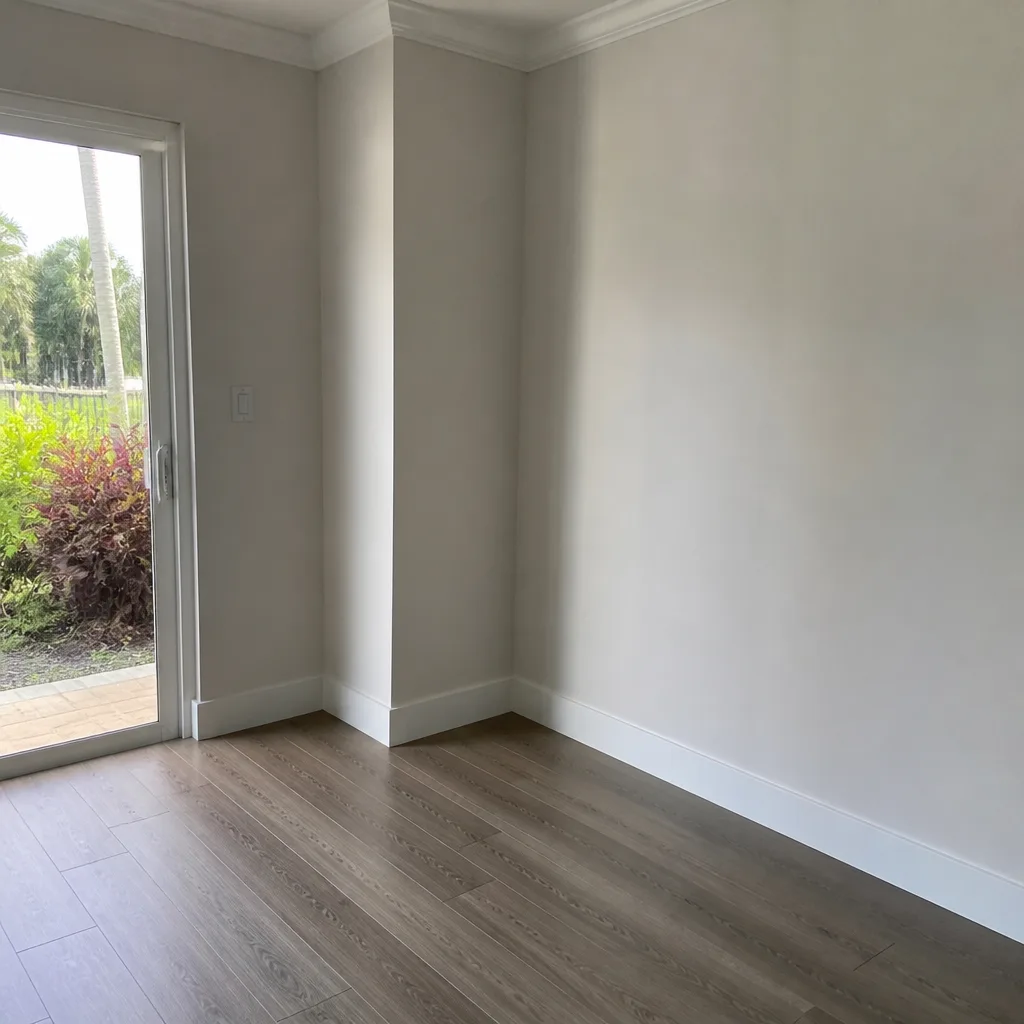 After
After