
Last updated October 16, 2026
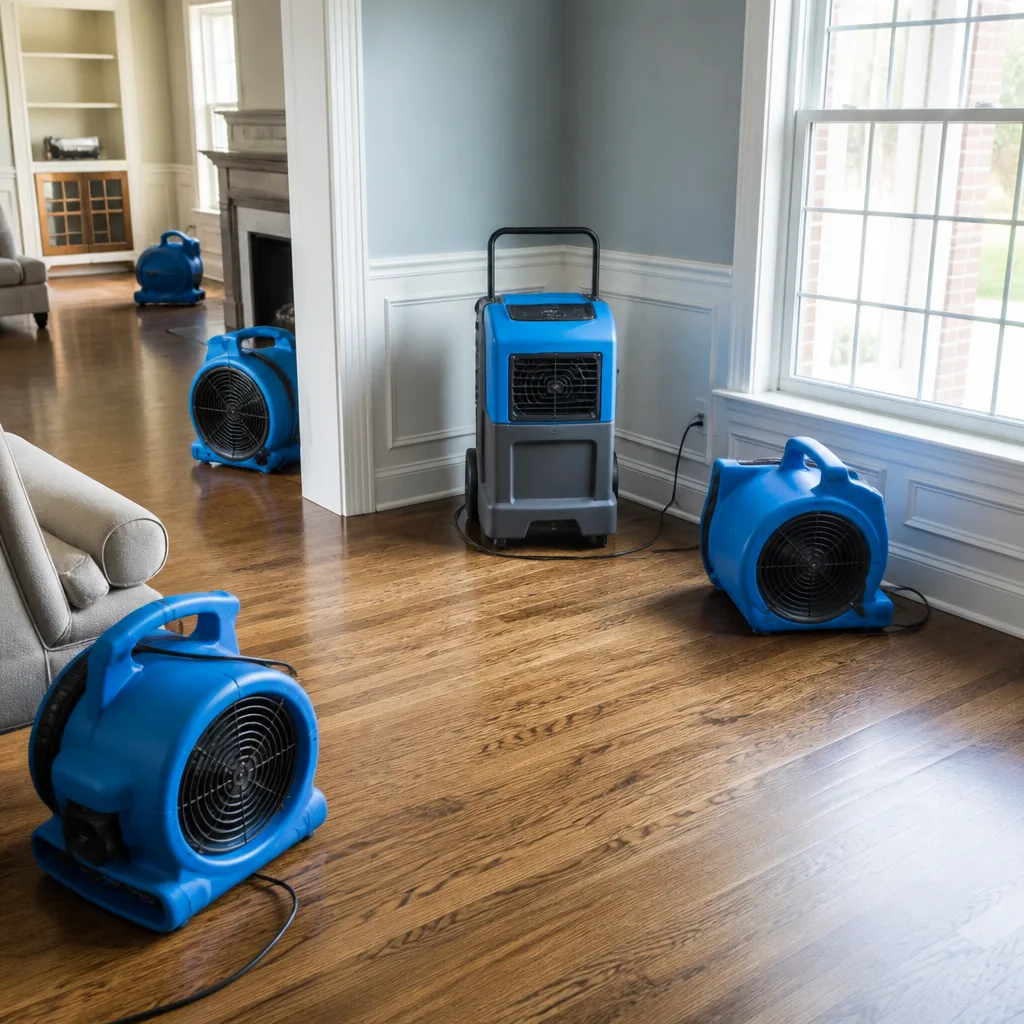 Water damage drying
 Fire & smoke cleanup
 Mold remediation
 Storm response
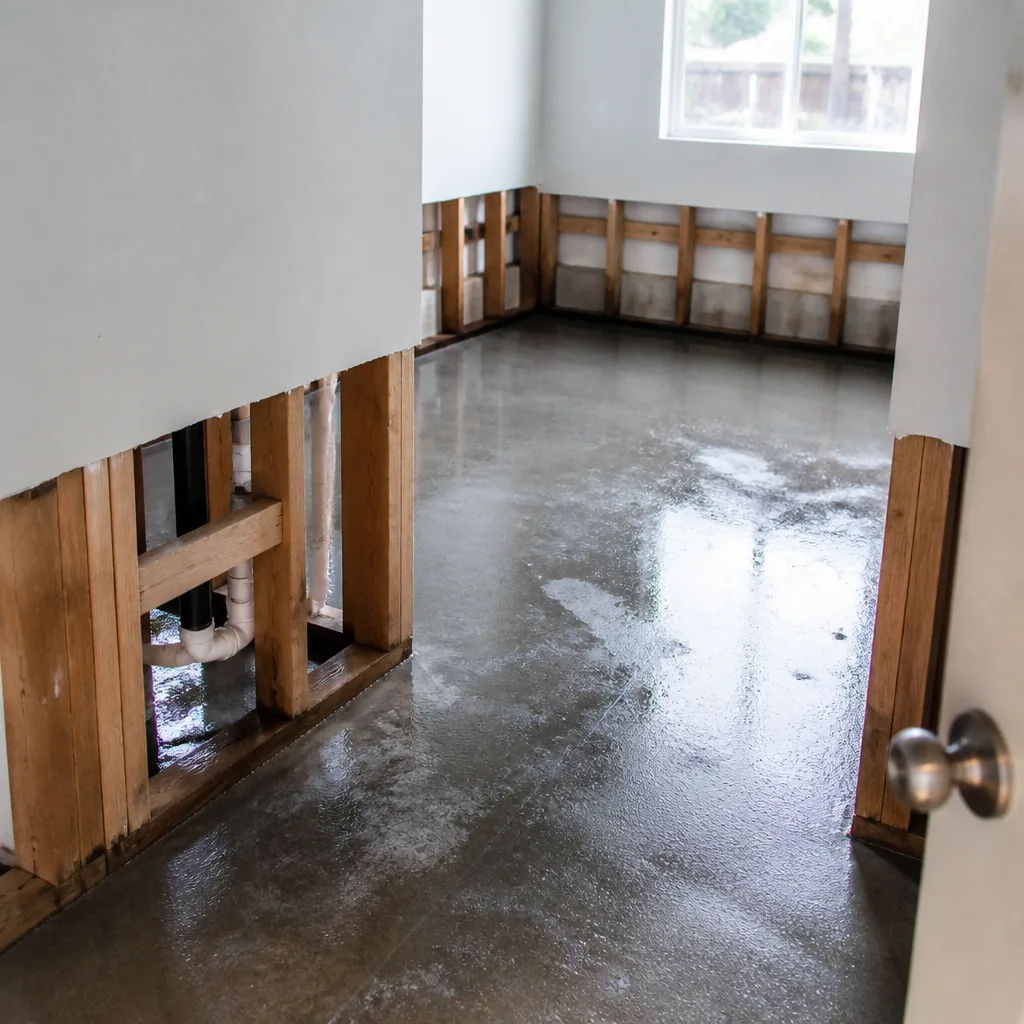 Sewage cleanup
 Reconstruction
Free visual inspection and a written scope of work before any mitigation begins - photos, moisture readings, and drying logs go in your claim file
The scope we write is the scope we bill. Anything new gets shown to you, in writing, before we touch it.
Get your free estimateWater Damage Restoration Maintenance Checklist for Fort Lauderdale Homeowners
A slow roof leak in Fort Lauderdale can grow mold within 48 hours, not the 72-hour window cited in most national guides, because South Florida’s indoor humidity rarely drops below 60% even with air conditioning running. That changes the math on every maintenance decision you make. This guide gives you the specific moisture readings, calendar dates, and inspection points that matter in Broward County, so you catch water problems before they turn into restoration jobs. We’ll walk through what to check, when to check it, and the exact numbers that tell you whether to keep an eye on something or make the call.
Quick Answer
Fort Lauderdale homeowners should run a water damage prevention checklist twice a year: once in April before the wet season starts, and once in November after it ends. The most important checks are moisture meter readings below 17% at baseboards and under sinks, quarterly inspection of reclaimed water irrigation valves, roof inspection every May and October, and photo documentation of dry-wall and flooring conditions twice a year. Any reading above 20% moisture at a baseboard or under a sink means you likely already have an active leak and should call a professional.
Restoration work we handle
Table of Contents
- Why Fort Lauderdale’s Weather Calendar Changes Everything
- The Moisture Meter Readings That Matter (And the Numbers to Watch)
- The Month-by-Month Maintenance Calendar
- Flat and Low-Slope Roof Inspections Before Every Rainy Season
- Reclaimed Water Irrigation: Fort Lauderdale’s Overlooked Slab Leak Source
- Photo Documentation: Building Your Insurance Baseline
- The Five Most Common Moisture Sources in Fort Lauderdale Homes
- Common Mistakes to Avoid
- When to Call a Professional
- Frequently Asked Questions
Why Fort Lauderdale’s Weather Calendar Changes Everything
Most maintenance checklists are written for houses in Ohio or Georgia, where winter freezes pipes and spring brings rain. Fort Lauderdale doesn’t work that way. We have two seasons: a dry season from November through April and a wet season from May through October. The wet season isn’t just rainy, it’s relentless. Afternoon thunderstorms drop an inch or two of rain in under an hour, and the humidity hovers between 70% and 90% for months at a time. Your home’s building materials absorb moisture from the air itself, not just from leaks.
That’s why timing matters. You want to do your heavy inspections at two points: late April, before the daily downpours start, and early November, after the last tropical system has cleared out. The April check is about finding vulnerabilities before they get tested. The November check is about finding damage that happened during the wet season and hasn’t dried out yet. If you only do one inspection a year, make it the November one, because that’s when you’ll catch slow leaks that have been feeding on summer humidity for months.
Air conditioning changes things too. Your AC pulls moisture out of indoor air, but in a Fort Lauderdale summer it’s fighting a constant battle. When indoor relative humidity stays above 60%, mold that normally takes 72 hours to establish itself can get going in 48 hours or less. The national mold prevention guidelines assume 50% indoor humidity. Most Broward County homes run higher than that, even with a properly sized AC system. We’ve seen mold blooms behind baseboards that started from condensation alone, no plumbing leak at all.
This is why our Water Damage Restoration in Fort Lauderdale team thinks about prevention differently than a national franchise would. It’s not just about finding leaks. It’s about managing the moisture your home absorbs from the air every single day, especially in the older neighborhoods like Victoria Park, Rio Vista, and Coral Ridge where the housing stock was built before modern moisture barriers became standard.
The Moisture Meter Readings That Matter (And the Numbers to Watch)
You don’t need to be a water damage pro to take useful moisture readings. A basic pin-type moisture meter costs $30 to $60 at any hardware store or online. The readings you get from it are more useful than anything you’ll learn from looking at a wall or touching a floor. Here’s what to measure, how often to measure it, and what the numbers mean.
What to Measure and When
Take readings at these ten spots, twice a year (April and November), and write them down in a simple log:
- Baseboards near every exterior door – exterior door thresholds are the most common entry point for wind-driven rain in Fort Lauderdale.
- Baseboards in bathrooms – especially behind the toilet and along the wall where the shower head is mounted.
- Under every sink – the cabinet floor directly beneath the P-trap and the shutoff valves.
- Around the AC air handler – the wall or ceiling surface immediately around the unit, and the floor under it if it’s a closet installation.
- Behind the washing machine – the wall surface behind the supply lines and drain.
- Around sliding glass doors – the track area and the wall surface on either side.
- Ceilings directly below bathrooms – if you have a two-story home, check the first-floor ceiling under every upstairs bathroom.
- Walls adjacent to your water heater – the wall surface within two feet of the tank.
- Garage walls shared with the house – especially if your garage is not air conditioned.
- Any wall with a window – the surface below the window sill, where condensation tends to run down.
The Numbers That Matter
- 0% to 16%: Normal for interior drywall and wood in an air-conditioned Fort Lauderdale home. No action needed.
- 17% to 20%: Elevated. You have a moisture source nearby or high ambient humidity in that area. Check the spot again in two weeks. If it stays elevated, start looking for the source: a small leak, a condensation problem, or a blocked AC drain line.
- 21% to 29%: Active moisture problem. This is where mold starts to grow within days, not weeks. You likely have a leak. Stop using the water source in that area (sink, shower, washing machine) and call a professional to trace it.
- 30% or higher: Saturated. You have an active, ongoing water source feeding that spot. This is an active water damage event. Shut off the water to that fixture or area if you can, and call for Water Damage Repair in Fort Lauderdale immediately.
One thing to understand: these numbers assume the meter’s pins are inserted into the material you’re testing. We’re talking about the surface material itself, not the air. Some homeowners buy a pinless moisture meter instead, which reads through the surface without leaving holes. Either type works, but pinless meters read deeper and are better for detecting moisture inside wall cavities where the surface looks dry.
The AC drain line deserves its own mention. In Fort Lauderdale’s humidity, your AC pulls gallons of water out of the air every day. That water goes somewhere, usually a condensate drain line that runs to a floor drain, a plumbing stack, or outside. When that line clogs, which it will, the water backs up and overflows into the air handler. We’ve seen this single problem account for more water damage calls in Fort Lauderdale than any other single issue, in neighborhoods from Middle River Terrace to Imperial Point. Pour a cup of white vinegar down the condensate drain line once a month during the wet season to slow algae growth, and check the drain pan under the air handler quarterly.
The Month-by-Month Maintenance Calendar
This calendar is built for Broward County’s actual weather patterns, not generic spring/fall advice. If you do the items listed each month, you’ll catch most water problems while they’re still cheap to fix.
January – Dry Season Deep Check
This is the easiest month for inspections because the air is as dry as it gets in Fort Lauderdale. Run your full moisture meter sweep. Test all shutoff valves under sinks and behind toilets by turning each one off and back on to make sure they still close fully. Check your water bill against the same month last year, an unexplained jump in usage is often the first sign of a slab leak you can’t see.
February – Appliance Lines and Hoses
Inspect every supply line and hose connected to a washing machine, dishwasher, ice maker, and water heater. Look for bulging, cracking, or any sign of mineral deposits at the connection points. Supply lines should be replaced every five to seven years, regardless of how they look. Braided stainless steel lines are worth the extra few dollars over rubber.
March – Drainage and Grading
Walk the perimeter of your home after the next dry-season rain (yes, it does rain in the dry season, just less). Look at where water pools. The soil around your foundation should slope away from the house at about six inches of drop over the first ten feet. If it doesn’t, note where water collects against the foundation, because those spots will be the first to leak when the wet season starts.
April – Pre-Wet-Season Roof and Gutter Check
This is the most important month on the calendar. You’re about to enter five months of daily thunderstorms. Check the roof, check the gutters, check every window seal, and do a full moisture meter sweep. The April check is your baseline for the wet season. If anything reads above 17%, fix it now, because it will only get worse.
May – AC Condensate Line and Drain Pan
The wet season starts now. Your AC is about to work harder than it has all year. Flush the condensate drain line with vinegar or a commercial condensate cleaner. Check the drain pan for standing water or rust. Verify the float switch works if your unit has one. A blocked condensate line in May becomes a flooded closet in July.
June – Hurricane Prep and Exterior Seals
Hurricane season started June 1. Check every exterior penetration: hose bibs, electrical conduits, cable lines, anything that passes through an exterior wall. The sealant around these penetrations fails in South Florida’s UV and salt air faster than anywhere else in the country. Re-caulk anything that’s cracked or pulling away.
July – Mid-Wet-Season Moisture Sweep
Run your moisture meter over the ten spots listed above. This mid-season check catches leaks that developed after the April check. Pay extra attention to baseboards near exterior doors, because summer thunderstorms in Fort Lauderdale often bring wind-driven rain that pushes water horizontally under thresholds.
August – Window and Door Seal Check
Check the weatherstripping and caulk around every window and door. The afternoon thunderstorms in August are intense, and the wind drives rain sideways. A window seal that’s just starting to fail will leak during one of these storms and you won’t know it until the baseboard starts to swell.
September – Peak Storm Month Vigilance
September is historically the most active month for tropical systems in South Florida. If a storm is forecast, do the pre-storm walk: clear gutters, check that downspouts direct water away from the foundation, and make sure your sump pump works if you have one. After the storm passes, inspect for standing water anywhere against the house.
October – Post-Wet-Season Roof Check
The daily thunderstorms are winding down. Get on the roof or have someone look at it and check for the damage the wet season did. Look for lifted shingles, cracked tile, pooled water on flat areas, and any signs of water intrusion around vents and flashing.
November – Full Post-Wet-Season Sweep
This is the second most important month after April. Run the full ten-point moisture meter sweep. Compare your November numbers to your April numbers. Any spot that’s higher now than it was in April is a leak that needs attention. Check ceilings under bathrooms, walls behind washing machines, and anywhere else you noted as suspect.
December – Plumbing System Check
The dry season is back. This is the best time to have a plumber or restoration professional inspect your pipes, because lower humidity means any active leak will show up as a dry stain or mineral deposit rather than being masked by ambient moisture. Check your water main for an unexplained spinning meter (turn everything off and watch whether the small dial still turns).
Flat and Low-Slope Roof Inspections Before Every Rainy Season
Fort Lauderdale’s mid-century housing stock includes a lot of flat and low-slope roofs, especially in neighborhoods like Coral Ridge, Lauderdale Harbours, and the older sections of Plantation and Davie. Flat roofs don’t shed water the way pitched roofs do. Water sits, finds the low spots, and works its way through any weakness. A flat roof that looks fine in February can be leaking by July because the summer sun has degraded the membrane, and the daily thunderstorms have found a new entry point.
What to Check on a Flat Roof, Before the Wet Season
- Ponding water. After a rain, get up and look at your roof (safely, from a ladder or by drone if you have one). Any spot that holds water more than 48 hours after rain is a problem. That water is working on your membrane the entire time it sits there.
- Membrane condition. Look for cracks, blisters, or pulling away at the edges and flashings. Florida’s UV exposure destroys roofing membranes faster than in most of the country. A membrane that lasts 20 years in Ohio might need replacement in 12 to 15 years in Fort Lauderdale.
- Flashing and penetrations. Every pipe, vent, HVAC unit, and skylight that comes through the roof is a potential leak point. The sealant around these penetrations fails first. Check them all, and re-seal anything that shows cracks or gaps.
- Drains and scuppers. Flat roofs drain through internal drains or scuppers (openings in the parapet wall). Clear leaves, debris, and any obstructions. A clogged drain turns a flat roof into a swimming pool during a summer thunderstorm, and the weight of that water is a structural risk on top of a leak risk.
- Edge details. The metal flashing that terminates the roof at the edges is called drip edge or gravel stop. Check that it’s still attached tightly and that the membrane is still tucked underneath it. Wind from tropical systems gets under loose edge metal and peels the whole roof back.
If any of these checks reveal a problem, address it before the wet season starts. A small roof repair in April is a few hundred dollars at most. A ceiling replacement, insulation removal, and Mold Remediation in Fort Lauderdale after a summer of undetected leaks is a multi-thousand-dollar job that takes weeks to complete properly.
Reclaimed Water Irrigation: Fort Lauderdale’s Overlooked Slab Leak Source
Fort Lauderdale is one of the few cities in the country that runs a large-scale reclaimed water system for irrigation. Many homes, especially in newer developments and those served by the city’s purple-pipe system, use reclaimed water for their sprinklers. That’s great for the aquifer and your water bill, but it creates a maintenance point most national checklists never mention: reclaimed water lines run under your slab just like potable water lines do, and they leak just as often.
A reclaimed water leak under a slab often goes unnoticed for months because it doesn’t show up as a spike on your potable water bill. The water is billed separately or not metered the same way, so there’s no obvious signal. You might notice a warm or damp spot on the floor that never quite dries, a musty smell in one room, or a patch of grass outside that stays green and grows faster than the surrounding lawn even during the dry season.
Quarterly Reclaimed Water Valve Checks
Add these four reclaimed water maintenance items to your calendar, every three months:
- Check the reclaimed water shutoff valve. It’s usually in the ground near the street, in a purple-lidded box. Open the box and make sure the valve is accessible and not corroded. City crews sometimes need access, and a broken valve box can leak into your yard for weeks before anyone notices.
- Inspect the irrigation backflow preventer. This device sits above ground near the water source and prevents irrigation water from flowing back into the system. Look for cracks, leaks, or water pooling around it. Backflow preventers in South Florida fail frequently due to UV exposure and mineral buildup in the reclaimed water.
- Run each irrigation zone and watch for unusually wet spots. A zone that’s supposed to spray evenly but leaves one area soaked likely has an underground break in that line. Underground irrigation leaks saturate the soil around your foundation, and that water migrates through the slab over time.
- Check indoor floors for unexplained damp or warm spots. Walk the ground floor of your home barefoot once a quarter. A warm spot on the tile can mean a hot water line leak. A cool or damp spot can mean a cold water or reclaimed water leak. Neither one will show up on your ceiling, so you have to check the floor itself.
If you suspect a reclaimed water leak, turn off the irrigation system at the shutoff valve and call a professional who has experience with Fort Lauderdale’s reclaimed water infrastructure. Not every plumber or restoration company deals with it regularly, and the last thing you want is a contractor who mistakes a reclaimed line for a potable line.
Photo Documentation: Building Your Insurance Baseline
When a storm blows through Fort Lauderdale and your ceiling starts dripping, the last thing you want is an insurance adjuster asking what the wall looked like before. Claims go faster and are harder to dispute when you have dated photos showing the baseline condition of your home before any damage occurred. This is the single most underrated part of a water damage prevention plan, and it takes about 20 minutes twice a year.
What to Photograph
- Every ceiling in the home. Take a straight-on photo of each ceiling from below. Cracks, stains, and discoloration will show up clearly.
- Baseboards in every room. Get down low and photograph baseboard runs, especially in corners and near exterior doors.
- Under every sink and around every toilet. These are the most common leak points in any home.
- Inside the AC air handler closet. The drain pan, the unit itself, and the wall surface around it.
- Around every window and sliding door. The interior and exterior surfaces.
- Your water heater. The tank, the connections, and the area around it.
- The roof. If you can safely access a point where you can photograph the roof surface, do it. Otherwise, photograph the roof from the ground at multiple angles.
- Your exterior walls and foundation. Walk the perimeter and photograph every wall from corner to corner.
Store these photos in a folder that’s backed up to the cloud, not just on your phone. When you file a claim, you’ll have a dated visual record of what your home looked like before the storm or before the pipe burst. Adjusters and insurance companies respond differently when you can show them exactly what changed. This is doubly true in Fort Lauderdale, where storm damage claims often involve questions about pre-existing conditions and prior damage.
One more thing. If you do have water damage, take photos before anyone starts moving things or ripping anything out. The more visual evidence you have, the stronger your claim. Wendell’s technicians document every job with before-and-after photos anyway, but your own photos taken before the restoration crew arrives are valuable evidence too.
The Five Most Common Moisture Sources in Fort Lauderdale Homes
We’ve been doing Wendell Restoration Fort Lauderdale home water damage work since 2006, and the same five moisture sources show up over and over. Knowing what they are helps you check the right spots instead of spraying caulk at random.
1. AC Condensate Drain Lines
As mentioned earlier, this is the number one source of water damage we see in Fort Lauderdale homes. Your AC pulls 5 to 20 gallons of water out of the air every day during the summer. The condensate line carries that water away. When it clogs, which it eventually will, the water backs up and overflows. The damage happens slowly at first, soaking the air handler platform and the wall around it, and by the time you notice it, the mold is already growing. Monthly vinegar flushes during the wet season are your cheapest insurance policy.
2. Sliding Glass Door Tracks
Fort Lauderdale homes love their sliding glass doors, and summer thunderstorms love driving rain sideways into those tracks. The weep holes in the track are designed to drain water outside, but they clog with dirt, sand, and salt buildup. When they clog, water overflows the track and runs under the interior flooring. Clean the weep holes with a thin wire or pipe cleaner every three months, and check the caulking where the track meets the floor.
3. Toilet Wax Rings and Supply Lines
The wax ring under a toilet only lasts so long, and in Fort Lauderdale’s warm, humid conditions it degrades faster than in cooler climates. A failing wax ring lets water seep under the toilet every time you flush, soaking the subfloor. You won’t see it until the floor starts to feel soft or the ceiling below shows a stain. If your toilet wobbles at all, the wax ring has failed and needs replacement. The supply line to the toilet is the other weak point, especially the cheap plastic or rubber lines used in older homes.
4. Window Leaks from Sealant Failure
South Florida’s combination of intense UV, daily rain, and salt air destroys window sealant faster than anywhere else. A window that was perfectly sealed three years ago may be leaking today, and you won’t know until the drywall below the window starts to bubble or stain. Check every window’s exterior caulk at least twice a year and re-caulk anything that’s cracked, pulling away, or missing entirely.
5. Water Heater Failures
Water heaters in Fort Lauderdale typically last 8 to 12 years, and they usually fail by rusting through the tank and leaking from the bottom. The leak starts small, a slow drip that you might not notice for weeks. The problem is that water heaters are often tucked into closets, garages, or attic spaces where the leak goes unseen. Check under and around your water heater quarterly. If it’s more than 8 years old, start budgeting for a replacement now rather than after it dumps 40 gallons onto your floor.
Common Mistakes to Avoid
- Waiting for the wet season to do the first inspection. By the time the daily thunderstorms start, you’ve lost your window for cheap preventive fixes. The April check is the one that matters most.
- Assuming an AC drain pan that’s not overflowing is fine. The pan can hold water for weeks before it overflows. Standing water in the pan is already a problem, a sign of a slow clog or an undersized drain line. Don’t wait for the overflow.
- Ignoring a water bill that’s $10 to $20 higher than normal. Small unexplained increases are often the only outward sign of a slow slab leak. Compare monthly, not yearly.
- Relying on a home inspector’s one-time check. A home inspection catches problems at a single moment in time. A leak that starts three months after closing is invisible to that report. Use the checklist in this guide as an ongoing practice, not a one-time event.
- Caulking over mold instead of finding the water source. If you see mold or staining, caulking the surface does nothing. The moisture source is still feeding it from behind. Find and stop the water first.
- Not checking reclaimed water irrigation lines. Most homeowners never think about these lines until the floor starts to feel damp. Add the quarterly valve checks listed above to your calendar now.
- Skipping photo documentation. Your insurance claim will be faster and stronger if you have dated photos of your home’s pre-loss condition. Twenty minutes twice a year is all it takes.
When to Call a Professional
Some things you can fix with a tube of caulk and an afternoon. Others need a trained professional with the right equipment. Call a water damage professional when you see any of these: a moisture meter reading above 20% that stays elevated for more than two weeks, visible mold growth larger than a dinner plate, a ceiling stain that’s growing or dripping, a floor that feels soft or spongy, any sign of water damage after a storm or plumbing failure, or a musty smell that won’t go away no matter how much you clean. These are not DIY situations. Trained restoration technicians use psychrometric drying (tracking the air’s moisture level so they know when your home is truly dry, not just surface-dry) and professional equipment from brands like Dri-Eaz and Phoenix to dry things properly under IICRC and RIA standards. Wendell Restoration Fort Lauderdale offers free estimates in Fort Lauderdale, call (754) 354-1463 and a live person answers, day or night.
Frequently Asked Questions
Run the full ten-point moisture meter sweep twice a year, in April before the wet season and in November after it ends, plus a light visual check every month. The April and November sweeps are the non-negotiable ones, because they catch problems before and after the period when Fort Lauderdale homes are most vulnerable to water intrusion.
A moisture meter reading above 20% at a baseboard, under a sink, or on a wall surface indicates an active moisture problem that likely involves a leak. Readings between 17% and 20% are elevated and worth monitoring, but above 20% is where mold growth accelerates and you should investigate the source or call a professional.
You can catch most problems early by doing the inspections in this guide: moisture meter sweeps, quarterly reclaimed water valve checks, monthly AC condensate line flushes, and pre-wet-season roof inspections. What you can’t do is properly dry a structure after a leak, which requires industrial drying equipment and psychrometric monitoring to prevent mold inside wall cavities where you can’t see it.
Your AC is sized to cool your home, not necessarily to dehumidify it, and South Florida’s ambient humidity is so high that most systems struggle to keep indoor relative humidity below 60%. If your home feels humid, check that your AC drain line is clear, your unit is properly sized for the square footage, and consider adding a whole-home dehumidifier. Persistent indoor humidity above 60% creates the conditions for hidden mold growth, even without a leak.
Mold can establish itself within 48 hours in a Fort Lauderdale home after a water event, because indoor relative humidity rarely drops below 60%. The 72-hour window cited in most national guidance assumes drier conditions than South Florida homes actually have. That’s why speed matters when water damage happens here, and why the maintenance steps in this guide are designed to catch problems before they reach the 48-hour mold threshold.
Most homeowner’s policies cover sudden and accidental water damage, like a burst pipe or storm-driven rain entering through a roof breach. They typically do not cover damage from gradual leaks, lack of maintenance, or flooding from rising water, which requires separate flood insurance. Photo documentation of your home’s baseline condition before a loss helps your claim regardless of the cause.
The Bottom Line
Water damage in Fort Lauderdale moves faster than most homeowners expect, because the humidity never gives your house a break. The national advice to “check for leaks” is too vague to be useful. What works in Broward County is specific: a moisture meter in hand, readings logged twice a year, reclaimed water valves checked quarterly, AC drain lines flushed monthly during the wet season, and photos taken of every ceiling, baseboard, and under-sink cabinet before anything goes wrong. Make the April and November sweeps non-negotiable, and you will catch most water problems while they are still cheap to fix. If you find a reading above 20%, or you are not sure what you are looking at, call (754) 354-1463 and talk to a live person who can walk you through it.
Written by Blake Sorensen, Owner at Wendell Restoration Fort Lauderdale, serving Fort Lauderdale since 2006.
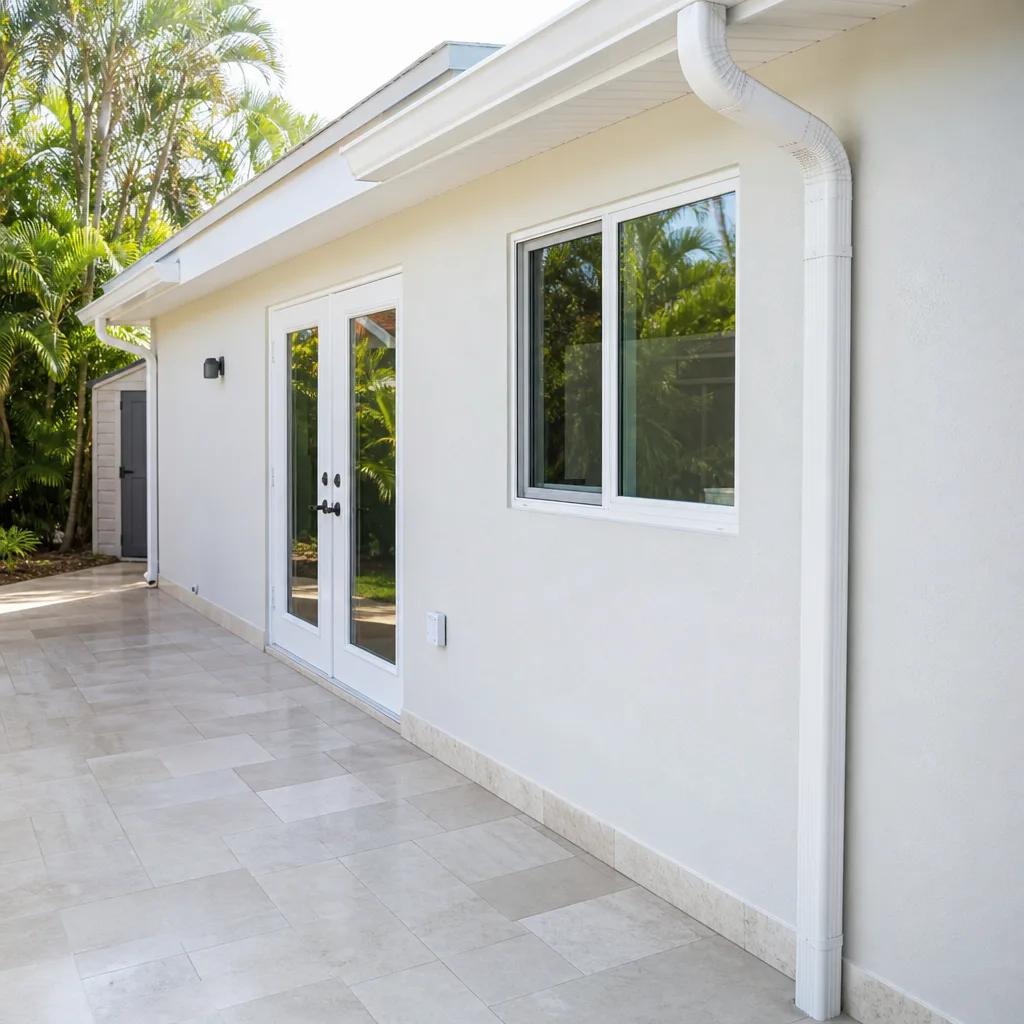
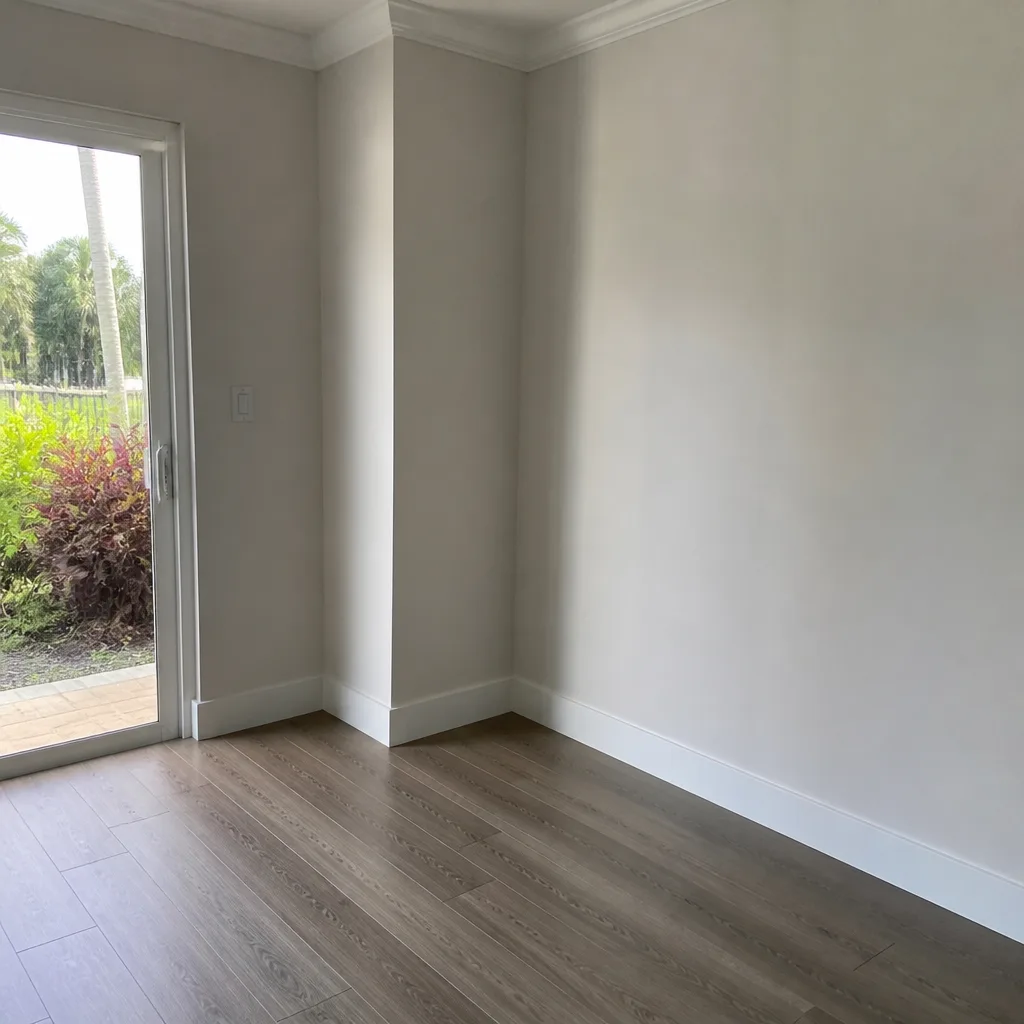
See the difference
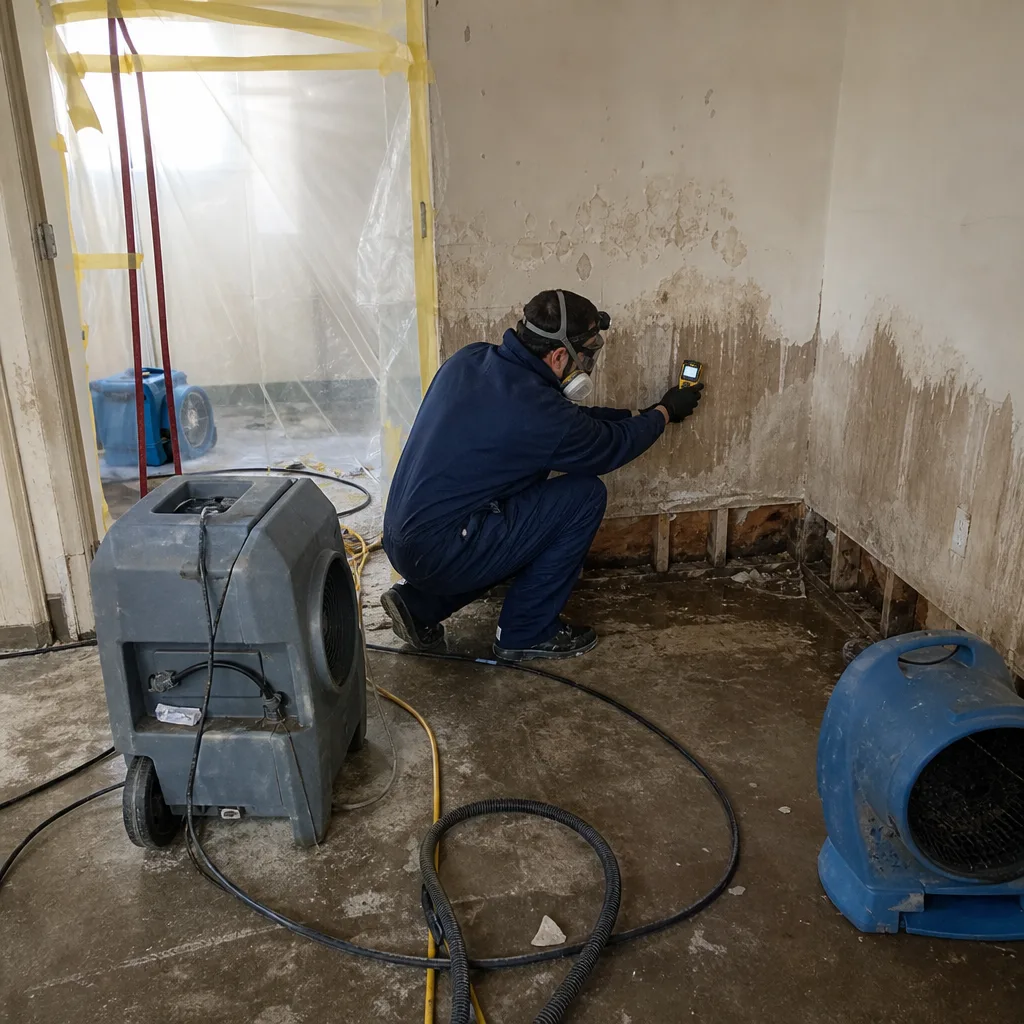 Before
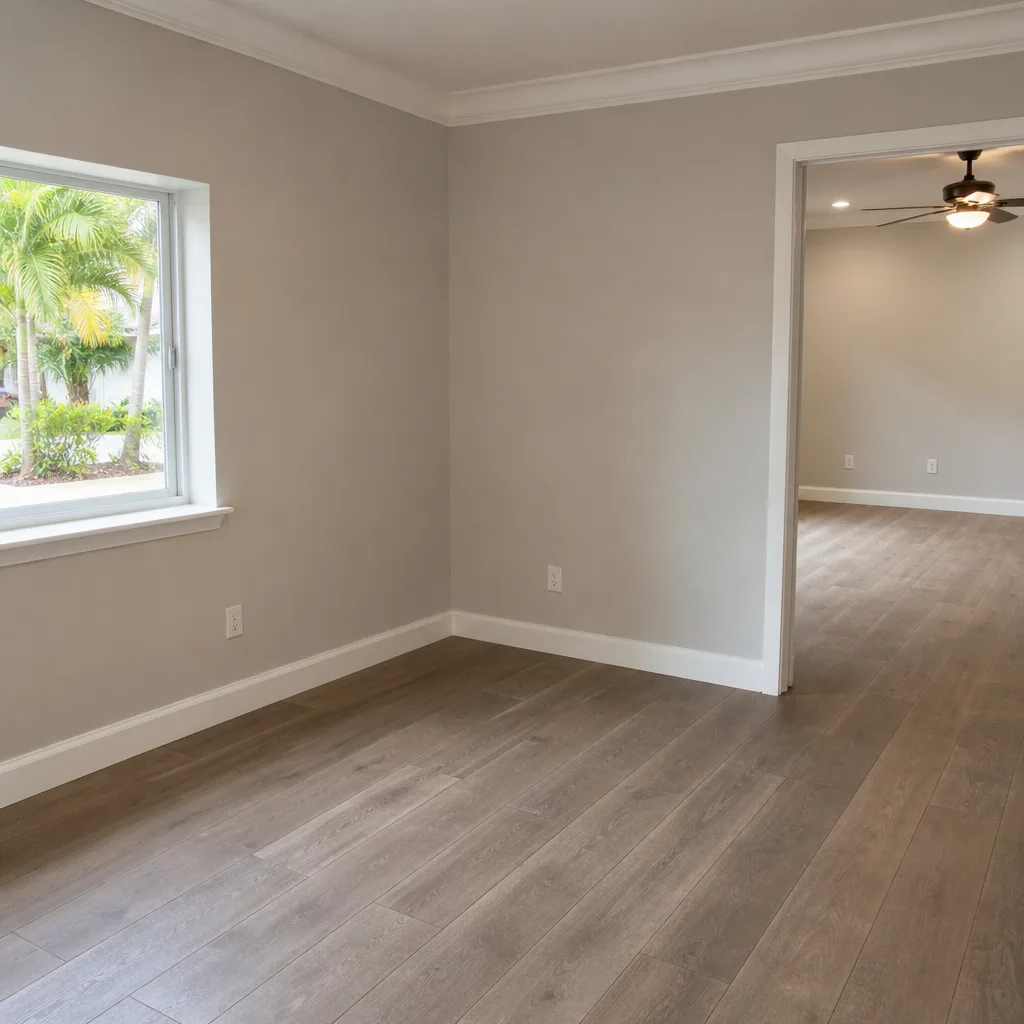 After
After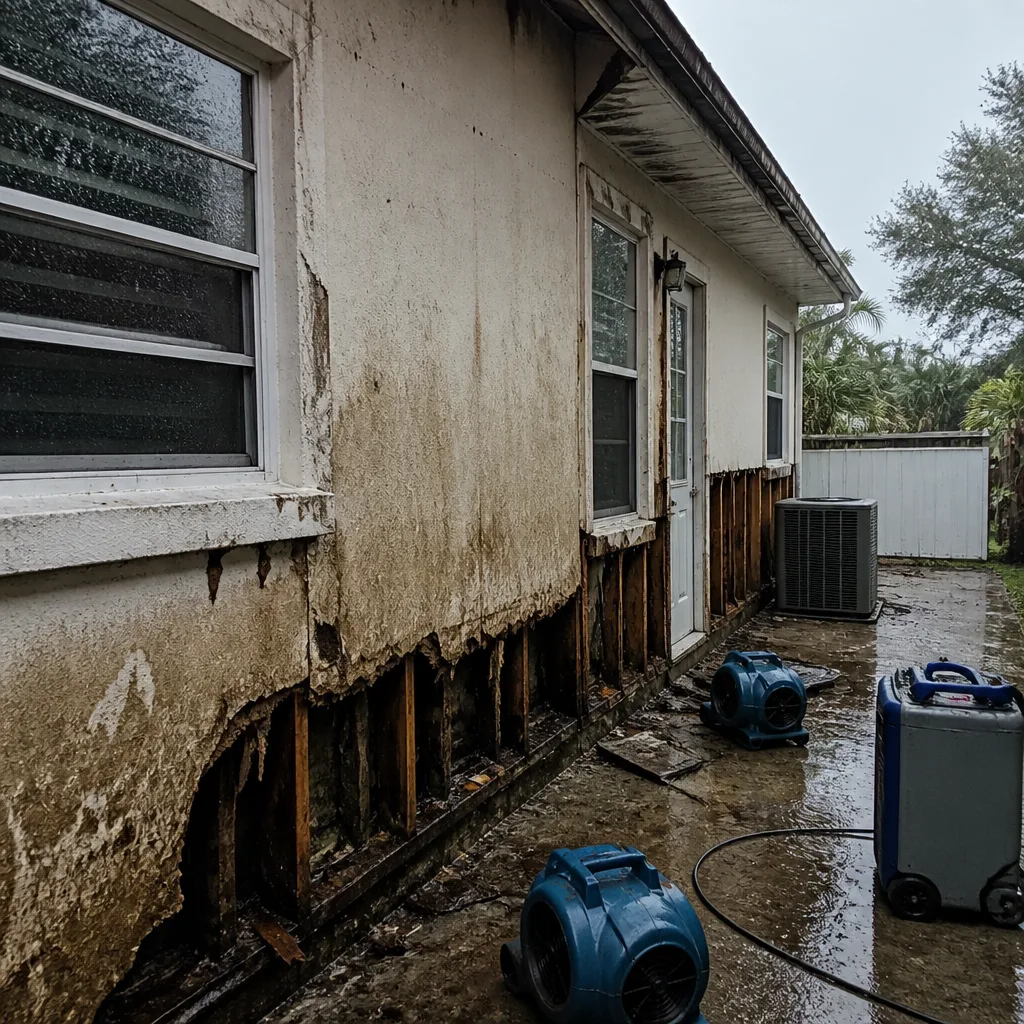 Before
 After
After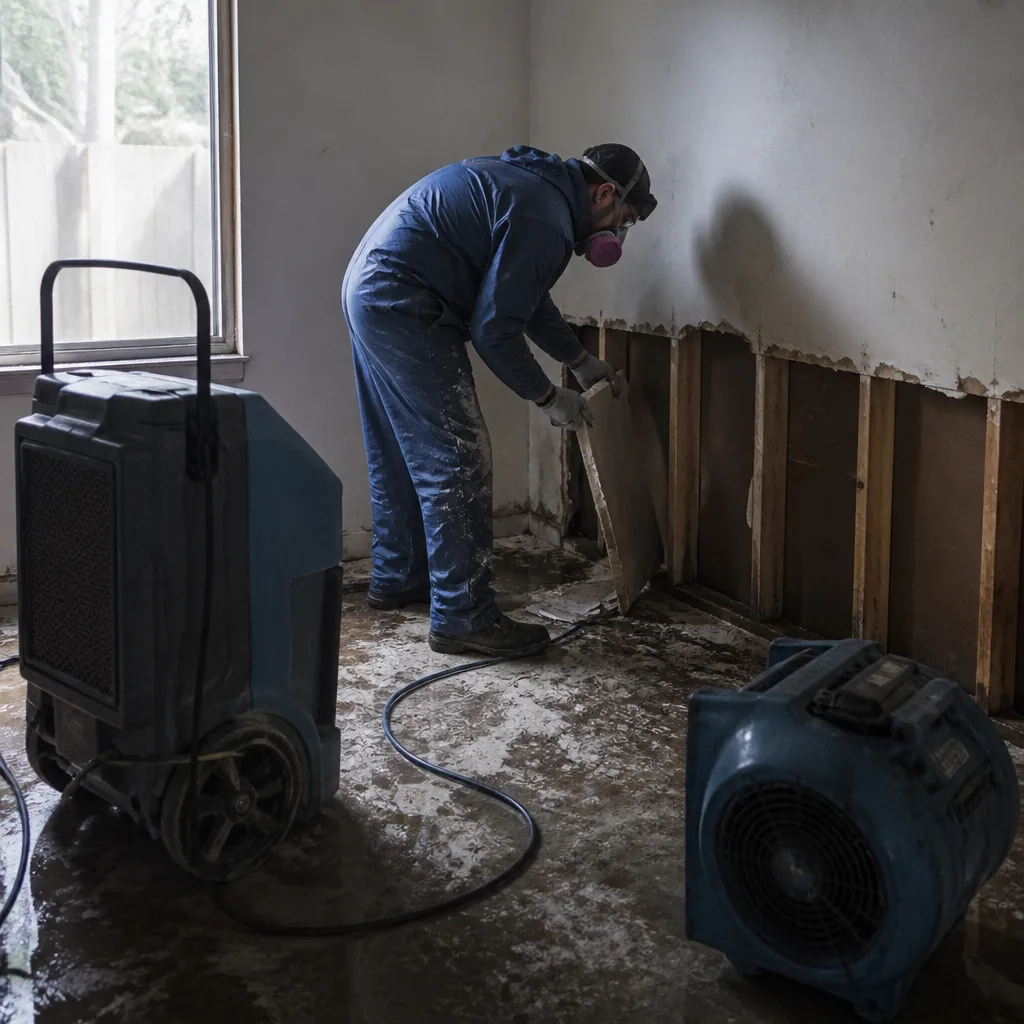 Before
 After
After