
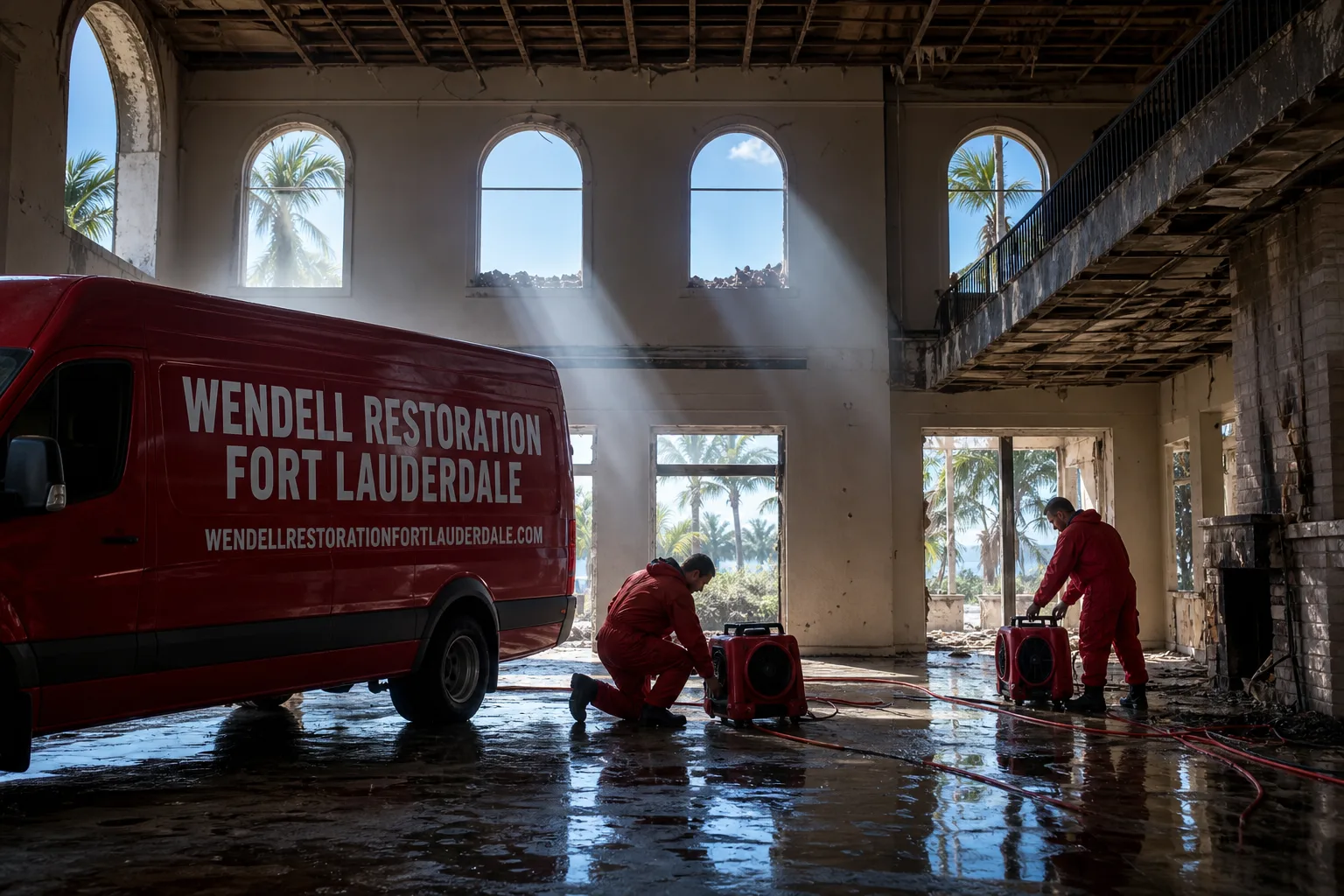
 Storm response
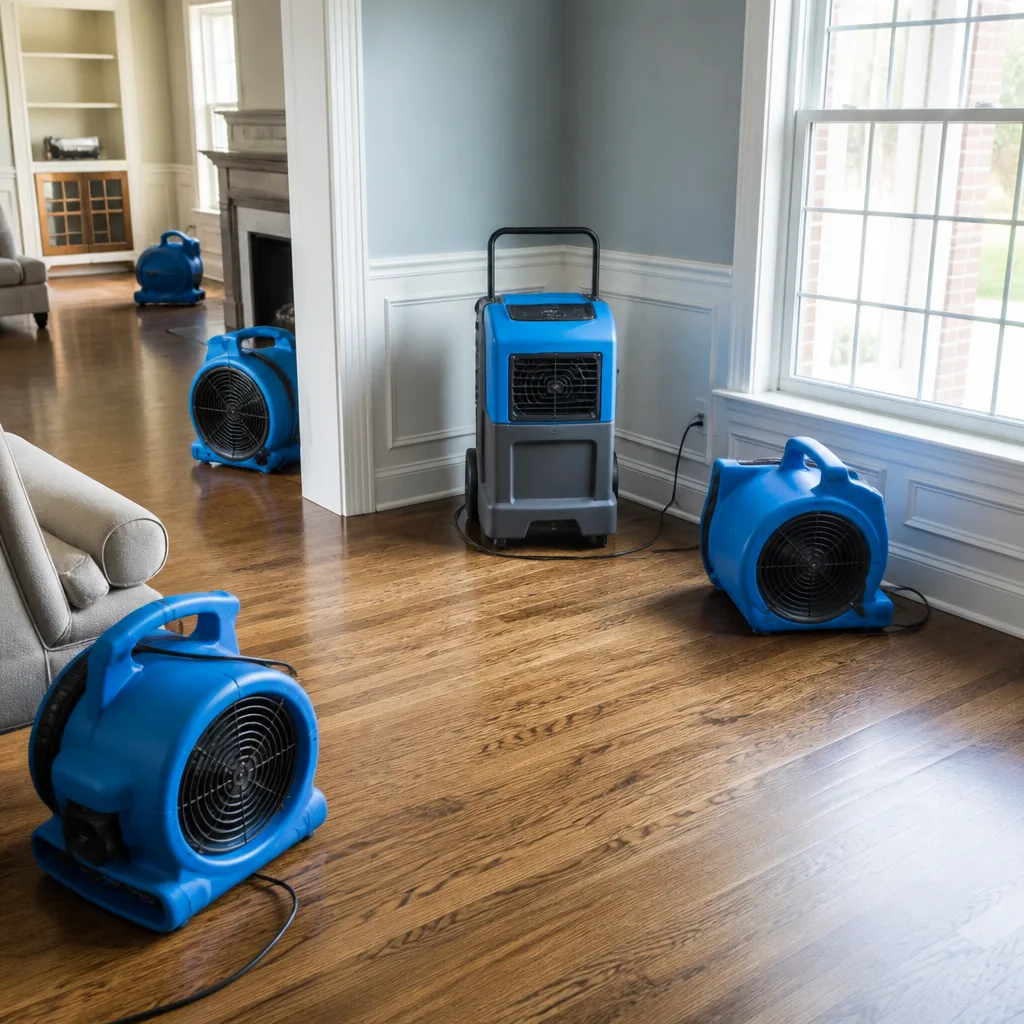 Water damage drying
 Fire & smoke cleanup
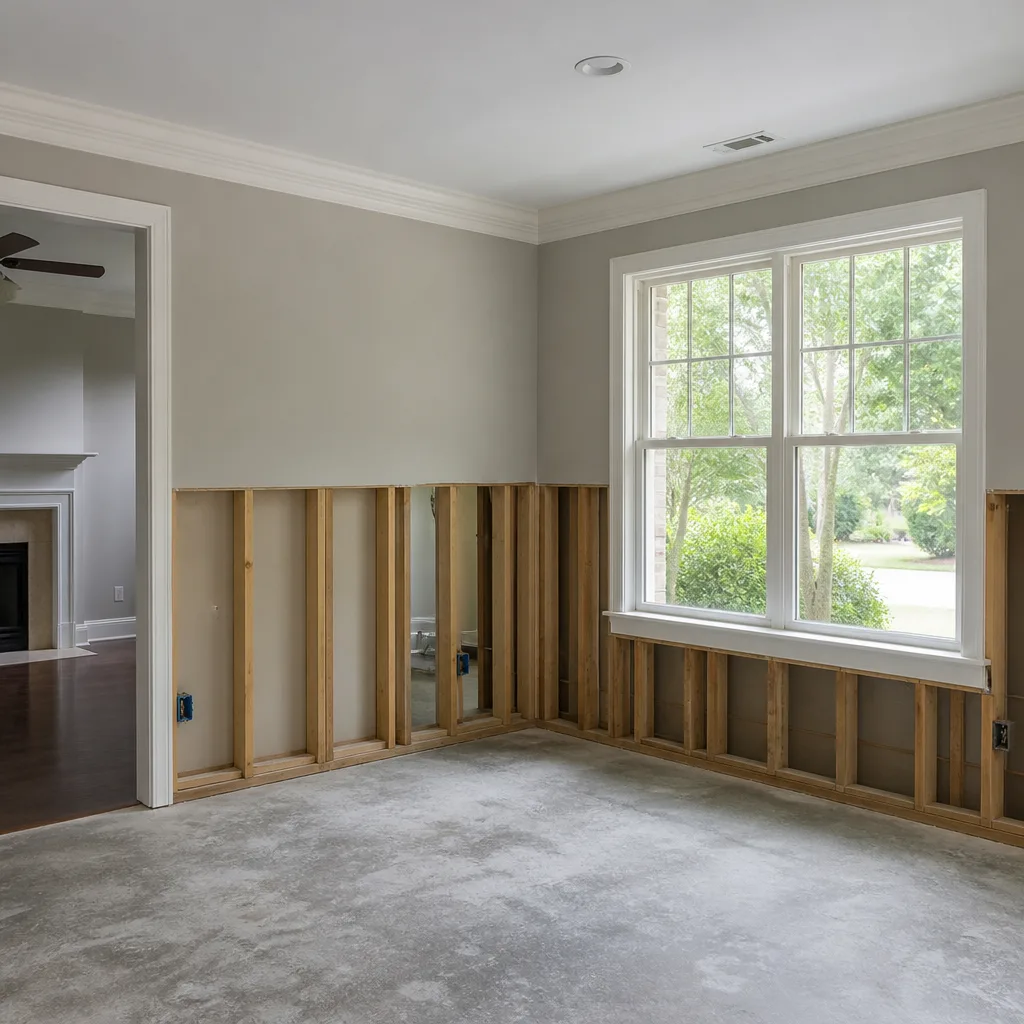 Mold remediation
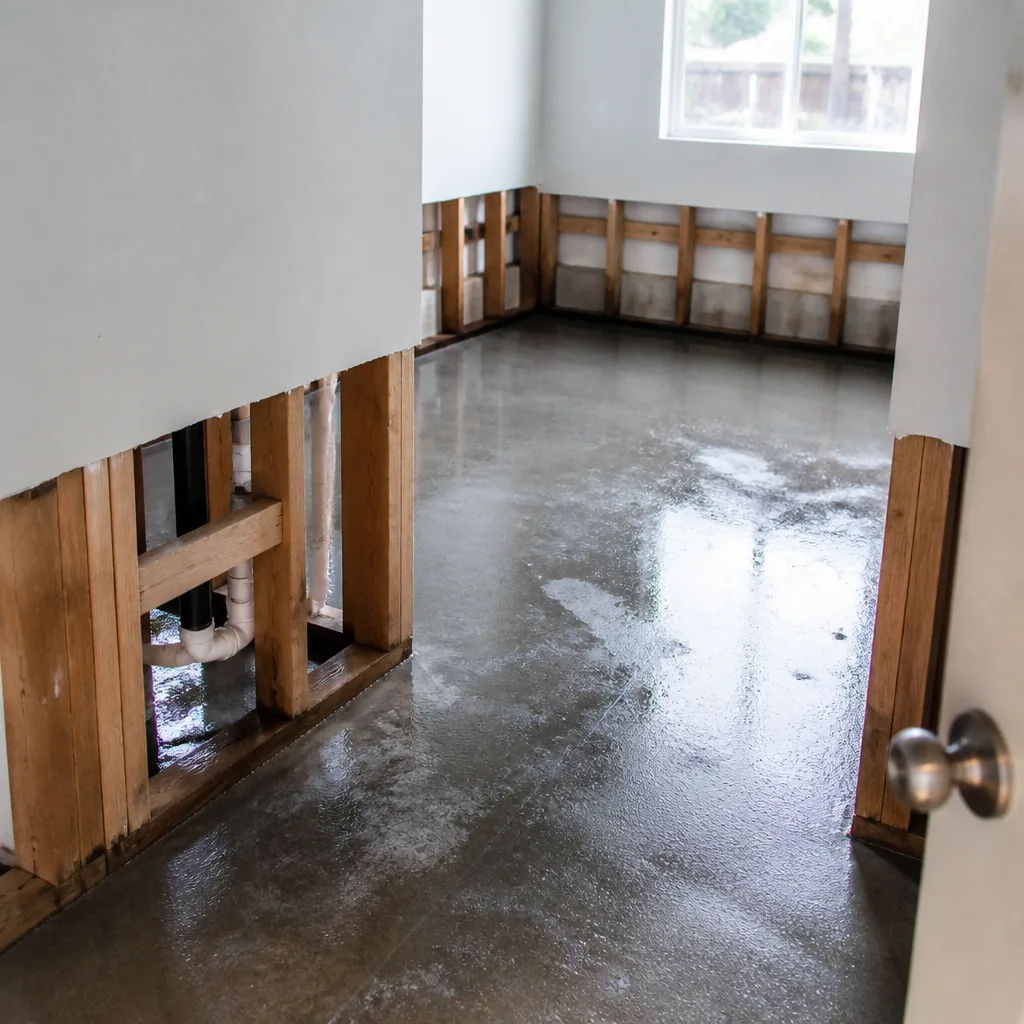 Sewage cleanup
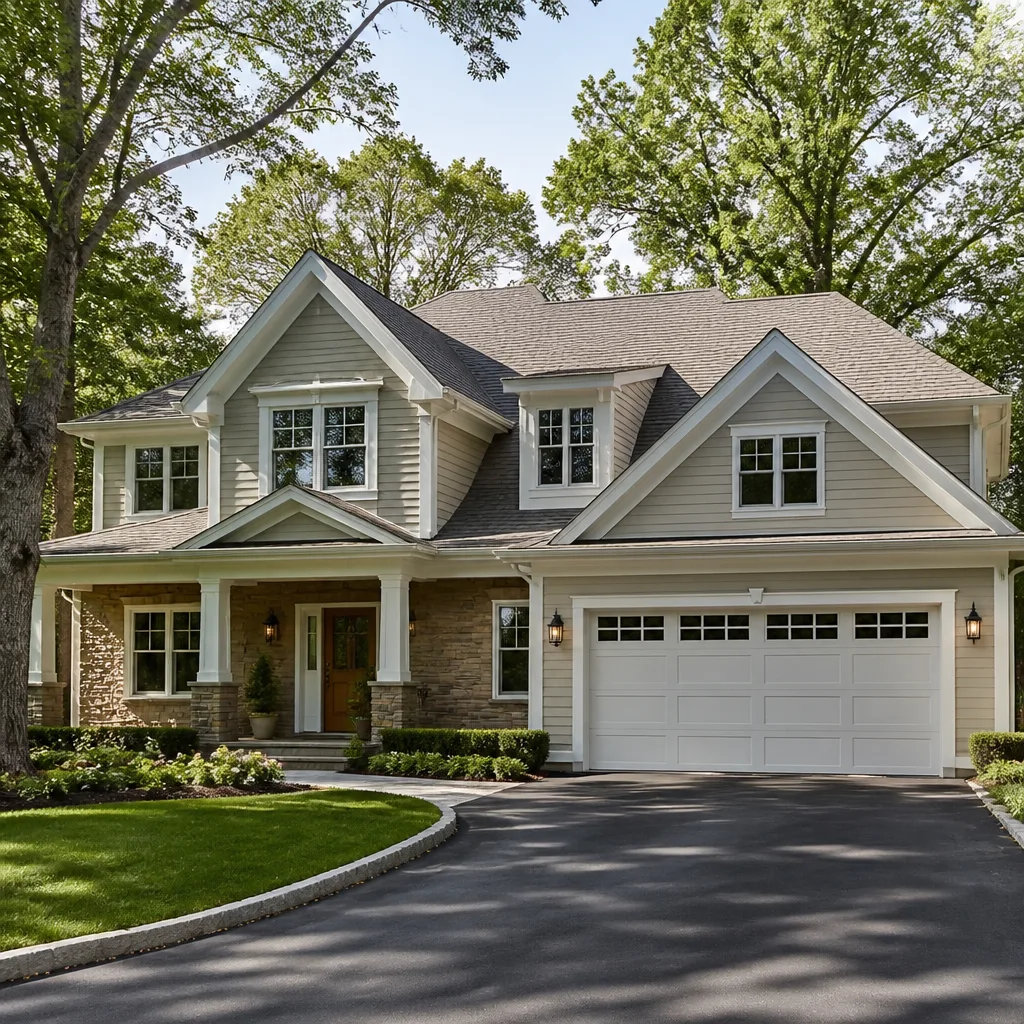 Reconstruction
Free visual inspection and a written scope of work before any mitigation begins - photos, moisture readings, and drying logs go in your claim file
The scope we write is the scope we bill. Anything new gets shown to you, in writing, before we touch it.
Get your free estimateRestoration work we handle
See the difference
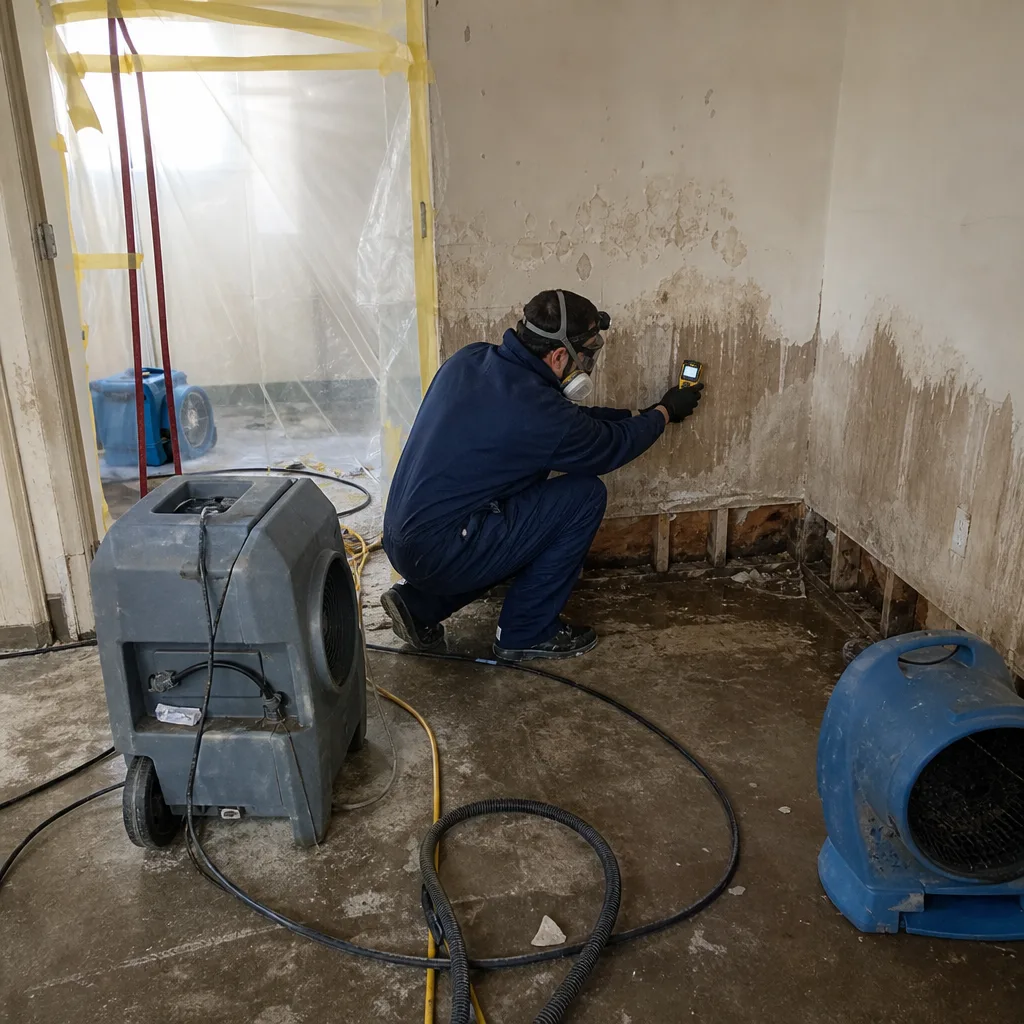 Before
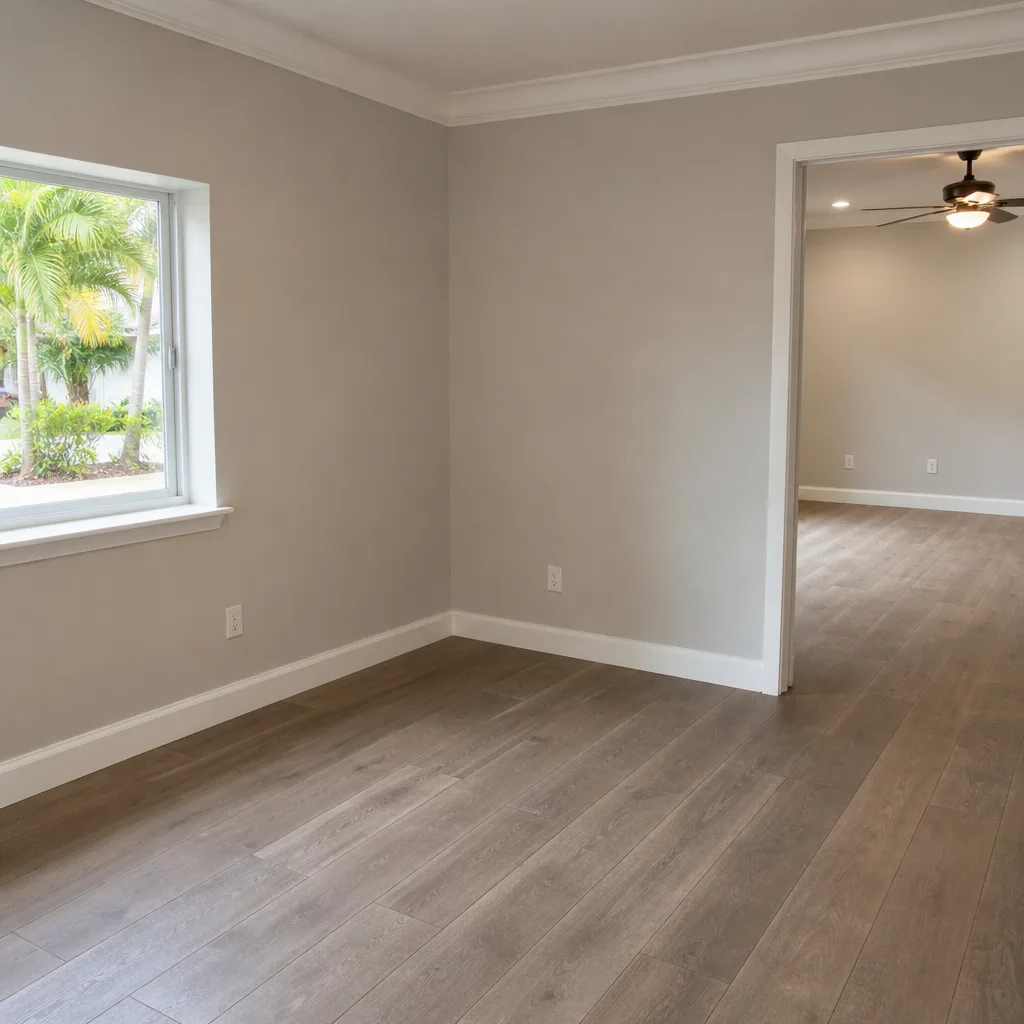 After
After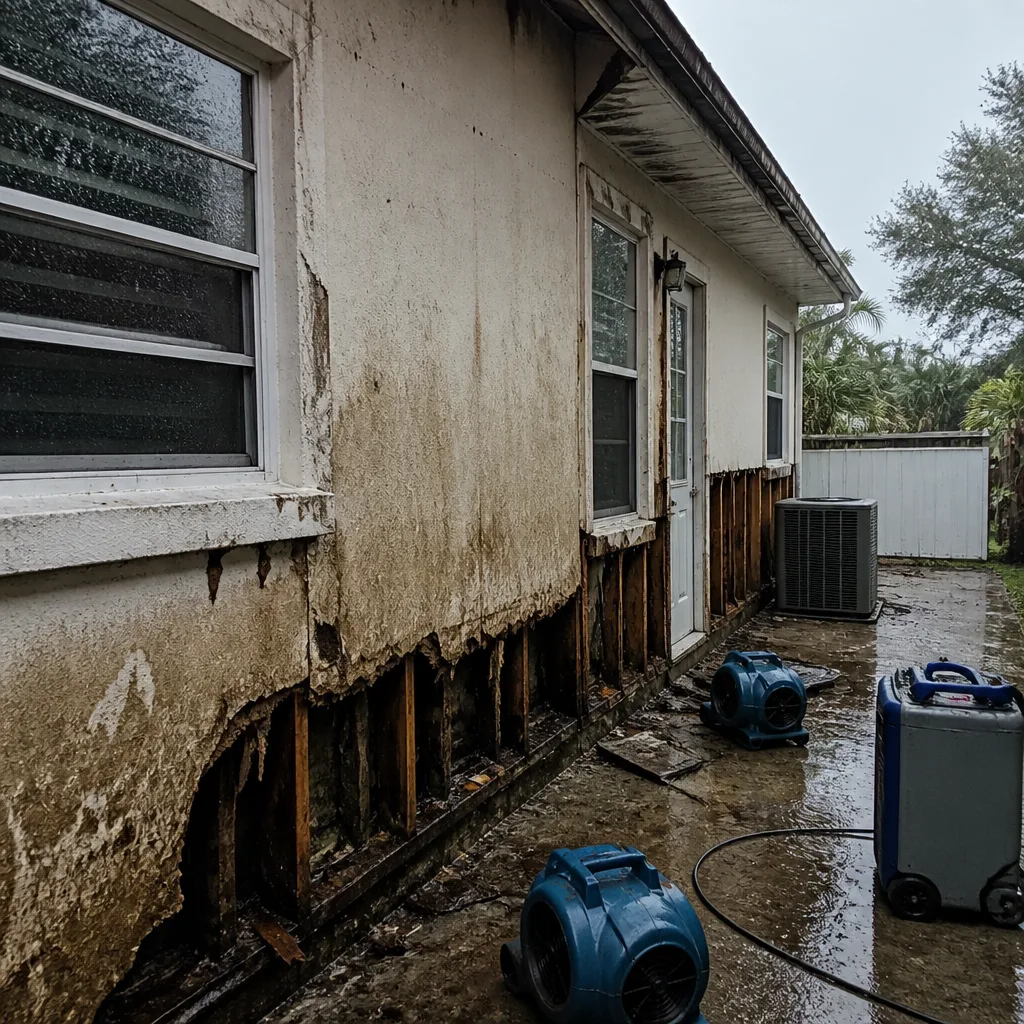 Before
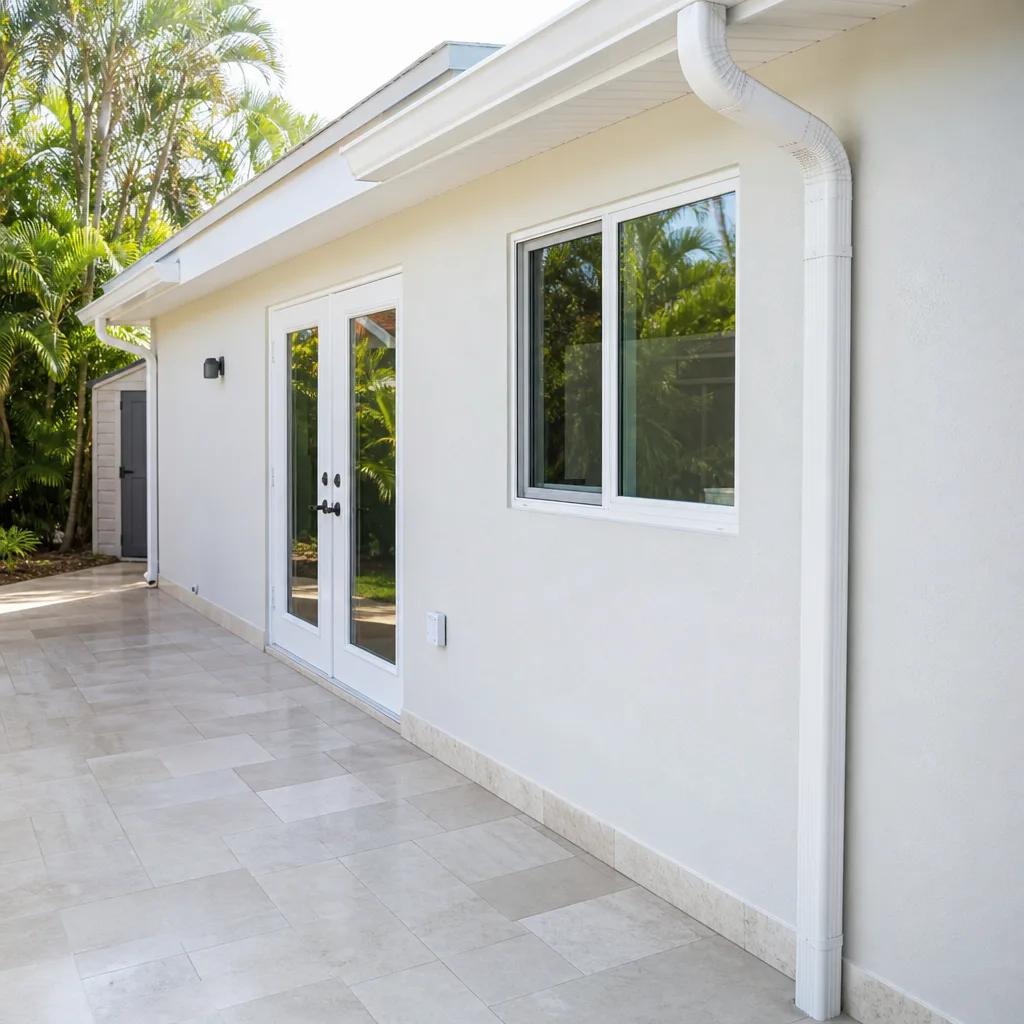 After
After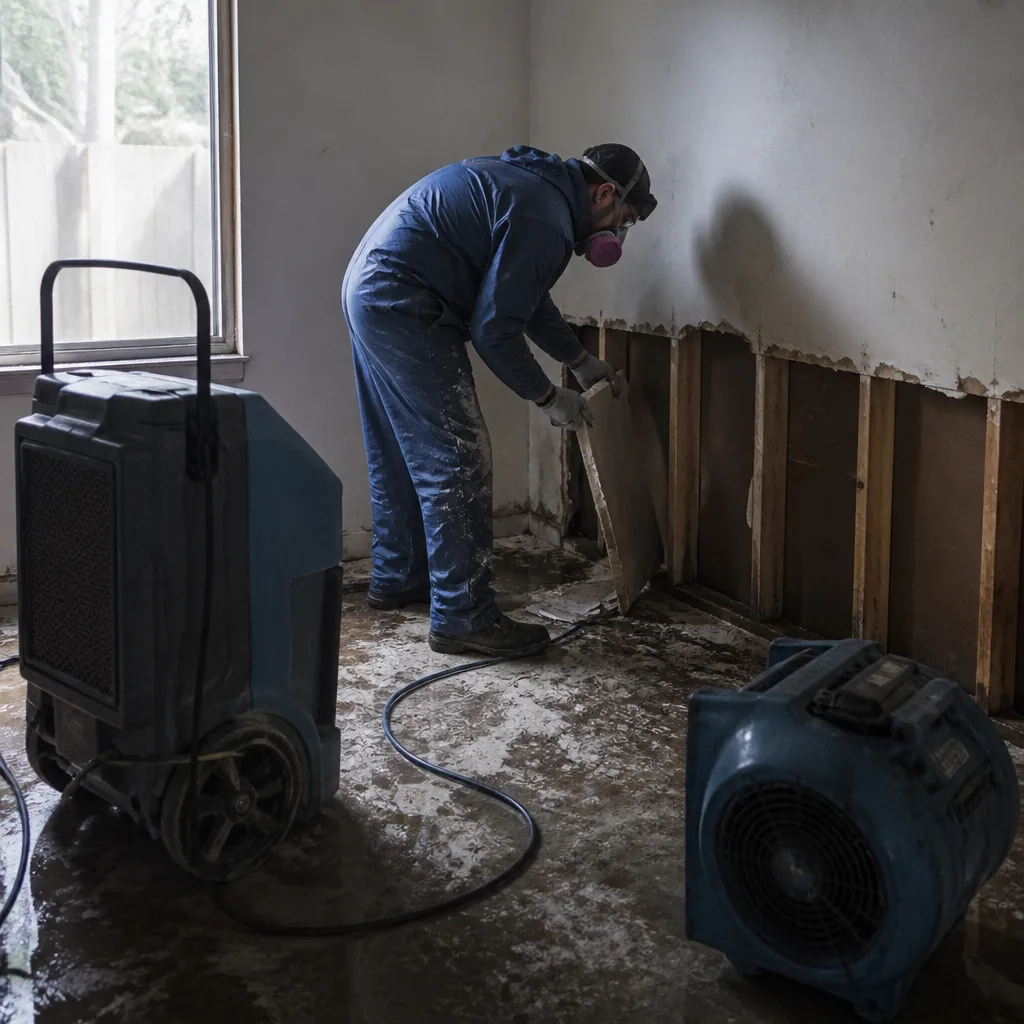 Before
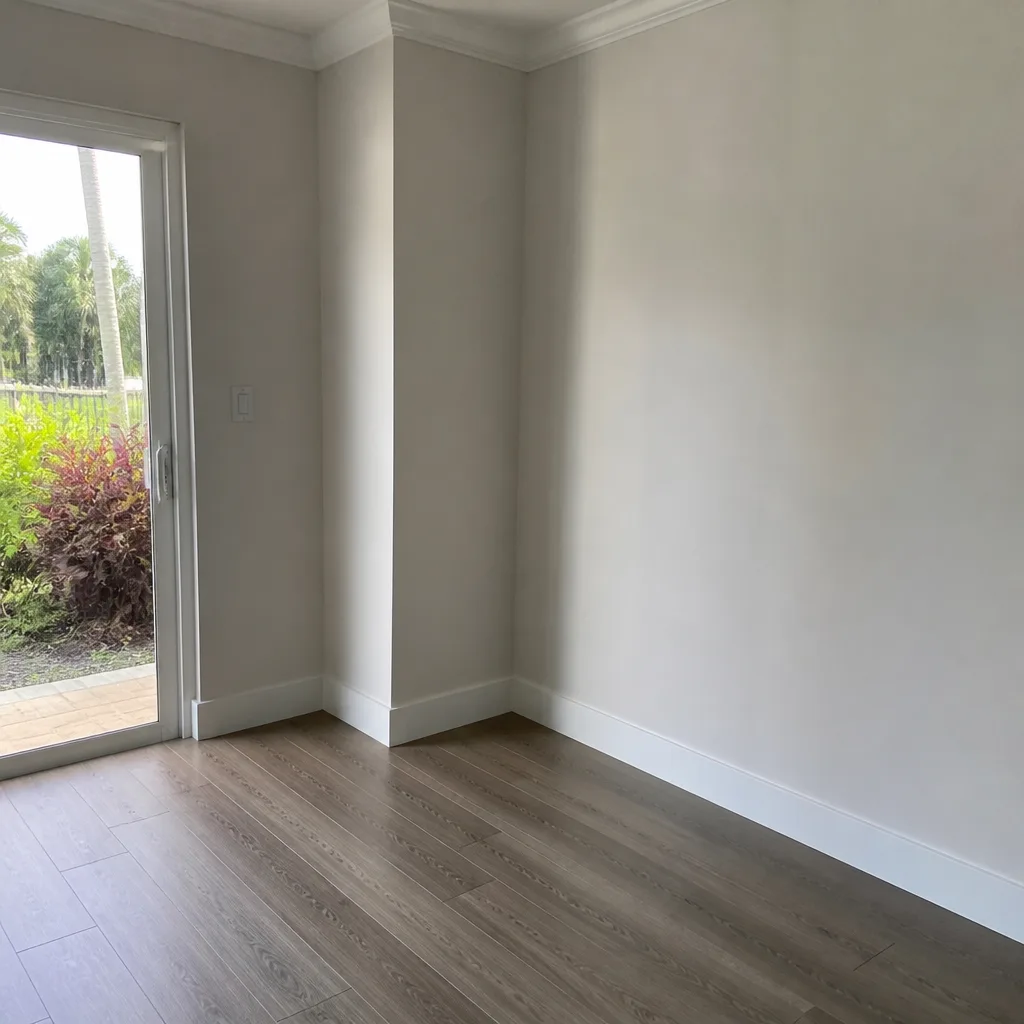 After
AfterHow Much Does Storm & Disaster Restoration Cost in Fort Lauderdale?
Storm and disaster restoration in Fort Lauderdale typically runs between $2,800 and $14,500 for most residential jobs in 2026, with water extraction and drying alone costing $1,200 to $6,000 depending on square footage and saturation levels. Full restoration that includes drywall replacement, flooring, and mold prevention commonly lands between $8,000 and $22,000 after a hurricane or major flooding event. At Wendell Restoration Fort Lauderdale, we put your price in writing before any work starts, so the number on your screen is the number you pay.
Blake Sorensen and our restoration crews have worked through every kind of storm damage Fort Lauderdale can throw at a house: Hurricane Ian’s rain bands, summer afternoon deluges that dump three inches in an hour, king tide flooding in Las Olas Isles, and the slow leak behind a wall that nobody finds until the baseboards start swelling. Our home restoration work covers water extraction, structural drying, mold remediation, and full repairs under IICRC, RIA, and IFA standards.
This guide breaks down real 2026 pricing for the Fort Lauderdale market, line by line, so you know exactly what a restoration job should cost before you call anyone.
Key Takeaways
- Small, contained water damage (single room, clean water): $1,200 to $3,500
- Storm flooding across multiple rooms: $4,500 to $12,000
- Full hurricane restoration (structure, drywall, flooring, mold prevention): $8,000 to $22,000+
- Mold remediation added to restoration: $1,800 to $7,000 extra depending on spread
- Wendell Restoration Fort Lauderdale gives you a written price before any work starts, a 365-Day Done Right Promise in writing on every job, and a free second visit if the repair fails.
Storm & Disaster Restoration Cost Breakdown (2026)
Here’s what homeowners in Fort Lauderdale actually pay for restoration work in 2026. These ranges come from jobs our crews have priced and completed across Broward County, from Coral Ridge to Victoria Park to the neighborhoods around Holiday Park.
| Service | Typical Cost Range (Fort Lauderdale, 2026) | What It Includes |
|---|---|---|
| Water extraction & pump-out | $800 – $2,800 | Standing water removal, truck-mounted extraction, initial sanitization |
| Structural drying (psychrometric) | $1,000 – $3,500 | Air movers, dehumidifiers, moisture mapping, daily monitoring |
| Drywall removal & replacement | $1,500 – $5,500 | Cutting flooded drywall 2+ feet above the water line, haul-away, re-hang, tape, texture |
| Flooring removal & replacement | $1,200 – $6,000 | Tile, laminate, hardwood, or carpet removal; subfloor drying; new material install |
| Mold remediation (post-storm) | $1,800 – $7,000 | Containment, HEPA filtration, antimicrobial treatment, damaged material removal |
| Roof tarping & leak mitigation | $500 – $1,800 | Emergency tarping, temporary sealing, leak barrier to stop further water entry |
| Full restoration (hurricane/major flood) | $8,000 – $22,000+ | Complete scope: extraction, drying, demolition, rebuild, mold prevention, finish work |
What Drives the Price Up or Down
Water class makes the biggest difference. A clean water leak from a burst supply line under a kitchen sink is Category 1 and often costs under $2,500 to dry. Storm surge or sewage backup is Category 3, which means antimicrobial treatment, more aggressive demolition, and a higher price, often $6,000 and up.
Square footage is the second driver. A 1,400-square-foot house in Poinsettia Heights will cost less to dry than a 3,200-square-foot two-story in Rio Vista simply because there’s more material to move air across. Our Dri-Eaz and Phoenix dehumidifiers can pull 30 to 60 pints of water per day per unit, but a larger footprint needs more units running longer.
Fort Lauderdale’s humidity is the silent cost multiplier. Our coastal air holds moisture at 70 to 80 percent relative humidity most of the year, which means drying takes longer than the same job would in a drier city like Phoenix or Denver. Psychrometric drying, which is the practice of tracking air moisture levels and vapor pressure in real time so we know when your walls are truly dry rather than just surface-dry, matters more here than almost anywhere else in the country. We use this method on every job, and it’s why we set expectations about drying time up front.
Finally, what got damaged matters. Salt water from storm surge corrodes wiring and fixtures faster than fresh water. If salt water touched your electrical outlets, the wiring behind that drywall may need replacement, and that adds real cost. Same with cabinetry: solid wood cabinets in a Coral Ridge kitchen can sometimes be saved if we get to them within 48 hours; particle board cabinets almost always get replaced.
If you want a full picture of what our Storm & Disaster Restoration in Fort Lauderdale service covers, take a look at our complete service page.
What Affects Storm & Disaster Restoration Pricing in Fort Lauderdale
Six factors determine almost every quote we write. None of them are mysterious, and we’ll walk you through each one when we walk your property.
- Water category (how contaminated the water is). Clean water from a burst pipe is cheapest to handle. Gray water from a washing machine overflow costs more because it needs sanitizing. Black water from storm surge, sewage, or canal flooding is the most expensive because it requires full PPE, antimicrobial treatment, and more demolition. In Fort Lauderdale, storm surge zones along the Intracoastal and New River see black water more often than people realize.
- Hours the water has been sitting. Water that’s been standing for 48 hours has already started wicking up drywall and getting into subflooring. Water that’s been standing for a week has almost certainly bred mold. The faster you call, the lower your final bill. A job we start the same day is almost always cheaper than the same job started three days later.
- Moisture migration and hidden damage. Water travels horizontally and vertically through building materials. A leak in a second-floor bathroom will find its way to the first-floor ceiling, then into the walls below. We use moisture meters and thermal imaging to find water that hasn’t shown itself yet. What we find determines the demolition scope, and demolition scope drives cost.
- Structural materials involved. Fort Lauderdale homes built before the 1990s often have plaster walls instead of drywall, and plaster is slower to dry and more expensive to repair. Tile floors over concrete slabs, common in Florida ranch houses, hold less water than engineered hardwood. What your home is made of changes the number.
- Mold presence or risk. In Fort Lauderdale’s heat and humidity, mold can begin in 24 to 48 hours after water intrusion. If mold is already present when we start, remediation protocols kick in: containment barriers, negative air pressure, HEPA air scrubbers, and antimicrobial treatments. That’s a separate line item, and it’s one you don’t want to skip.
- Roof and structural access. After a hurricane, the restoration scope often starts at the top. If your roof is compromised and water is still entering the home during a rain, the drying portion of the job can’t fully begin until the roof is tarped or sealed. Access difficulty, like working in a tight attic in a 1950s Coral Ridge home, also adds labor hours.
If any of this sounds like your situation right now, call us at (754) 354-1463. A live person answers 24/7. We’ll ask a few questions, give you a ballpark on the phone, and schedule a tech with a live arrival time you can track, not a vague four-hour window.
Storm & Disaster Restoration Timeline: What Actually Happens
Here’s the step-by-step process we follow on every storm restoration job in Fort Lauderdale. Knowing the sequence helps you understand what you’re paying for at each stage.
- Initial call and assessment (free). You call (754) 354-1463. A live person answers, day or night. We ask about the water source, how long it’s been, what rooms are affected, and whether you’ve already contacted your insurance. From there we give you a ballpark range on the phone before any tech ever rolls a truck.
- On-site inspection and moisture mapping. A background-checked, uniformed technician arrives at the time we said they would. They use thermal imaging cameras and moisture meters to find all affected areas, including what you can’t see. This is where we write the scope and give you a written price. The number is fixed before any work starts.
- Water extraction. We deploy truck-mounted or portable extraction units from XPOWER and B-Air to pull standing water out. In a typical 2,000-square-foot home with several inches of water, extraction takes 4 to 8 hours.
- Demolition of unsalvageable materials. Flooded drywall, insulation, carpet padding, and sometimes flooring gets cut and hauled out. We cut drywall two feet above the water line plus any area showing moisture wicking. This is the loud, dusty phase, and it’s also the phase that prevents mold.
- Structural drying. This is where psychrometric drying comes in. We position Dri-Eaz dehumidifiers and high-velocity air movers based on a drying chamber calculation, then monitor vapor pressure and moisture content daily. Most Fort Lauderdale homes dry in 3 to 7 days, though our humidity can stretch that window.
- Antimicrobial treatment and mold prevention. Every affected surface gets treated to prevent mold from taking hold. In storm situations where water was contaminated, this step is non-negotiable. We use IICRC protocol and document everything with photo updates sent to your phone.
- Rebuild and finish work. New drywall goes in, tape and texture, paint, flooring, trim. This is the phase where your house starts looking like a house again. We send before-and-after photos by text at each milestone.
- Final walkthrough and documentation. You review the work with the tech, get your written 365-Day Done Right Promise, and pay from a digital invoice we text to you. The number on the invoice is the number you’ve known about since step two.
How to Save on Storm & Disaster Restoration
Saving money on restoration isn’t about finding the cheapest bid. It’s about acting fast, knowing what you’re paying for, and not letting a small problem become a big one. Here’s what actually works.
Call the same day you notice water. Every hour water sits, it wicks further up walls and deeper into materials. A job that costs $2,000 on day one can become a $12,000 job by day four. This is the single biggest money saver in restoration.
Document everything for your insurance company before anyone touches anything. Take photos and video of standing water, damaged materials, and wet areas before extraction begins. The more documentation you have, the smoother your claim goes, and the smoother the claim, the less likely you’ll be stuck fighting for coverage.
Don’t run a DIY dehumidifier and wait. Home dehumidifiers pull a couple pints a day. Our Dri-Eaz units pull 30 to 60 pints per day. The DIY route rarely saves money because the water keeps spreading while a residential unit chips away at the air. You end up paying for more demolition and a longer drying cycle later.
Ask for a written price, and walk away from anyone who won’t give one. Some restoration companies in South Florida still work on vague time-and-materials estimates that balloon after the walls come down. We put the price in writing before work starts, and it doesn’t change unless the scope changes and you approve that change in writing first.
Get a free estimate. Our estimates are free and come with a phone ballpark before we even arrive. Call (754) 354-1463 and we’ll give you honest numbers.
Fort Lauderdale Neighborhood Costs: What to Expect Where You Live
Pricing doesn’t vary dramatically by zip code the way it might for real estate, but the type of housing stock in different Fort Lauderdale neighborhoods does affect restoration cost per square foot.
In Victoria Park and Poinsettia Heights, where mid-century ranch homes sit on concrete slabs, water extraction is straightforward and drying goes faster because there’s no crawlspace humidity to fight. Expect to land on the lower end of ranges.
In Rio Vista and Las Olas Isles, larger two-story homes with hardwood floors and custom millwork mean higher replacement costs and more labor hours. A flooded first floor in Rio Vista routinely pushes into the $15,000 to $25,000 range because the finish materials themselves are more expensive to replace.
In Coral Ridge and Imperial Point, homes built in the 1950s and 1960s often have plaster walls, which dry slower and cost more to repair than modern drywall. Plan for a slightly higher drying and repair budget per square foot.
In Riverland Village and Melrose Park, where many homes sit closer to the water table, we regularly see groundwater intrusion during king tides and heavy rain events. Sub-slab water intrusion is a different animal from surface flooding and requires specialized drying approaches that add $1,500 to $4,000 to a job.
Insurance and Storm Restoration in Fort Lauderdale
Most storm damage is covered by standard Florida homeowner’s insurance policies, but Fort Lauderdale homeowners face two specific complications: hurricane deductibles and the flood insurance gap.
Your hurricane deductible is typically a percentage of your dwelling coverage, commonly 2 to 5 percent. On a $400,000 home, a 2 percent hurricane deductible is $8,000. That money comes out of your pocket before insurance pays a dollar. If your restoration scope is $15,000, you’re covering more than half of it yourself.
Flood damage from rising water, storm surge, or king tide flooding is not covered by standard homeowner’s insurance. If you have a separate flood policy through FEMA’s National Flood Insurance Program or a private carrier, that policy handles the water damage portion. If you don’t have flood insurance and your damage came from rising water rather than wind-driven rain, you’re paying out of pocket. We see this every year in Fort Lauderdale, especially in the neighborhoods east of Federal Highway.
We work directly with insurance adjusters on almost every storm job. We document everything, provide line-item scoping, and send you the same photo updates your adjuster receives. The written price we give you is what your adjuster needs to see, and we’ve found that clear documentation speeds up claim approvals significantly.
For more detail on what storm restoration covers, visit our Storm & Disaster Restoration in Fort Lauderdale page.
FAQs – Storm & Disaster Restoration Cost
How much does water damage restoration cost in Fort Lauderdale?
Water damage restoration in Fort Lauderdale typically costs between $1,200 and $6,000 for a contained incident like a burst pipe or appliance overflow. Larger storm flooding across multiple rooms runs $4,500 to $12,000. A full hurricane restoration with rebuild work is $8,000 to $22,000+. Call (754) 354-1463 for an exact quote. Estimates are free, and we give you a written price before any work starts.
Is it cheaper to repair or replace water-damaged drywall?
Replacing water-damaged drywall costs $1,500 to $5,500 in Fort Lauderdale for a typical affected room, and replacement is almost always the right call over repair. Once drywall has soaked up water, it loses structural integrity and becomes a mold risk. Patching and painting over water-damaged drywall usually fails within a year in our humidity. The honest answer: drywall gets replaced, not repaired, and that’s the cheaper option in the long run.
How much does mold remediation cost after storm damage?
Mold remediation after storm or flood damage in Fort Lauderdale costs $1,800 to $7,000 depending on how far the mold has spread and what materials are affected. A contained bathroom remediation is on the low end. Mold behind walls across multiple rooms with containment and HEPA air scrubbing is on the high end. If you suspect mold, call (754) 354-1463. We’ll tell you what we think over the phone and schedule an inspection.
Can you come out today for storm damage?
Yes. Wendell Restoration Fort Lauderdale operates 24/7, and a live person answers every call. We can typically get a technician to your Fort Lauderdale home within 90 minutes to 3 hours of your call, depending on where our crews are working. You’ll get a live arrival time you can track, not a four-hour window. Call (754) 354-1463 and we’ll get moving.
How much does emergency roof tarping cost after a hurricane?
Emergency roof tarping in Fort Lauderdale costs $500 to $1,800 depending on roof size, pitch, and accessibility. Tarping is a temporary fix to stop water from entering your home while permanent roof repairs are scheduled. It’s almost always worth doing immediately because it stops additional water damage that would multiply your restoration cost. Call (754) 354-1463 and we’ll quote tarping by phone.
Does homeowners insurance cover storm restoration?
Wind-driven rain damage, burst pipes, and appliance overflows are typically covered by standard Florida homeowners insurance, minus your deductible. Flood damage from rising water or storm surge is generally not covered unless you have a separate flood policy. Your hurricane deductible, usually 2 to 5 percent of dwelling coverage, applies to named-storm damage. We work directly with adjusters and provide line-item documentation on every job. Call (754) 354-1463 and we’ll help you sort out what your policy covers.
Why Fort Lauderdale Homeowners Call Wendell First
Storm damage in Fort Lauderdale doesn’t wait for business hours, and neither do we. Founded in 2006 and part of the Relay Home Co. family, Wendell Restoration Fort Lauderdale is independently owned and operated to The Relay Visibility Guarantee, which means you always know who’s coming, when they’ll arrive, and exactly what it costs.
Every job we do includes three things in writing: a price before any work starts, a 365-Day Done Right Promise that covers every repair for a full year, and a free second visit if the repair fails. Not a verbal promise. Not a handshake. It’s written on your paperwork.
Our technicians are background-checked and uniformed. You get their live arrival time on your phone. You get before-and-after photo updates by text as the job progresses. When it’s done, we text you a digital invoice and you pay from the link. The number on the screen is the number you pay.
We use the same professional equipment and standards on residential jobs that large commercial restoration firms use: Dri-Eaz and Phoenix dehumidifiers, XPOWER and B-Air air movers, Injectidry systems for hard-to-reach cavities, all deployed under IICRC, RIA, and IFA standards.
Blake Sorensen and our Fort Lauderdale team have dried out homes from every kind of water event this city can produce: hurricane bands, slab leaks, sewage backups, AC condensation failures in attics, and groundwater intrusion during king tides. If it involves water in a Fort Lauderdale home, we’ve handled it, priced it, and put it behind someone.
Get Your Free Fort Lauderdale Storm Restoration Estimate
If you’re dealing with storm damage or water in your home right now, don’t wait. Call (754) 354-1463 and a live person will answer. We’ll ask a few questions, give you a ballpark over the phone, and schedule a technician with a trackable arrival time. Your estimate is free, and the price we quote in writing before work starts is the price you pay. That’s how we’ve done it since 2006, and it’s how we’ll do it for you.
Written by Blake Sorensen, Owner at Wendell Restoration Fort Lauderdale, serving Fort Lauderdale since 2006.
Pricing reflects the Fort Lauderdale market as of 2026. Wendell Restoration Fort Lauderdale offers free estimates – call (754) 354-1463.
What Our Customers Say
"Respectful crew, daily updates, and no surprises."
- Yasmin O."Solid job. Equipment pickup had a slight delay, but they texted."
- Jim L."Water damage repair to the baseboards and drywall was clean."
- Ted H.